•
•
•
•
•
•
•
•
•
•
•
•
•
•
•
•
•
•
•
•
•
•
•
•
•
•
•
•
•
•
•
•
•


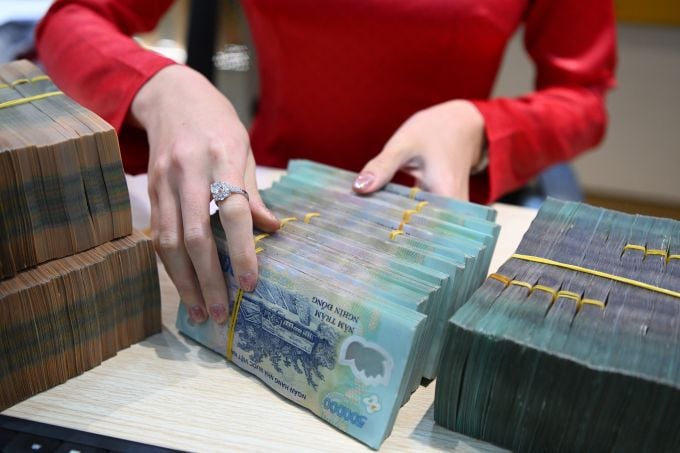
The Ministry of Finance is seeking public input on a proposal to raise the taxable turnover threshold for household businesses to 1 billion dong per year and, for the first time, introduce a tax-exemption threshold for small and medium-sized enterprises. The Personal Income Tax Law and VAT (amended) were approved by the National Assembly in the December 2025 session.
At a panel discussion on April 21, Prime Minister Le Minh Hung said the current 500 million dong threshold is no longer appropriate given the impact of fuel prices and regional dynamics on individuals, households, and SMEs. The Ministry of Finance is therefore revising the exemption threshold for individuals and households to 1 billion dong annually, doubling the current level. Under the proposal, this group would not pay personal income tax or VAT.
The Ministry of Finance said the 1 billion dong threshold is expected to benefit household businesses and SMEs and encourage households to convert to corporate forms. The ministry also noted that 1 billion dong is currently the threshold at which households and individuals must use electronic invoices connected to the tax authority.
According to the MOF, raising the exemption threshold is intended to align with the electronic invoicing requirement.
Tax authority data cited by the Ministry of Finance shows that about 2.56 million households and individuals have revenue under 1 billion dong. If the proposal is adopted, the state budget is expected to fall by:
The MOF said the higher threshold would support small-scale businesses facing higher input costs, particularly fuel and logistics, alongside weakening purchasing power. The ministry also said the policy aims to build a more rational and scientific tax system and reduce incentives to evade taxes.
In addition, the drafting agency argued that higher exemption thresholds would help household businesses maintain operations, build reserves to expand, and convert to enterprises—supporting longer-term revenue sources.
The draft also proposes, for the first time, a tax-exempt threshold of 1 billion dong per year for small enterprises. The MOF described this as a novelty compared with the current Enterprise Income Tax Law, which provides exemptions only related to timing or tax rates, without an exemption threshold for this group.
At present, the country has about 900,000 operating enterprises, of which small and micro enterprises account for about 94%. The MOF said this group is most affected by economic fluctuations due to limited capital and lower resilience.
The ministry added that many small enterprises are facing difficulties and require policy support as fuel and logistics costs rise. It also said tax exemption for small businesses would help ensure fairness by allowing taxpayers to choose appropriate business models, thereby encouraging household businesses to convert into professional enterprises with larger scale and improved governance.
The MOF said the policy also supports the goal of reaching 2 million enterprises by 2030 under Politburo Resolution 68. If applied, the estimated tax exemption for corporate income would be about 2,164 billion dong, benefiting about 235,800 enterprises.





Premium gym chains are entering a “golden era” that is ending or already in decline, as rising operating costs collide with shifting consumer preferences toward more flexible, community-based ways to exercise. Long-term memberships are shrinking, margins are pressured by higher rents and facility expenses, and competition from smaller, more personalized…