•
•
•
•
•
•
•
•
•
•
•
•
•
•
•
•
•
•
•
•
•
•
•
•
•
•
•
•
•
•
•
•
•


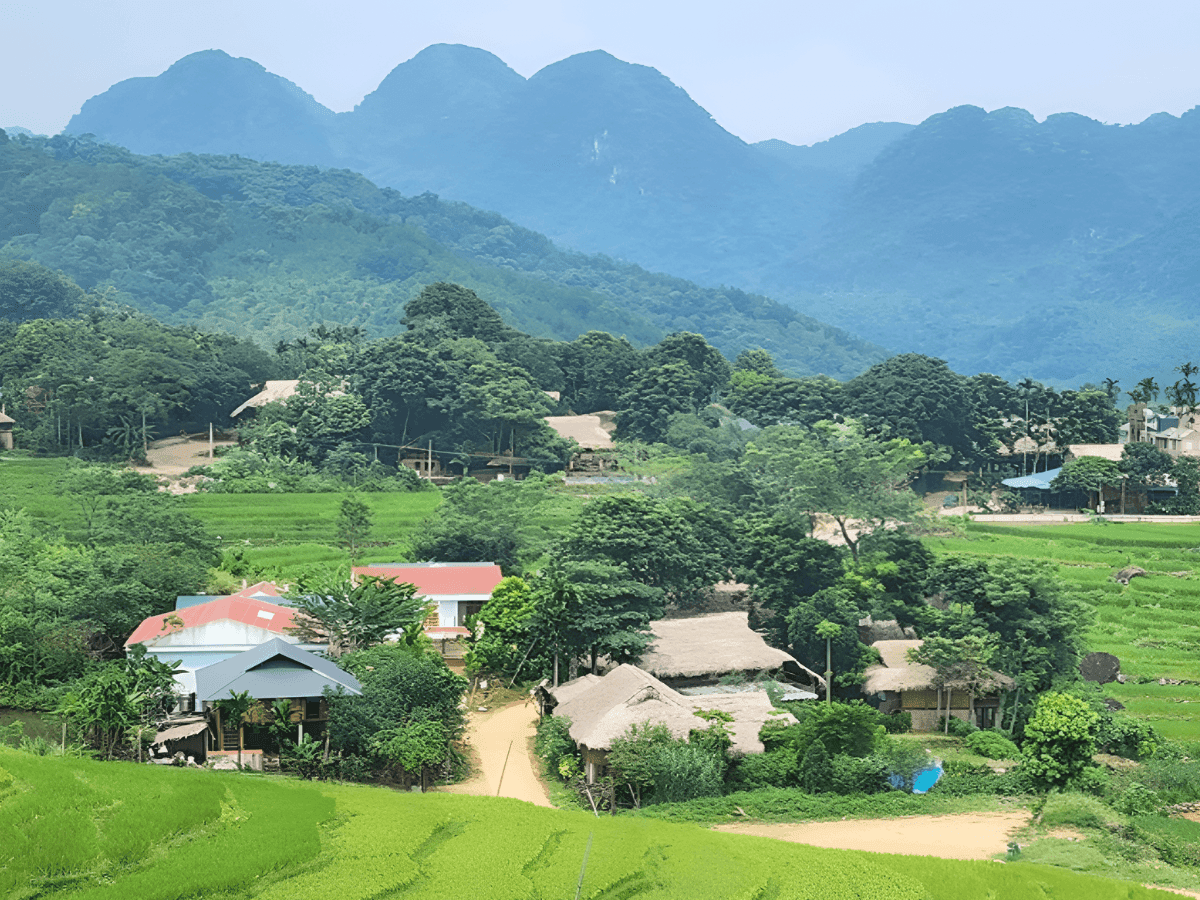
Thanh Hóa Provincial People’s Committee has approved a plan to develop eco-tourism, leisure and entertainment activities within Pu Hu Nature Reserve, covering a total planned area of 156.28 hectares across three tourist sites. The plan sets out targets for visitor numbers, revenue, investment structure and implementation through 2030 and 2035, while requiring strict protection of biodiversity.
The approved plan allocates 7.81 hectares (about 5%) for infrastructure, with the remainder designated as forest land for tourism activities.
By 2030, the plan targets 10,000 visitors per year, including 20% international visitors. Annual revenue is set at 11 billion VND. The plan also calls for at least two investors, around 200 trained tourism workers, and 10 community lodging facilities.
By 2035, the targets increase to 30,000 visitors per year, with 30% international visitors. Annual revenue is projected at 60 billion VND. The plan aims to complete 30 high-quality community accommodations and 3 eco-resorts, and to work toward 80% self-financing of forest protection activities.
The total project cost is 598,253 million VND. Funding is structured as follows: 37.5% from the state budget (224.353 million VND), 56.56% from private/public funding (338.400 million VND), and 5.93% from other lawful sources.
Investment is phased into two periods: 256,022 million VND (42.79%) for 2026–2030, and 342,231 million VND (57.21%) for 2031–2035.
For 2026–2030, priority projects include:
These priority items total about 171 billion VND.
The plan also allocates funds for workforce training (5.1 billion VND), brand promotion (28.2 billion VND) and operation/monitoring (15 billion VND).
The plan sets out strict development principles, including:
Tourism activities will be organized through three forms: self-organization at the Tourism Information Center, Environment Education Center and eco-lodges; collaboration with travel operators; and leasing forest environments.
For leasing, the rent must be no less than 1% of the lessee’s annual revenue, for up to 30 years, with five-year reviews.
The Pu Hu Nature Reserve Management Board is responsible for monitoring all activities to balance tourism development with biodiversity conservation.





Premium gym chains are entering a “golden era” that is ending or already in decline, as rising operating costs collide with shifting consumer preferences toward more flexible, community-based ways to exercise. Long-term memberships are shrinking, margins are pressured by higher rents and facility expenses, and competition from smaller, more personalized…




