•
•
•
•
•
•
•
•
•
•
•
•
•
•
•
•
•
•
•
•
•
•
•
•
•
•
•
•
•
•
•
•
•


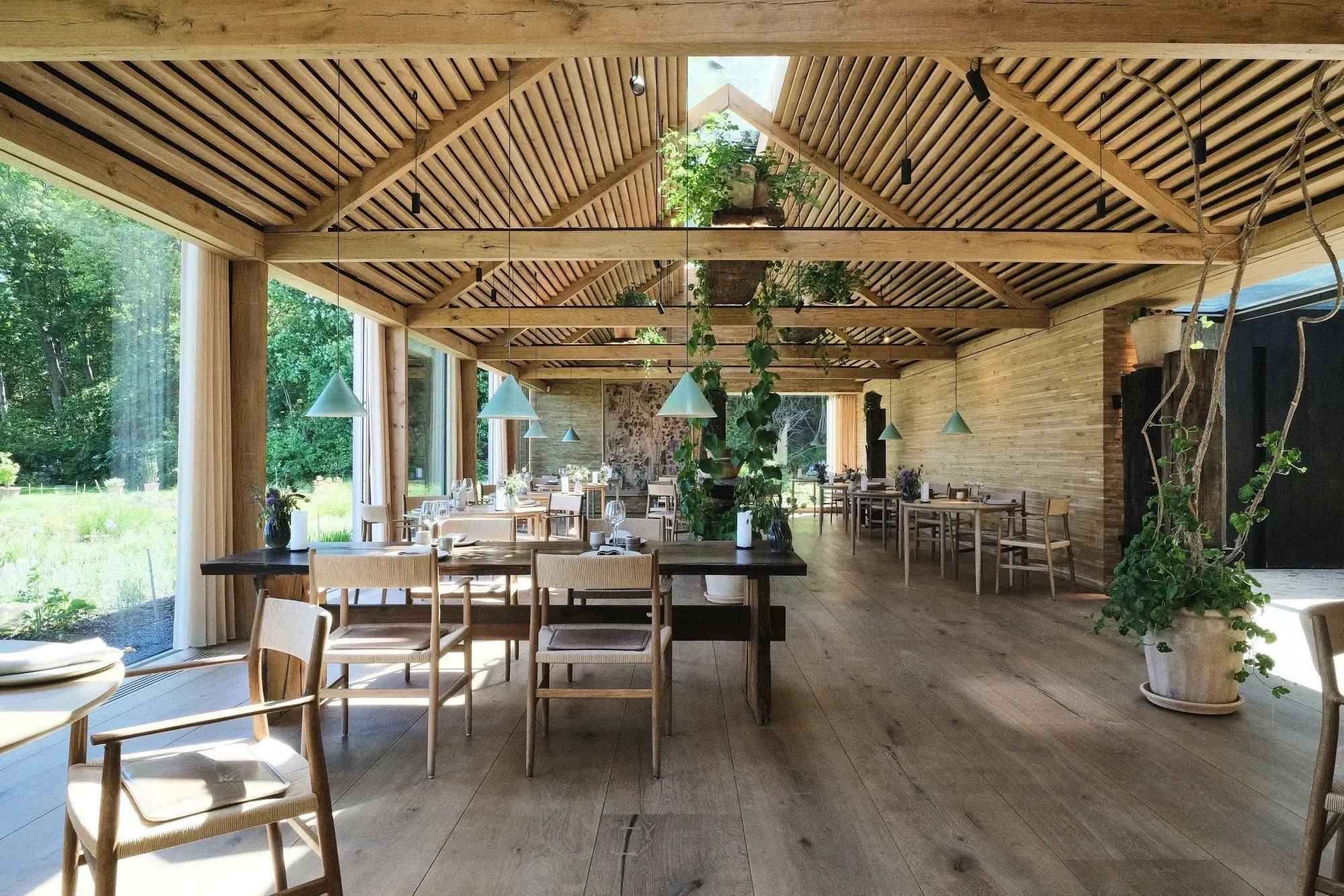
For many years, the name Noma has been spoken of as a legend of contemporary cuisine. Not Paris, not Tokyo, this Michelin-starred restaurant has put Copenhagen — a cold Northern European city — at the center of global cuisine. Behind the restaurant is René Redzepi, a chef celebrated as a culinary genius. He has turned Nordic forest ingredients—moss, seaweed, wildflowers, foraged ants, or wild greens—into Michelin-worthy dishes that cost hundreds, even thousands of dollars. Redzepi's philosophy is to create dishes that embody 'time and place', meaning the flavors must reflect the Nordic ecosystem accurately. Noma's space is designed like a culinary village with several small buildings surrounding a garden and a greenhouse. The complex includes the dining room, the main kitchen, the research kitchen, and a fermentation room. In The World's 50 Best Restaurants list, Noma has repeatedly been named the world's number one restaurant. After earning three Michelin stars, the restaurant became the symbol of the New Nordic Cuisine movement, a cooking philosophy that emphasizes local ingredients, seasonality, and the Nordic nature. However, that halo hides less discussed stories. Recently, former staff described a very different picture of the Noma kitchen. They spoke of shifts that stretched to exhaustion, about an obsession with perfection taken to extremes, and about a kitchen culture where shouting, public humiliation, or violent behavior were treated as 'professional discipline'. According to The Times, around 35 former employees said that from 2009 to 2017, Redzepi hit or pushed staff for small mistakes, even punched them when angry. He also threatened to blacklist them and expel them from the industry. These accusations target not only the chef but raise larger questions about the entire fine dining sector. For decades, the high-end kitchen model has operated like an army, with a clear hierarchy, absolute obedience, and a nearly religious belief that the perfection of a dish can justify any sacrifice. Beyond that, for years Noma and other famous restaurants relied on a large workforce of unpaid interns from around the world who paid to work for a few months in the legendary kitchen, to later claim on their resumes that they had worked at Noma. Viewed in ideal terms, it was a culinary school. But in reality, it also resembled an economy driven by passion where dreams of becoming a top chef persuaded many to accept working conditions they would not accept in any other industry. From that ideal brand, they could sell books, food products, produce TV programs, collaborate with luxury brands, or host culinary events around the world. After The Times reported the allegations, two major sponsors of Noma's Los Angeles pop-up series withdrew. American Express and Blackbird, a hospitality-focused startup, said they would pull out of the 16-week pop-up, which had already sold out tickets. American Express had purchased six nights for Platinum cardholders in the U.S., and Blackbird purchased tickets worth about $100,000 over the event. Ben Leventhal, Blackbird's CEO, said, 'According to Redzepi's acknowledgment, past behavior was unacceptable.' The two companies said they would refund customers and donate the remaining funds to worker-protection charities in the hospitality industry. By Tuesday afternoon, Cadillac, the sponsor of luxury cars to pick up guests, had also quietly pulled its name from Noma's website. One Fair Wage organized a protest outside the Los Angeles restaurant on Wednesday, urging compensation for workers and policy changes. That controversy under the banner of 'fine dining' reflects a broader shift in the global restaurant industry, where a new generation of chefs is beginning to question the 'tyrant genius' model that has dominated Michelin kitchens and what happens behind an extravagant meal. Noma, in a sense, stands at the crossroads of two eras. An old era of battlefield-like kitchens and tyrannical geniuses. And a new era where creativity must come with sustainability not only for nature but for people.





Premium gym chains are entering a “golden era” that is ending or already in decline, as rising operating costs collide with shifting consumer preferences toward more flexible, community-based ways to exercise. Long-term memberships are shrinking, margins are pressured by higher rents and facility expenses, and competition from smaller, more personalized…