•
•
•
•
•
•
•
•
•
•
•
•
•
•
•
•
•
•
•
•
•
•
•
•
•
•
•
•
•
•
•
•
•


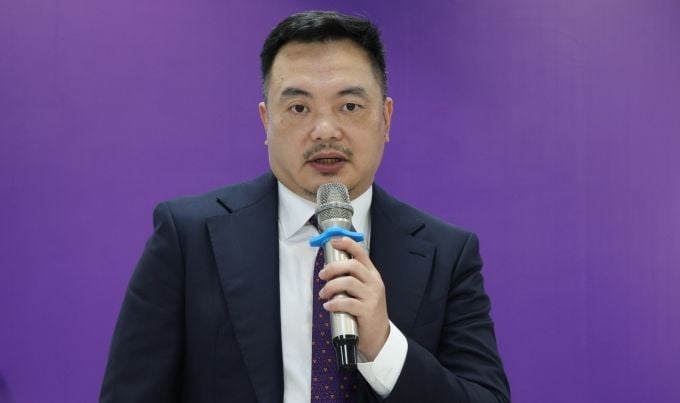
Mr. Nguyen Chi Thanh, a former senior executive at Vietcap, Everest and SHS, has been appointed chief executive officer of Tiên Phong Securities (TPS) effective April 23, 2026. TPS said the appointment is for a five-year term. The company is 51% owned by TPBank.
Thanh was born in 1980 and holds an MBA in Business Administration from Boston University (United States). He has nearly 20 years of experience in finance and securities, including more than 11 years at SHS, where he served as CEO and deputy CEO.
At the 2026 annual meeting, Thanh said one of his objectives is to position TPS among the top 10 in Vietnam’s securities industry. He noted that the target is not limited to brokerage market share, but also includes investment banking and system development. The board expects the goal to be achieved within about three years and asked shareholders to be patient.
Thanh said TPS’s advantages extend beyond capital, personnel, technology and governance processes. He highlighted that its parent bank is ready to share tens of millions of customers, adding that TPS “will not accept maintaining a mid-range position in the securities sector.”
TPS plans to focus on three main business areas: securities brokerage, investment banking and funding activities.
For 2026, the company targets revenue at 2,250 billion VND, equivalent to 1.5 times the same period last year. After-tax profit is expected to increase 190% to 343 billion VND.
Management estimates that brokerage will contribute about 39% of profits, investment banking 41%, and the remaining 20% from funding activities. The company also said it has not prioritized proprietary trading, unlike some peers.
TPS said that if market conditions move favorably, meeting the profit target should not be difficult. It also outlined a downside scenario in which profits could be affected by about 10%–15% if the market deteriorates.
According to Nguyen Hong Quan, after the Bamboo Capital incident in March 2025, TPS drew lessons on risk diversification and is now applying tighter operational controls. Margin lending is currently reported to carry no bad debts.
Quan said the biggest risk for TPS is intense competition from peers. He warned that if the company does not adapt, there is a high risk of being displaced.







Premium gym chains are entering a “golden era” that is ending or already in decline, as rising operating costs collide with shifting consumer preferences toward more flexible, community-based ways to exercise. Long-term memberships are shrinking, margins are pressured by higher rents and facility expenses, and competition from smaller, more personalized…