•
•
•
•
•
•
•
•
•
•
•
•
•
•
•
•
•
•
•
•
•
•
•
•
•
•
•
•
•
•
•
•
•


The upcoming Hung Kings’ Day holiday and the 30/4–1/5 break are expected to mark the start of the peak summer travel season. Authorities and transport operators are increasing capacity to meet rising mobility demand and support domestic tourism.
A railway transport company recently adjusted ticket prices due to sharply rising input costs, with the new rates applying from April 5.
Meanwhile, amid ongoing Middle East tensions and volatile jet-fuel prices, travelers are advised to purchase tickets early to benefit from flexible pricing tied to travel times during the Hung Kings’ Day holiday and the 30/4–1/5 period.
Preliminary surveys of airline ticket websites indicate promotional fares are scarcer than in previous periods, while flight frequencies have declined on many routes, including peak corridors such as Hanoi–Ho Chi Minh City and other domestic tourism routes.
The market currently shows very few promotional fare ranges compared with the previous period.
The Civil Aviation Authority of Vietnam has proposed applying a domestic fuel surcharge from April 1 to June 30. The maximum surcharge is expected to be VND 680,000 per ticket, equivalent to an estimated fare rise of roughly 10–20%.
A representative from Viet Travel Company said tour groups that have already booked and paid with domestic airlines should not face the new surcharge, which would help keep holiday prices stable. However, new bookings after April 1 may require price adjustments of 5–10% if the fuel surcharge is applied.
The representative added that domestic and international air ticket prices may face upward pressure, which could lead travelers to shorten trips or choose nearer destinations to reduce costs.
According to a notice from Vietnam Airlines Group (Vietnam Airlines, Pacific Airlines, and Vasco), during the peak Hung Kings’ Day and 30/4 period, carriers expect to operate nearly 5,500 flights across domestic and international networks.
Within the domestic network, more than 3,800 flights are planned, offering over 730,000 seats—up about 13.3% in flights and 16% in seats versus 2025.
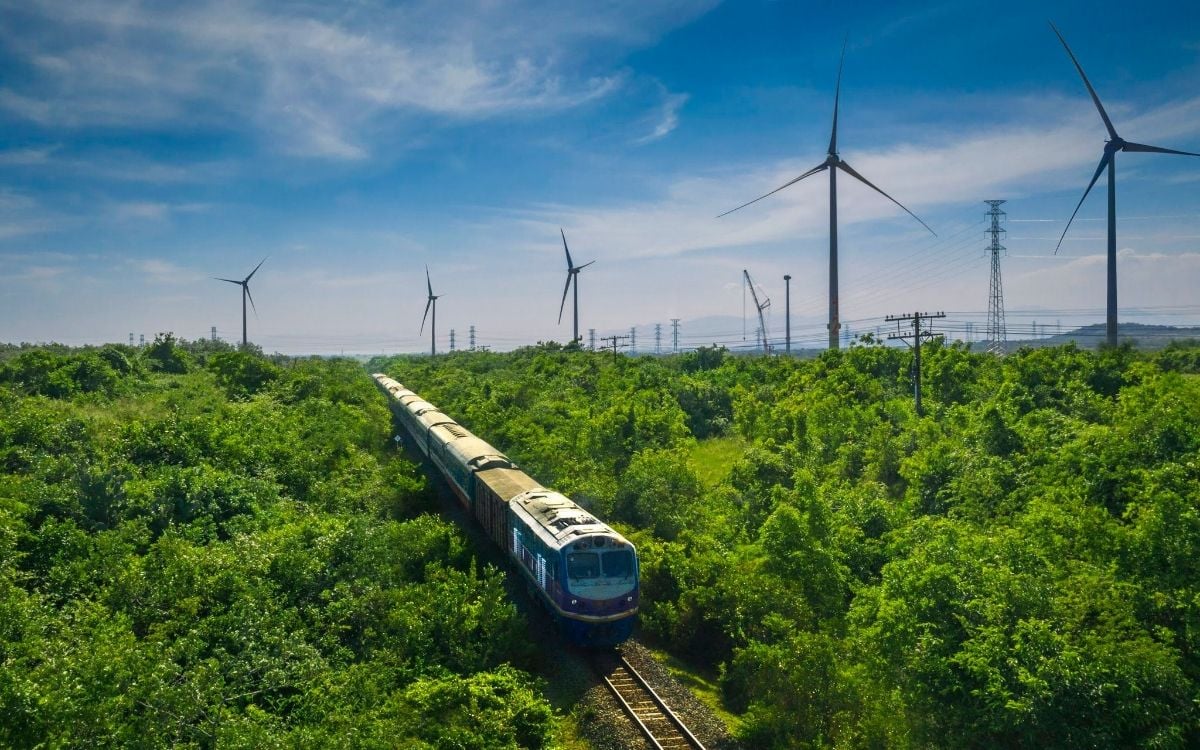
To meet travel demand during the holidays, Vietnam Railways announced on April 7 that it will run additional services from April 24 to May 3, 2026 on several routes.
Additional trains will also operate on routes including HCMC–Qui Nhon, HCMC–Nha Trang, HCMC–Phan Thiết, Hanoi–Dong Hoi, Hanoi–Da Nang, Hanoi–Hai Phong. Hanoi–Lao Cai will maintain three pairs daily, while the Hanoi–Da Lat route will run multiple services for tourism. The railway sector will flexibly add carriages and run extra services as needed.
Railways will continue applying discount policies, including 90% discount for veterans active before the August 1945 uprising, 30% discount for meritorious contributors, and discounts for people with special disabilities and foreigners (where applicable).
A rail sector representative said passenger rail ticket prices were adjusted by about 3% from April 5, while freight charges increased by 3–5% depending on service type.
As of 8:00 on April 7, 2026, about 44,200 rail tickets had been sold for the peak period from April 29 to May 3, 2026.
For road transport during the holidays, Ho Chi Minh City’s Eastern and Western Bus Terminals said they discourage fare increases. They stated that units that declare fare rises to cover costs when trips are unprofitable must follow regulations.
In the three-day window from April 29 to May 1, fare increases should not exceed 40% compared with normal days.
The terminals will continuously monitor passenger volumes by route and mode to plan adjustments and strengthen service on key routes to relieve congestion.
Quang Ninh and Hai Phong have established four travel itineraries to connect Ha Long Bay and Lan Ha Bay. Various airline advisories for April have also been issued to travelers, while Quang Tri is boosting summer tourism with a series of featured events.



Premium gym chains are entering a “golden era” that is ending or already in decline, as rising operating costs collide with shifting consumer preferences toward more flexible, community-based ways to exercise. Long-term memberships are shrinking, margins are pressured by higher rents and facility expenses, and competition from smaller, more personalized…