•
•
•
•
•
•
•
•
•
•
•
•
•
•
•
•
•
•
•
•
•
•
•
•
•
•
•
•
•
•
•
•
•


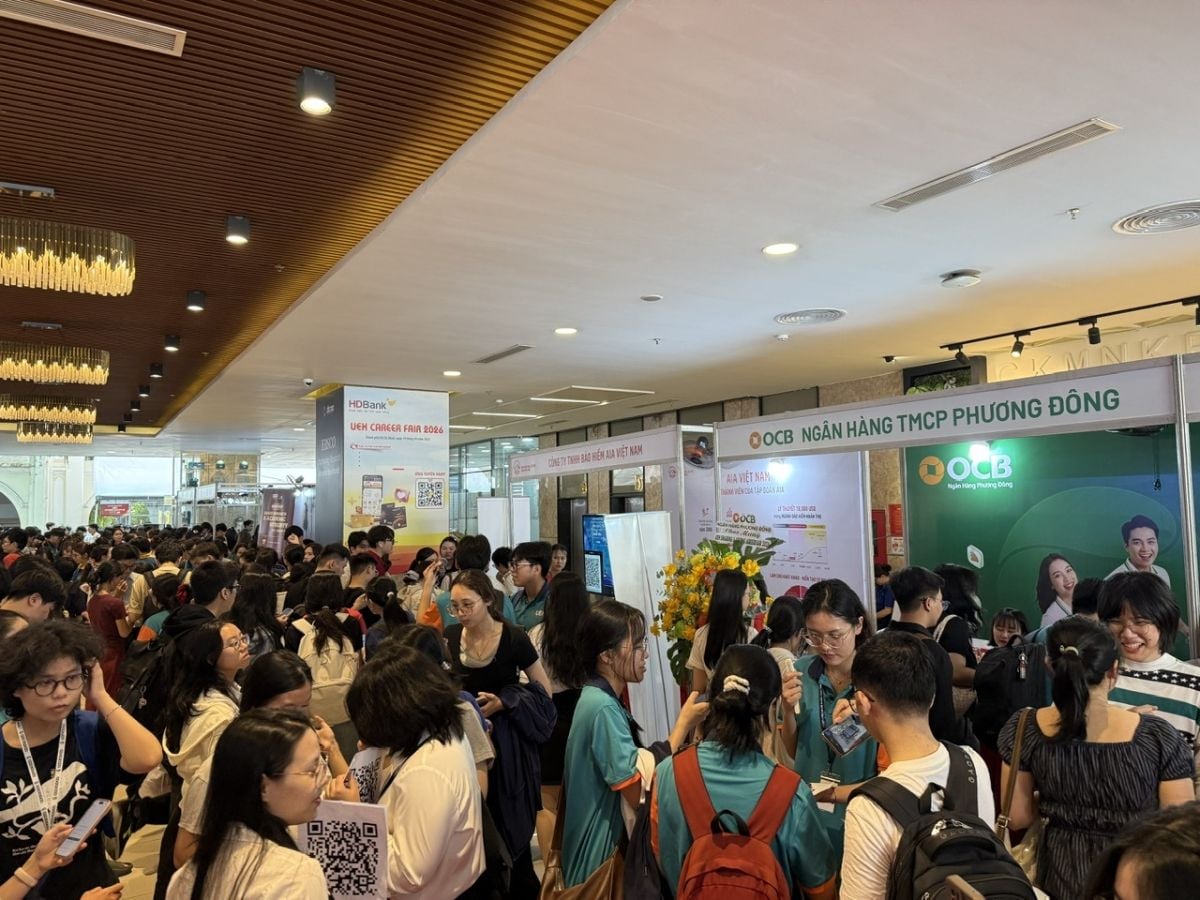
On the occasion of its 50th anniversary, Ho Chi Minh City University of Economics (UEH) organized the series of events “UEH Sharing & Giving – Career Fair 2026” from 13 to 19 April, marking a transition from building a connected platform to co-creation. The program, implemented by UEH since 2020, runs under the theme “Connecting the community - Spreading knowledge - Sustainable action.”
After five years, the initiative has built an open collaboration ecosystem with more than 1,500 partners. It has awarded over VND 213 billion in scholarships to more than 16,000 learners, alongside thousands of internship, research, and hands-on opportunities for students.
According to the organizers, this year’s highlight is the participation of more than 60 reputable enterprises across finance, banking, technology, e-commerce, manufacturing, and logistics. The units provided over 5,000 job opportunities, aimed at helping students access real-world experience and better understand the labor market as they prepare for their career paths.
On the morning of 19 April, the Internship and Career Day in Ho Chi Minh City - Career Fair 2026 opened as one of the highlights of the UEH Sharing & Giving – Career Fair 2026 series. The event is positioned not only as a recruitment activity, but also as a space for strategic dialogue between education and the labor market.
Participants can experience the recruitment process through 1:1 interviews, career counseling, and CV refinement. The organizers said this enables students to proactively strengthen their capabilities while allowing enterprises to identify potential early.
A UEH representative said the series of events delivers practical value and reinforces the university’s role as a bridge between education, business, and society. From the foundation already built, UEH and the community are moving toward a knowledge ecosystem linked to practice, responsibility, and sustainable development for the future.





Premium gym chains are entering a “golden era” that is ending or already in decline, as rising operating costs collide with shifting consumer preferences toward more flexible, community-based ways to exercise. Long-term memberships are shrinking, margins are pressured by higher rents and facility expenses, and competition from smaller, more personalized…




