•
•
•
•
•
•
•
•
•
•
•
•
•
•
•
•
•
•
•
•
•
•
•
•
•
•
•
•
•
•
•
•
•


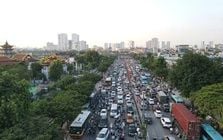
The Vietnam Road Administration (Ministry of Transport) has issued a report on measures to strengthen and improve the safety of transport infrastructure on National Highway 1 (QL1) and other major national highways. Priority is given to addressing black spots and accident-prone locations that arise during operation. QL1 is the country’s arterial transport corridor with a length of more than 2,300 km. In recent years, the route has been upgraded and expanded in various forms, contributing to improved traffic capacity and reduced congestion. Beyond QL1, other high-traffic routes such as QL3, QL5, and QL6 have also received significant investments to address black spots and other accident-prone locations and to fix deficiencies in traffic organization. From 2022 to date, the road-transport authorities have addressed more than 368 black-spot locations. Facing rising traffic on QL1, the Vietnam Road Administration has deployed intelligent transport systems (ITS) and artificial intelligence (AI) to enhance management, monitoring, and safety across the national highway network. Routes such as QL6, QL3, QL4A, QL4C and the Ho Chi Minh Highway have challenging terrain, many steep descents, tight curves, and limited sight distance. Meanwhile, vehicle volumes, especially heavy trucks and long-distance coaches, are increasing, posing greater safety risks. These routes are currently being managed with maintenance and traffic-management solutions tailored to local conditions.

Premium gym chains are entering a “golden era” that is ending or already in decline, as rising operating costs collide with shifting consumer preferences toward more flexible, community-based ways to exercise. Long-term memberships are shrinking, margins are pressured by higher rents and facility expenses, and competition from smaller, more personalized…