•
•
•
•
•
•
•
•
•
•
•
•
•
•
•
•
•
•
•
•
•
•
•
•
•
•
•
•
•
•
•
•
•


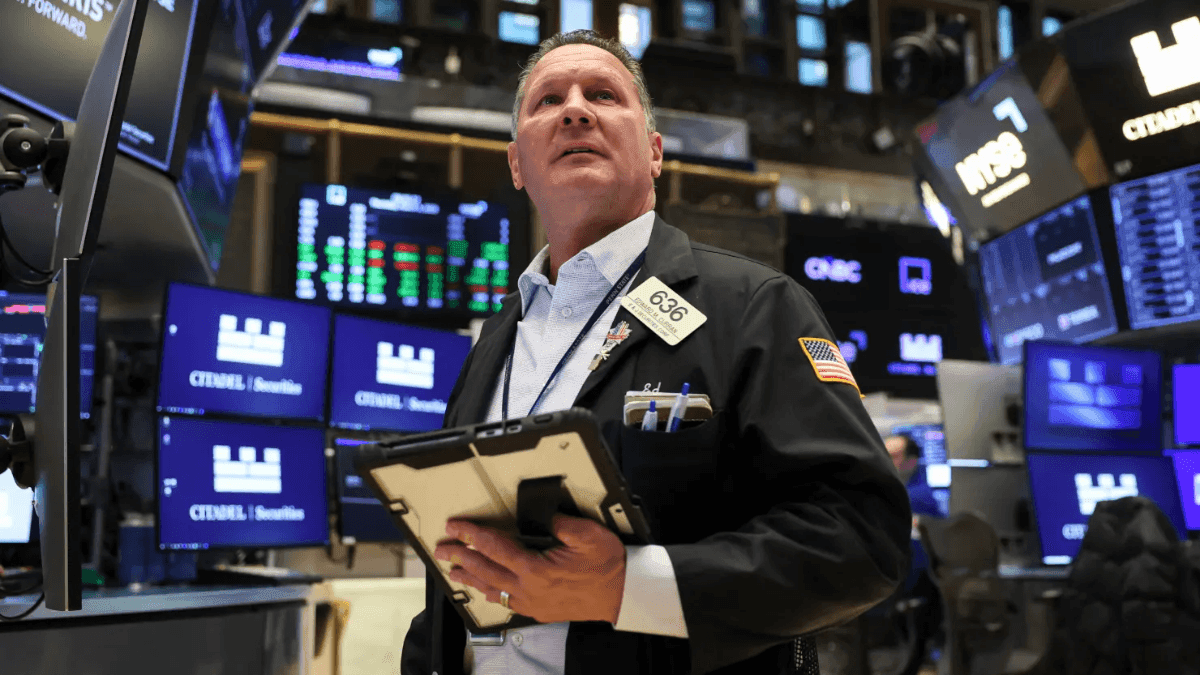
U.S. stocks surged sharply on Friday, April 17, extending a week of record-setting gains after Iran announced it would fully reopen the Hormuz Strait following a ceasefire between Israel and Lebanon. Oil prices fell as concerns about potential energy supply disruptions from the Gulf eased.
At the close, the S&P 500 rose 1.2% to 7,126.06, marking the first time it finished above 7,100. The Nasdaq gained 1.52% to 24,468.48, recording its 13th straight day of gains—the longest winning streak for the index since 1992. The Dow Jones Industrial Average climbed 868.71 points, or 1.79%, to 49,447.43.
The Russell 2000 index of small caps rose more than 2%, closing at a level not seen before.
In a post on X on April 17, Iranian Foreign Minister Abbas Araghchi said the Hormuz Strait would be fully open to all trading vessels for the remainder of the ceasefire between Israel and the Iran-backed Hezbollah in Lebanon. The ceasefire was brokered by the United States, announced by President Donald Trump on April 16, and signed between Israel and Lebanon. It took effect at 5 p.m. Eastern Time.
Following the announcement, crude prices declined. London-traded WTI for May delivery fell nearly 12% to $83.85 per barrel. In New York, WTI futures for June delivery dropped 9% to $90.38 per barrel.
In a Truth Social post, Trump thanked Iran for opening Hormuz, while stating that the U.S. Navy blockade of Iran’s ports would remain in place until a deal is reached. Iranian media suggested the opening could be limited: Tasnim News Agency reported that vessels from countries hostile to Iran would be barred, and that the strait would close if the U.S. maintained the blockade. It was unclear whether ships would have to pay to pass Hormuz.
Ameriprise Financial chief market strategist Anthony Saglimbene said investors were “looking through” the conflict. “I think the market has moved past the worst-case scenarios and sees a path for the U.S. and Iran to end the conflict and for Hormuz to stay open. As long as there remains a high likelihood, the market will not be unduly worried,” he said.
Hope for a peace deal between Washington and Tehran has helped lift U.S. stocks to record highs this week. All three major indices finished the week higher: the Dow rose 3.2%, the S&P 500 gained 4.5%, and the Nasdaq climbed 6.8%.
Trump said he would invite Israeli Prime Minister Benjamin Netanyahu and Lebanon’s President Joseph Aoun to the White House for the first major talks since 1983. The U.S. State Department said both sides want to pave the way for lasting peace, including respecting each other’s sovereignty, improving border security, and reaffirming Israel’s right to defend itself. It added that both sides share concerns that non-state armed groups could erode Lebanon’s sovereignty.
Trump said he hopes Lebanon cares about Hezbollah. Taken together, the developments have raised expectations for a broader solution to the Middle East conflict.






Premium gym chains are entering a “golden era” that is ending or already in decline, as rising operating costs collide with shifting consumer preferences toward more flexible, community-based ways to exercise. Long-term memberships are shrinking, margins are pressured by higher rents and facility expenses, and competition from smaller, more personalized…