•
•
•
•
•
•
•
•
•
•
•
•
•
•
•
•
•
•
•
•
•
•
•
•
•
•
•
•
•
•
•
•
•

The U.S. Treasury has sanctioned multiple Iran-linked cryptocurrency wallets and helped freeze roughly $344 million in digital assets, highlighting Washington’s growing use of blockchain analytics and stablecoin issuers to disrupt sanctions-evasion networks.
U.S. Treasury Secretary Scott Bessent said the department is tracking and blocking financial channels connected to the Iranian regime, according to Odaily. The action followed a statement from Tether saying it froze funds held in two addresses totaling about $344 million.
Blockchain intelligence firm Chainalysis said the wallets’ activity patterns resembled on-chain flows associated with the Islamic Revolutionary Guard Corps (IRGC). U.S. authorities said blockchain analysis indicated the funds moved through intermediate addresses and interacted with wallets linked to Iran’s central bank, with signs the activity was used for sanctions circumvention and to facilitate international trade.
The report estimated Iran’s crypto holdings at $7.8 billion in 2025, with IRGC-associated holdings accounting for roughly 50% as of the fourth quarter of last year.
In Europe, Polish exchange Zondacrypto is facing insolvency concerns after reports that around 99% of its Bitcoin reserves have disappeared, potentially pushing total losses above $100 million, according to Wu Blockchain citing Polish outlet Onet.
Wu Blockchain reported that CEO Przemysław Kral left for Israel and may be difficult to extradite due to nationality issues. Kral said he cannot access about 4,500 BTC, claiming the private keys were held by founder Sylwester Suszek. Suszek has been missing since 2022, and Polish prosecutors have reportedly considered the possibility that he was killed.
The exchange has halted withdrawals and its management has stepped down. Polish authorities have opened criminal and financial investigations, refocusing attention on exchange governance, custody controls, and proof-of-reserves practices.
In the U.S., Tennessee moved to ban crypto ATMs statewide. Odaily reported that Governor Bill Lee signed bill HB 2505, making Tennessee the second state after Indiana to implement a blanket prohibition.
The law takes effect July 1. Operating or installing a “virtual currency self-service terminal,” including Bitcoin (BTC) ATMs, will be treated as a Class A misdemeanor, punishable by up to one year in jail and a $2,500 fine. Retailers that allow the machines on-site may also face legal liability.
Macro policy uncertainty also remained in focus after Odaily reported that the White House said its inquiry into Federal Reserve Chair Jerome Powell is still ongoing. Details were not provided, but continued scrutiny of Fed leadership could raise concerns about policy independence and the rate path, factors that can influence crypto market liquidity expectations.
On the institutional side, Grayscale was reported to have staked approximately 102,400 ETH—worth about $237 million—over a 10-hour window via its Ethereum Mini Trust, according to PANews citing Lookonchain.
Whale Alert flagged several large on-chain transfers watched by traders for potential shifts in exchange supply. An anonymous wallet sent 2,770 BTC—valued around $216 million—to Kraken. Whale Alert also reported a transfer of about 168.3 million USDT from Ceffu to an unidentified wallet on Ethereum, though the purpose was not confirmed.
In DeFi, Aave DAO published a proposal to contribute 25,000 ETH to recovery efforts following the Kelp rsETH bridge incident, according to Wu Blockchain. The proposal would allocate a fixed contribution from Aave’s treasury to support DeFi United’s broader restoration process.
The shortfall from the April 18 incident was initially estimated at roughly 163,183 ETH, later narrowing to about 75,081 ETH after accounting for freezes and anticipated recoveries. Around 14,570 ETH in support commitments had been secured so far, while Mantle has provided a credit facility of up to 30,000 ETH.
Under the proposal, additional contributions would be used first to repay Mantle, positioning the effort as a test case for collective DeFi risk management and ecosystem trust rebuilding.
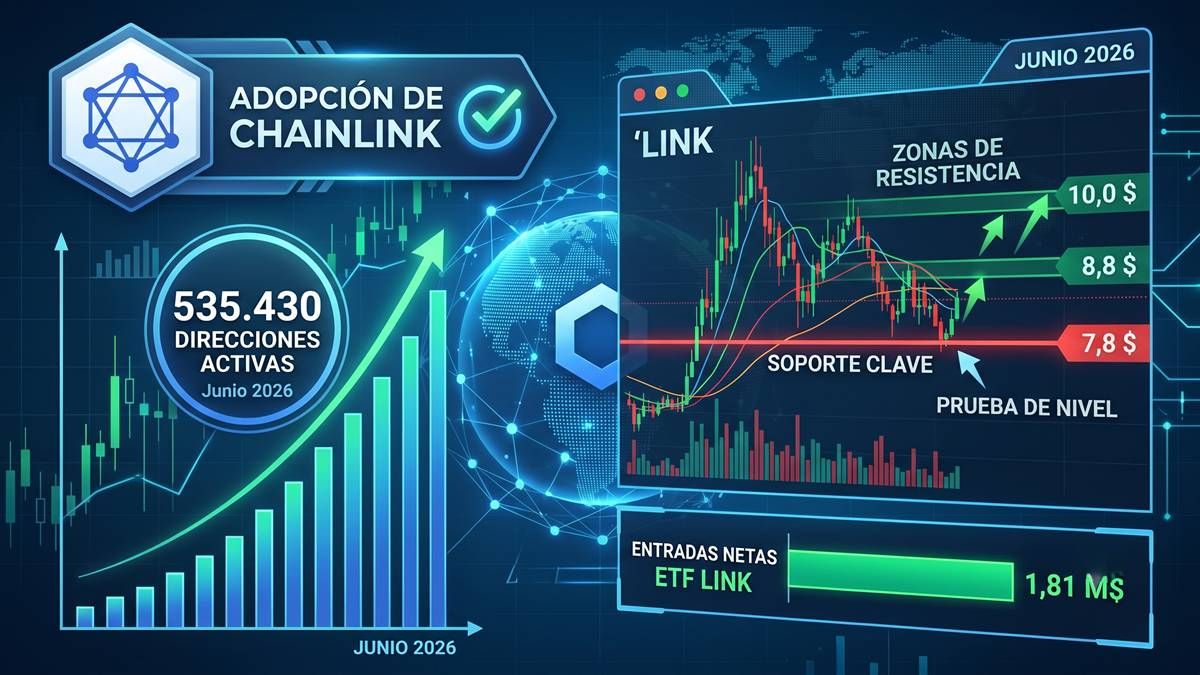
AWS Marketplace integrated Chainlink’s data feeds, data streams, and proof-of-reserve services, enabling developers to connect AWS cloud services with on-chain smart contracts, PANews reported citing The Block. The integration is intended to help institutions build tokenized-asset and smart-contract applications within familiar enterprise tooling.
Separately, Mastercard joined the Blockchain Security Standards Council (BSSC), a nonprofit consortium focused on developing and maintaining blockchain security standards. PANews reported that Mastercard will participate in the organization’s security and privacy working group alongside members including Figment, Coinbase, Fireblocks, and Anchorage Digital.
Taken together, the developments underscore crypto’s expanding overlap with geopolitics, consumer protection enforcement, and institutional infrastructure, while also reflecting how regulation, security events, and liquidity expectations can drive market swings.