•
•
•
•
•
•
•
•
•
•
•
•
•
•
•
•
•
•
•
•
•
•
•
•
•
•
•
•
•
•
•
•
•


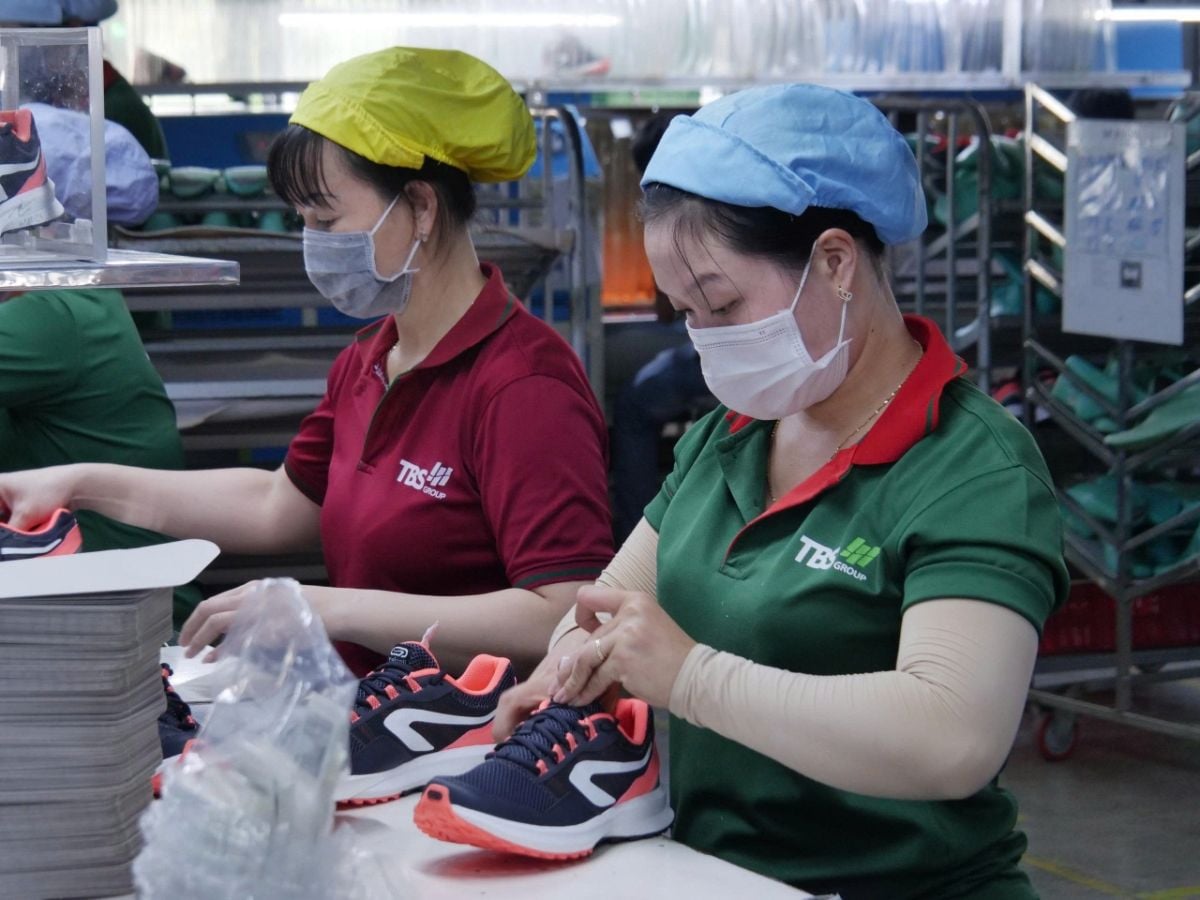
Vietnam Chamber of Commerce and Industry (VCCI) has submitted formal remarks to the Office of the United States Trade Representative (USTR), arguing that manufacturing activities in Vietnam comply with international standards and directly responding to concerns raised in USTR’s Section 301 investigations.
VCCI said manufacturing in Vietnam is carried out in line with agreed quantities, technical standards, and intellectual property (IP) requirements. It also contended that Vietnam’s business practices do not reflect the negative indicators the United States has cited.
According to information from the WTO and Integration Office, VCCI stated that on March 11–12, 2026, USTR initiated two broad investigations under Section 301(b) of the Trade Act of 1974, covering several countries including Vietnam.
VCCI said the investigations focus on two main issues: systemic overcapacity in manufacturing and processing, and allegations that imported goods into the United States involve forced labor.
On April 15, 2026, VCCI submitted a response letter asserting that business practices in Vietnam do not show the concerns raised by the United States.
VCCI emphasized that manufacturing in Vietnam is market-driven. Under the legal framework of the Enterprise Law and the Investment Law, it said all economic sectors are equal and have autonomy over production and input resources based on market signals.
VCCI attributed Vietnam’s production growth in recent years to rising global demand, supply chain restructuring, and waves of international investment relocation.
It also said that in key export sectors to the United States—electronics, machinery and equipment, furniture, textiles and footwear—most Vietnamese enterprises operate under a contract manufacturing model for foreign partners. VCCI argued that this means production is conducted to meet agreed quantity, technical standards, and IP requirements, with output tied to real market demand rather than creating systemic overcapacity.
On labor issues, Vietnam said its legal system and production practices align with the highest international standards. VCCI pointed to improvements in Vietnam’s legal framework in recent years to align with international standards, including commitments under new-generation free trade agreements and International Labour Organization (ILO) conventions No. 29 and No. 105.
VCCI said the Labour Code of 2019 prohibits forced labor in all forms and guarantees workers’ rights to freely choose employment, negotiate working conditions and wages, and related protections. It added that these rights are enforced, particularly in the manufacturing sector.
VCCI also cited the role of ESG standards, saying companies increasingly invest resources in policies and practices to improve welfare and develop the workforce.
It further stated that because many of Vietnam’s customers are multinational companies (MNEs), supply chain due diligence frameworks are in place with stringent standards and rigorous controls, especially regarding labor. VCCI said these mechanisms help prevent violations and ensure compliance with labor standards across supply chains.
Based on its arguments, VCCI called on USTR to conduct a careful investigation using updated data that accurately reflect Vietnam’s realities. VCCI said an objective conclusion would help maintain global supply chain stability, deliver tangible benefits to American consumers, and safeguard the livelihoods of millions of Vietnamese workers in key export sectors.

Premium gym chains are entering a “golden era” that is ending or already in decline, as rising operating costs collide with shifting consumer preferences toward more flexible, community-based ways to exercise. Long-term memberships are shrinking, margins are pressured by higher rents and facility expenses, and competition from smaller, more personalized…