•
•
•
•
•
•
•
•
•
•
•
•
•
•
•
•
•
•
•
•
•
•
•
•
•
•
•
•
•
•
•
•
•


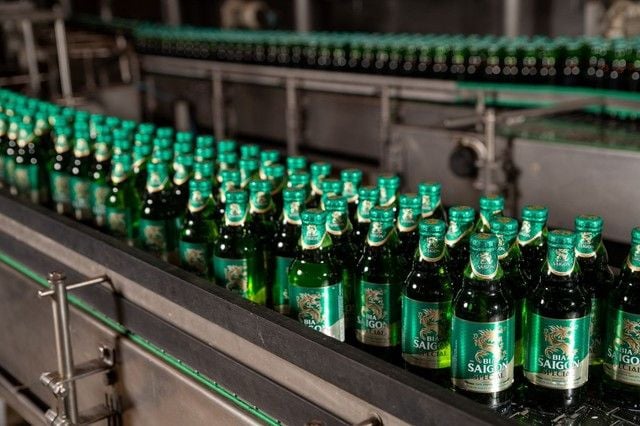
Vietnam Beverage Co., Ltd., the company that holds 53.59% of Saigon Beer-Alcohol-Beverage Corporation (Sabeco), agreed to pay a civil penalty of $860,000 to the U.S. Department of the Treasury’s Office of Foreign Assets Control (OFAC) for violations by its subsidiaries. The subsidiaries exported beer and spirits to the Democratic People’s Republic of Korea (North Korea) through the U.S. financial system.
From April 2016 to October 2018, the subsidiaries executed 26 export contracts of beer and hard liquor with North Korean partners. The total value of payments processed through U.S. financial institutions exceeded $1.14 million.
OFAC said the use of U.S. financial channels occurred because invoices were issued in U.S. dollars, meaning the U.S. banking system effectively provided financial services to restricted entities.
OFAC noted that the subsidiaries signed direct contracts with two North Korean entities: Korea Samjin Trade Company and Korea Zo-Ming General Corporation. The transactions also involved third parties Sunico Co. Ltd. in Singapore and Alttek Global Corporation in the Seychelles.
To complete the payments, the counterparties used 15 intermediary firms in Hong Kong, China, and Turkey. OFAC said all transactions were routed through U.S. correspondent banks or foreign branches of U.S. financial institutions.
At the time of the violations, Vietnam Beverage and its subsidiaries had not established a robust sanctions-compliance framework.
OFAC said the $860,000 penalty was significantly smaller than the maximum statutory penalty of $15.8 million. U.S. regulators commended the new leadership of Vietnam Beverage, which took over at the end of 2019, for terminating the violations and conducting a transparent internal review.
The company cooperated with OFAC during the investigation and remediation process.
The case was presented as a cautionary example of legal-risk management for firms engaged in international trade that use U.S. dollars as a settlement currency.








Premium gym chains are entering a “golden era” that is ending or already in decline, as rising operating costs collide with shifting consumer preferences toward more flexible, community-based ways to exercise. Long-term memberships are shrinking, margins are pressured by higher rents and facility expenses, and competition from smaller, more personalized…


