•
•
•
•
•
•
•
•
•
•
•
•
•
•
•
•
•
•
•
•
•
•
•
•
•
•
•
•
•
•
•
•
•


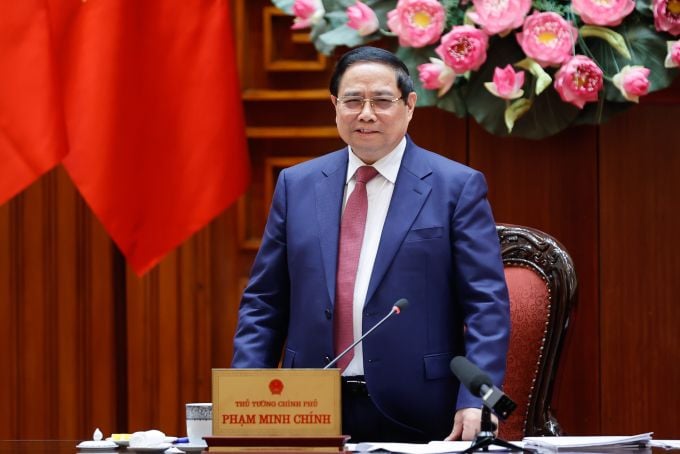
Prime Minister Pham Minh Chính said gasoline, oil and energy supplies remain secure for production and consumption in the near term and in the coming months. Speaking at a meeting with the Energy Security Task Force on March 17, he said crude oil inputs for domestic refineries are being maintained and that fuel supply now and over the coming months is secured. He also noted that gasoline and oil prices are controlled and track world prices.
The Prime Minister said the goal is to ensure gasoline and energy supply for production and consumption, minimizing negative impacts on people, enterprises and the economy.
The remarks come as domestic fuel markets face volatility amid escalating tensions in the Middle East. The article states that current gasoline and oil prices are 27–40% higher than at the end of February, before the Middle East conflict began.
In recent days, the Prime Minister has phoned and sent letters to leaders of many countries and held talks with ambassadors in Vietnam to request assistance in ensuring energy security. The regulator has also used the fuel price stabilization fund and adjusted taxes to support fuel prices.
Officials forecast that the Middle East conflict will continue to affect global energy supply chains and oil prices, which could in turn impact domestic supply. They said Vietnam therefore needs long-term solutions to secure fuel supply for production and consumption.
At the end of the meeting, PM Pham Minh Chính asked ministries and agencies to grasp the situation and respond flexibly, with the objective of avoiding shortages and disruptions across fuel, energy and production chains.
He directed authorities to implement measures to prevent policy-driven profiteering and market disruption, while increasing strategic reserves and diversifying markets and products.
The Prime Minister asked the Ministry of Industry and Trade to ensure stable operation of refineries, maintain imported crude oil and accelerate the introduction of E10 gasoline.
He instructed the Ministry of Finance to coordinate on price management, stabilization funds and anti-smuggling efforts, and to study tax and fee measures when oil prices move sharply.
Law enforcement agencies were told to enhance inspections and strictly handle speculation, fraud and misinformation.
Relevant agencies were asked to balance coal and gas supply for electricity production and proactively plan for potential import disruptions.
The Foreign Ministry was tasked with promoting international cooperation to ensure fuel supply. Other ministries were told to monitor food prices and provide credit support for energy companies, while pursuing technology solutions to reduce dependence on fossil fuels.

Premium gym chains are entering a “golden era” that is ending or already in decline, as rising operating costs collide with shifting consumer preferences toward more flexible, community-based ways to exercise. Long-term memberships are shrinking, margins are pressured by higher rents and facility expenses, and competition from smaller, more personalized…