•
•
•
•
•
•
•
•
•
•
•
•
•
•
•
•
•
•
•
•
•
•
•
•
•
•
•
•
•
•
•
•
•


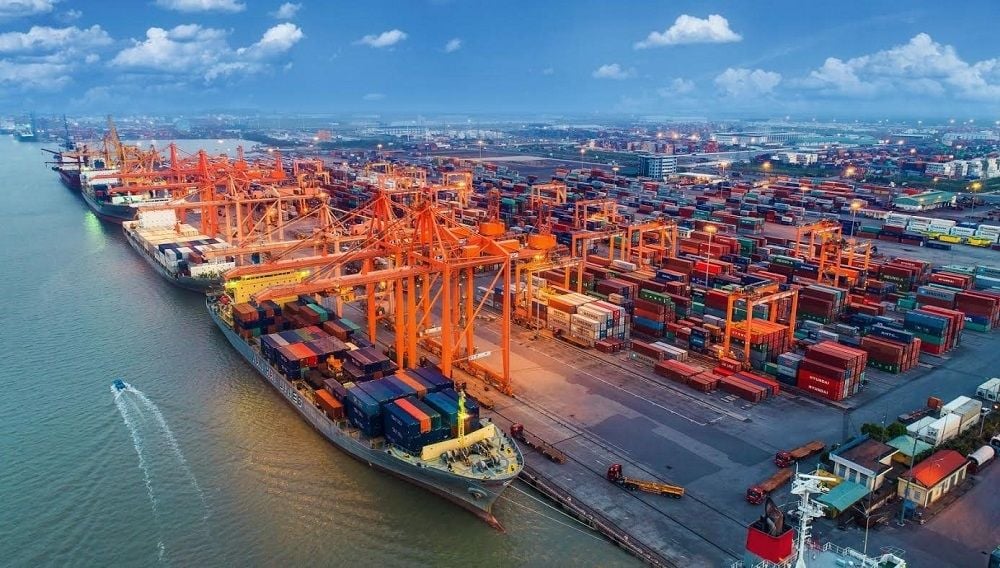
Against a backdrop of highly volatile international trade, Vietnamese enterprises are facing significant challenges from U.S. tariff policies, even as a brief window may allow some firms to expand exports.
The U.S. Supreme Court recently rejected retaliatory tariffs implemented under the Trump administration, creating an opportunity for Vietnamese companies to boost exports.
However, soon after, President Trump signed an order imposing a global import tariff of 10% for 150 days, with the possibility that it could rise to 15% in the future. Experts say this timeline creates a narrow period for Vietnamese businesses to take advantage of export opportunities, while also increasing uncertainty and risk.
At a recent forum on U.S. retaliatory tariffs, experts outlined three scenarios that could unfold after the 150-day period ends:
Experts said the second scenario is considered the most likely, as it would allow the U.S. to maintain tariff pressure in a more flexible manner.
Vietnam is among the countries facing strong pressure from the U.S. due to a large trade deficit. With a population of about 100 million, Vietnam’s trade deficit with the U.S. is expected to reach up to $172 billion in 2025, which is expected to increase Washington’s pressure on Hanoi.
In this context, experts recommended that Vietnamese enterprises use the 150-day window to adjust business plans, restructure orders, and assess mid-term risks associated with export activities.
They also pointed to Vietnam’s longer-term policy direction, including the Trade Promotion Strategy for 2026–2030, which emphasizes diversifying export markets and leveraging Free Trade Agreements.
Enterprises are further encouraged to accelerate digital transformation to manage supply chains more effectively. Investment in education and vocational training—particularly for high-tech sectors—is also highlighted as a factor that can help raise the economy’s competitiveness.
With global trade remaining volatile, experts emphasized that the key determinant for firms is a proactive approach—innovating, improving productivity, and managing operations based on data. They added that Vietnamese enterprises will need to be more flexible and creative in responding to changes in U.S. tariff policies while maximizing opportunities from Free Trade Agreements and emerging markets.


Premium gym chains are entering a “golden era” that is ending or already in decline, as rising operating costs collide with shifting consumer preferences toward more flexible, community-based ways to exercise. Long-term memberships are shrinking, margins are pressured by higher rents and facility expenses, and competition from smaller, more personalized…