•
•
•
•
•
•
•
•
•
•
•
•
•
•
•
•
•
•
•
•
•
•
•
•
•
•
•
•
•
•
•
•
•


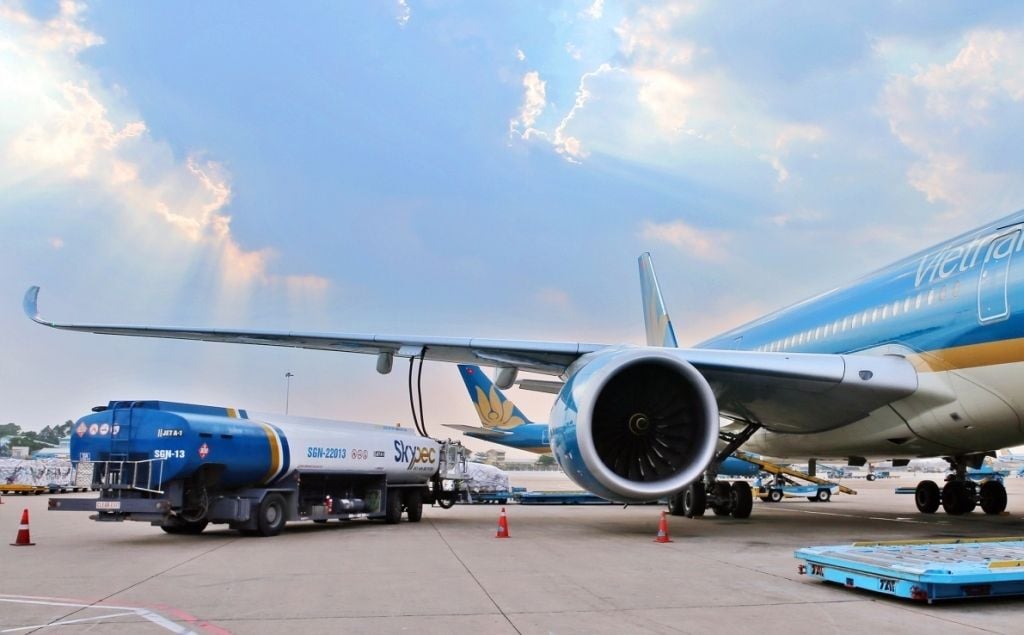
The Civil Aviation Authority of Vietnam (CAAV), led by Director General Uong Viet Dung, recently sent a letter to the Director General of the Civil Aviation Administration of China requesting cooperation to ensure a stable aviation fuel supply in the context of the Middle East situation, which continues to develop and affect air transportation operations. According to the letter, the crisis in the Middle East has disrupted the global and regional oil supply chains, directly affecting airline operations due to fuel shortages. Vietnamese airlines are facing similar impacts. Director Uong Viet Dung said that, based on high-level exchanges between the two countries, particularly the state visit to China by General Secretary and President To Lam, the comprehensive cooperation between Vietnam and China continues to be reinforced, including in the aviation sector. In this context, the Civil Aviation Authority of Vietnam requests the Civil Aviation Administration of China to consider directing fuel suppliers such as Sinopec, PetroChina, and China National Offshore Oil Corporation to continue maintaining a stable supply for Vietnamese aviation fuel importers under signed contracts. According to Director Uong Viet Dung, ensuring fuel supply will help Vietnamese airlines maintain stable operations on routes to China, meeting the travel needs of people in both countries. Fuel costs currently account for about 35-40% of the total operating costs of airlines. In a scenario where fuel prices remain around $200 per barrel, operating costs could rise by about 40% compared with the period before the Middle East conflict. Earlier, the Ministry of Construction had asked CAAV to lead, in cooperation with airlines, the Vietnam Air Traffic Management Corporation, airport operators and fuel suppliers, to assess short- and mid-term fuel supply capabilities and to develop appropriate operating scenarios should fuel prices continue to fluctuate or supply be disrupted. Units are required to develop appropriate operating plans for flight frequency and network to ensure safe and efficient air transport operations while also using fuel efficiently amid ongoing market volatility.





Premium gym chains are entering a “golden era” that is ending or already in decline, as rising operating costs collide with shifting consumer preferences toward more flexible, community-based ways to exercise. Long-term memberships are shrinking, margins are pressured by higher rents and facility expenses, and competition from smaller, more personalized…




