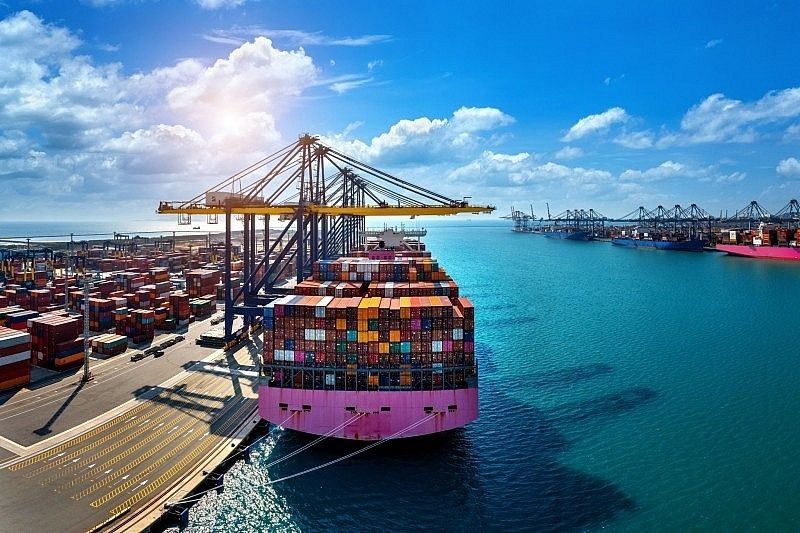
Vietnam's export value for the five months of 2026 reached about 215.66 billion USD, up 19.5% year on year, with electronics, computers and components rising more than 40% in the first quarter, buoyed by global demand for servers and AI-related components.
The current expansion in high-tech exports is largely linked to the global AI investment cycle and ongoing foreign direct investment in electronics, semiconductors and data centers. This strength is fueling a rapid rise in demand for servers and AI-related components. At the same time, traditional export sectors such as textiles, footwear, timber products and seafood face headwinds from new tariff barriers, which pressures the competitiveness and employment in those industries. When a small group of high-growth goods drives total exports higher, declines in other sectors can be masked in the headline figure, creating a potentially misleading impression of overall health.
The overall trade picture shows a split between booming high-tech exports and softer performances in other sectors. While exports rose 19.5%, imports climbed 30.8% to 229.46 billion USD, resulting in a trade deficit of about 13.8 billion USD—the fifth consecutive monthly deficit in 2026. The deficit is partly explained by the import structure: about 94.1% of total imports are inputs, machinery, equipment, components and materials used for manufacturing, meaning much of the imports are intended for processing and re-export rather than domestic consumption.
Despite the deficit, the dong has remained relatively stable, with an expected depreciation of around 1–2% for the year. This resilience is supported by capital inflows in areas such as electronics, semiconductors and data centers, along with remittances and a services surplus.
The mix of rising high-tech exports and a widening goods deficit has implications for policy and the economy. The trade deficit is financed by strong inflows of foreign direct investment into electronics, semiconductors and data centers, remittances and a services surplus, which helps cushion the exchange rate. The reliance on a concentrated growth engine—driven by AI-related investment and related capacity—also creates vulnerability if the AI cycle slows or production shifts elsewhere. Inflation at 4.31% over five months tightens the policy space for rate cuts to stimulate growth, potentially constraining the ability of the central bank to respond to slower domestic demand while maintaining competitiveness for traditional export sectors remains urgent through tariff negotiations, higher value addition, and market diversification.
Vietnam’s 2026 export story highlights a dual reality: double-digit gains in high-tech exports are welcome, but they should not obscure declines in labor-intensive sectors that employ millions. If the AI investment cycle loses momentum or multinational firms relocate production steps, the traditional export pillars could falter. With inflation elevated and policy maneuvering narrowed, maintaining competitiveness for non-tech sectors through tariff strategies, added value, and broader market access becomes increasingly important to balance growth and employment across the economy.