•
•
•
•
•
•
•
•
•
•
•
•
•
•
•
•
•
•
•
•
•
•
•
•
•
•
•
•
•
•
•
•
•


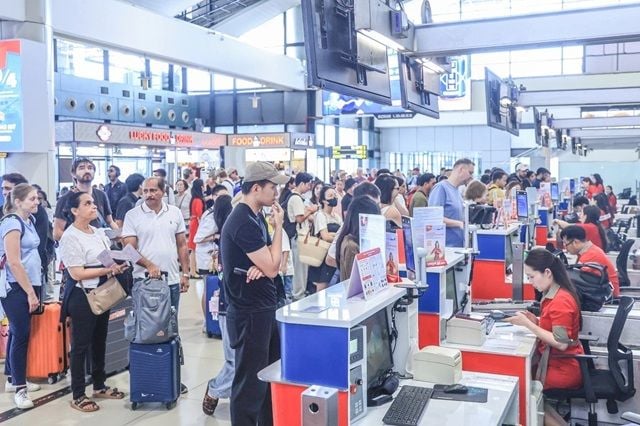
After two consecutive holiday periods, Vietnam’s tourism sector is showing positive signals. During the Hung Kings Commemoration Day holiday (April 25–27) and the Reunification Day holiday (April 30–May 3, 2026), the tourism industry served about 12 million visitors, up 14.2% year-on-year.
Average occupancy rates at tourist accommodations were about 70%, with some coastal resort centers exceeding 80%.
Among the localities, Ninh Binh led with an estimated arrival of over 2.37 million visitors, including international visitors of 231,189. Total tourism revenue was estimated at 3,569.1 billion VND.
Ho Chi Minh City followed with about 1.69 million visitors, including around 190,000 international travelers, and total tourism revenue of about 8,700 billion VND.
Khanh Hoa expected to welcome over 1.5 million visitors, with total tourism revenue around 2,638 billion VND. Da Nang anticipated over 1.46 million visitors, including more than 621,000 international visitors (up 24%), and total tourism revenue around 5,727 billion VND.
Hai Phong anticipated 1.45 million visitors, including about 139,326 international visitors, with total tourism revenue about 1,120 billion VND. Hanoi expected about 1.35 million visitors, with international arrivals around 248,000, and total tourism revenue above 5,000 billion VND.
During the holiday, several tourism programs and launches were introduced, including Overnight Hung Temple tours and Da Nang’s night tourism programs, as well as Saigon Night tours.
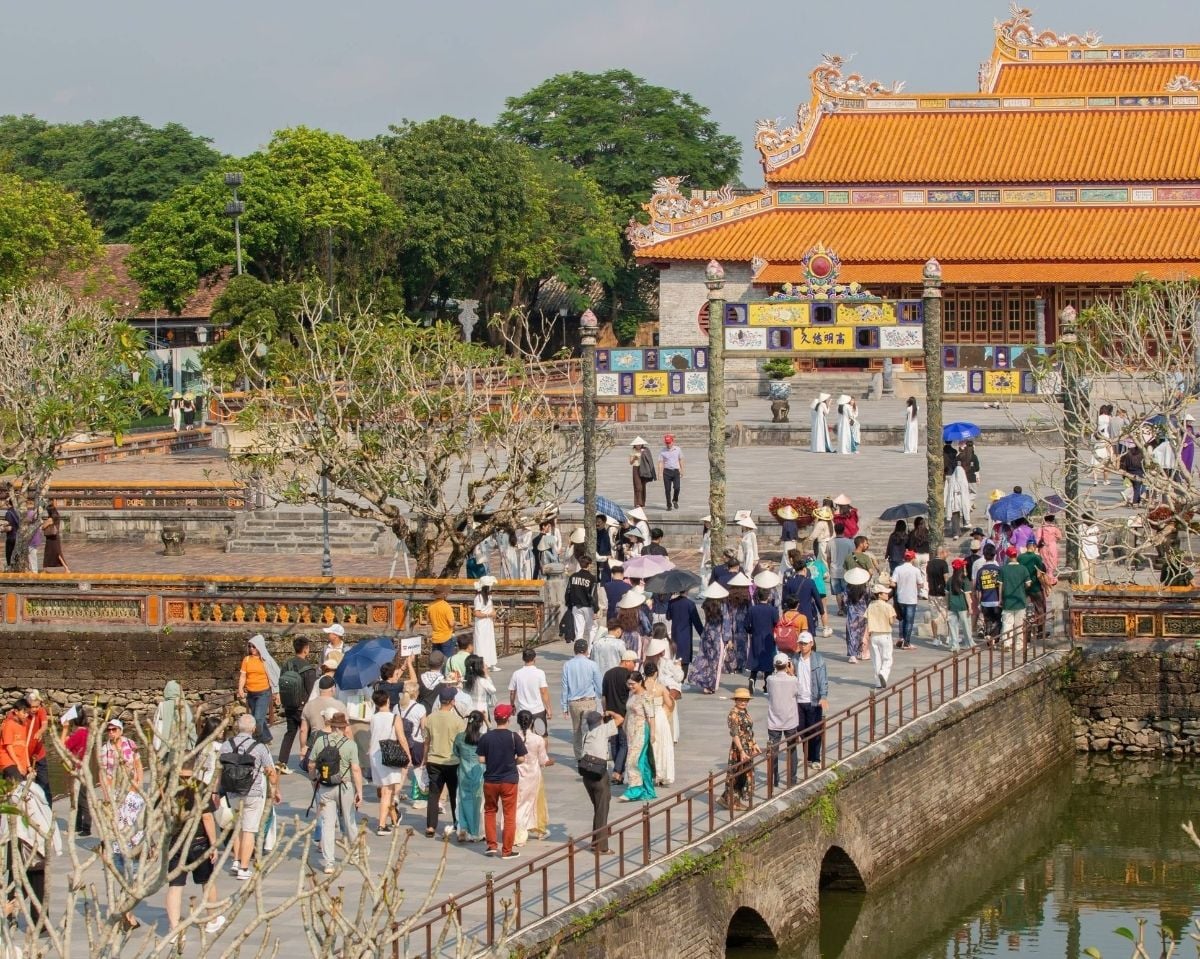
Quang Tri introduced experiences such as Phong Nha Valley, Blue Stone cave exploration, Kling cave, and Son Doong VR 5D. Ca Mau offered forest tours, Khanh Hoa opened the Bao Dai fortress, and Hue ran river tours and Tam Giang lagoon experiences.
The night tour “Hung Temple – Glowing origin” was also launched.
The trend indicates that holidays are spreading travel across time rather than concentrating into a single peak. This distribution helps ease congestion and improve service quality, as a longer and more favorable schedule reduces pressure on top destinations.
Hue set a revenue ceiling for heritage ticket sales during holidays at over 4.2 trillion VND per day.
Even beyond the two holiday periods, the winter holiday performance suggests Vietnam’s tourism still has significant room for growth. The key issue is whether provinces and businesses can convert demand into sustainable growth rather than a temporary spike.
Congestion on expressways and oversaturated destinations during the two holidays highlighted the need for capacity planning. When too many visitors gather at once, they can face waiting times, crowding, price spikes, and overwhelmed services. Destinations also face pressure due to limited infrastructure, environmental constraints, and limited space.
For sensitive areas such as beaches, islands, bays, and ancient quarters, overcrowding can erode appeal and affect local communities.
The approach aligns with Politburo Resolution 80-NQ/TW (Jan 7, 2026) on developing Vietnamese culture. The tasks include restructuring, improving quality and competitiveness, developing distinctive and experience-rich tourism products, promoting smart, green, clean tourism with low emissions, strengthening cross-regional connectivity, and improving human resource quality.
In the longer term, the challenge for Vietnam’s tourism is to reorganize space—distributing visitors by time, region, and experience type; developing satellite destinations; increasing inter-regional connectivity; and creating local products. The industry can strengthen its position not only by attracting high visitor volumes, but also by increasing value per journey.

Premium gym chains are entering a “golden era” that is ending or already in decline, as rising operating costs collide with shifting consumer preferences toward more flexible, community-based ways to exercise. Long-term memberships are shrinking, margins are pressured by higher rents and facility expenses, and competition from smaller, more personalized…