•
•
•
•
•
•
•
•
•
•
•
•
•
•
•
•
•
•
•
•
•
•
•
•
•
•
•
•
•
•
•
•
•



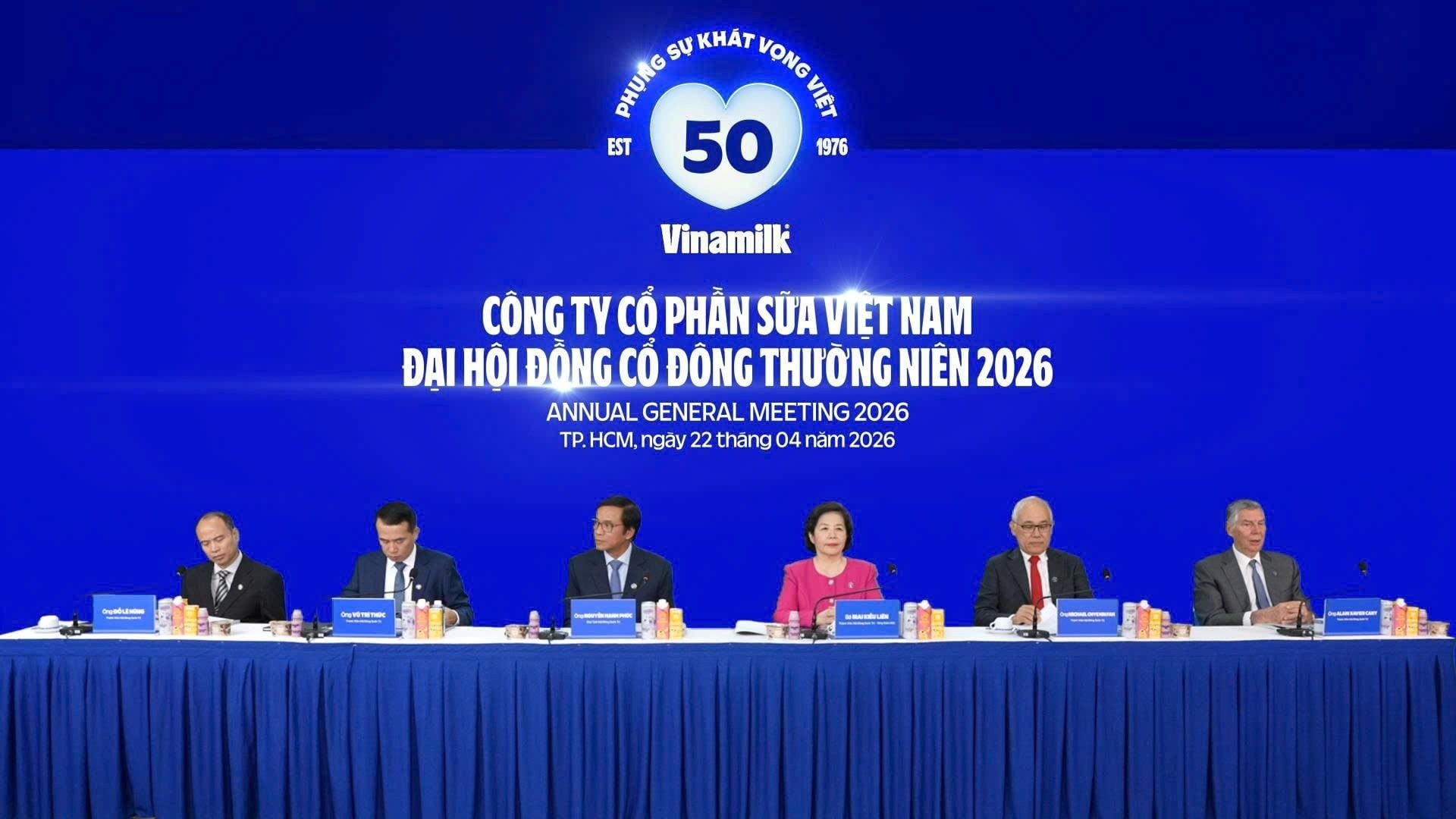
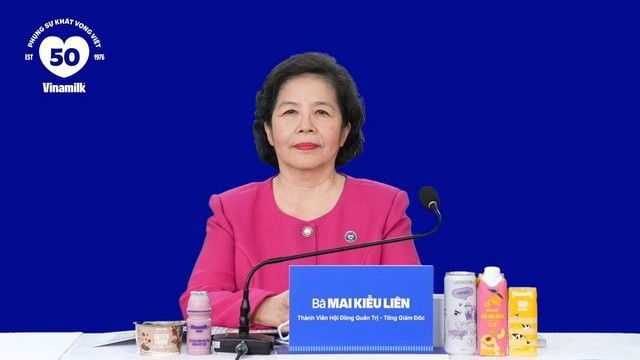
At Vinamilk’s annual general meeting on the morning of April 22, CEO Mai Kiều Liên said input material prices—especially dairy powder-related costs—are likely to rise. In the near term, the company will prioritize keeping selling prices stable to support consumers’ purchasing power.
Ms. Liên said that if the upward trend in input costs continues, Vinamilk would adjust gradually according to a roadmap rather than implementing sharp price increases. She indicated the expected increase would be only about 2–3% to limit the impact on consumers.
Shareholders also raised concerns about purchasing power as the dairy sector remains in a downward trend, even as overall consumption shows signs of recovery. The CEO noted that the FMCG sector improved in Q1, up 4.3 percentage points year-on-year, while the dairy segment alone still recorded negative growth of about 3.7%.
“If there are no positive exogenous shocks and geopolitical fluctuations remain unpredictable, purchasing power will lack momentum to rebound strongly,” Ms. Liên said.
Despite the weak purchasing power environment, Vinamilk expects that if it maintains its current growth momentum, it could help lift the market by about 1.5–2% this year.
Leadership described 2025 as “a year of trial by fire,” citing industry pressure from demand falling 2.4%, rising input costs, and intensifying competition, alongside Vinamilk’s internal restructuring. The company said the restructuring may create short-term pressure but is necessary to strengthen long-term competitiveness.
Vinamilk reported consolidated revenue of 63,724 billion VND, up 3.1% year-on-year, the highest ever. Net profit reached 9,414 billion VND, down slightly due to Q1 impact but improving in subsequent quarters. Earnings per share (EPS) was 4,028 dong.
For 2025, Vinamilk targets consolidated revenue of 66,477 billion VND and net profit of 9,828 billion VND, up about 4% year-on-year, amid expectations of a slow market recovery.
By the end of Q1, the company recorded consolidated revenue of 16,178 billion VND and net profit of more than 2,458 billion VND, up 24.7% and nearly 55% year-on-year versus Q1 2025.
At the meeting, shareholders approved a cash dividend of 43.5% for 2025, equivalent to 4,350 dong per share. The company had already advanced 25%, and the remaining 18.5% will be decided by the Board of Directors within six months from April 22.
For 2026, Vinamilk plans to maintain a minimum cash dividend of 50% of net profit, with flexibility depending on actual business results.
Regarding concerns that the VNM share price is low, Ms. Liên said share prices depend on market supply-demand, company performance, and sustainable development prospects. She added that many other stocks have also fallen with the broader market and said the current dividend remains attractive.
Middle East tensions have pressured exports by lengthening shipping times and increasing logistics costs. Vinamilk said it has adjusted shipping routes, coordinated with partners to ensure delivery timelines, and worked with suppliers to stabilize input materials.
Over the long term, the company plans to diversify markets and supply sources to reduce dependency.
Internationally, the Middle East remains a traditional market, contributing about 7.7% of Vinamilk’s consolidated revenue, with double-digit growth in 2025 and Q1 2026. Meanwhile, China posted growth above 20%, supported by products developed to match consumer preferences.
During the conference, shareholders approved the resignation of board member Alain Xavier Cany upon his request. The company also plans to appoint new personnel when its headcount falls below the maximum allowed under regulations.
Vinamilk further adjusted and added several business lines in line with new regulations, expanding into retail and information technology sectors.
Vinamilk leadership said the Vietnamese dairy market still has growth potential due to a large population and an aging trend that supports rising nutrition demand. The company expects faster growth in segments including plant-based milk, adult nutrition, probiotic supplements, and high-protein lines, while traditional product lines are expected to deliver steady growth.
Vinamilk said it will continue investing in production and distribution systems, expand its cattle herd, and improve governance capabilities to build a sustainable growth foundation in the coming years.


Premium gym chains are entering a “golden era” that is ending or already in decline, as rising operating costs collide with shifting consumer preferences toward more flexible, community-based ways to exercise. Long-term memberships are shrinking, margins are pressured by higher rents and facility expenses, and competition from smaller, more personalized…