•
•
•
•
•
•
•
•
•
•
•
•
•
•
•
•
•
•
•
•
•
•
•
•
•
•
•
•
•
•
•
•
•



Vincom Retail Joint Stock Company (VRE) has outlined plans to pay nearly VND 2.3 trillion in cash dividends to shareholders, alongside growth targets for 2026 as it moves into a new acceleration phase amid a shift in Vietnam’s retail market.
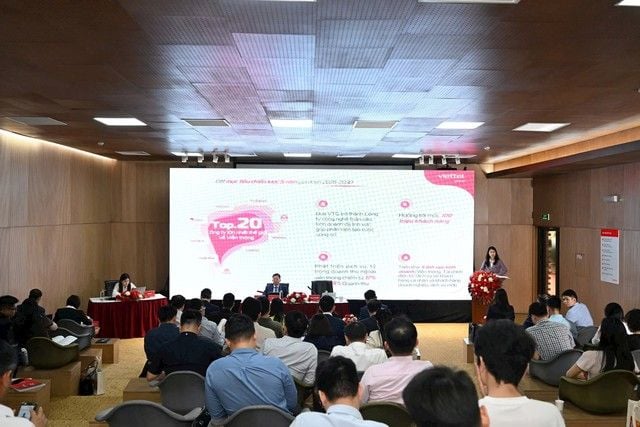
At its 2026 annual general meeting on April 23, Vincom Retail approved a cash dividend of 10%, equivalent to VND 1,000 per share. The total payout is expected to be nearly VND 2.3 trillion, with payment scheduled for Q3 this year.
The dividend plan is based on accumulated profit for 2025.
For 2026, Vincom Retail expects consolidated net revenue of VND 10,132 billion and after-tax profit of VND 5,375 billion, representing increases of 16% and 15%, respectively, compared with the prior year after excluding non-recurring income.
The company’s strategic objective is to become the leading developer and operator of retail real estate in Asia, shaping consumer trends and experiences in the retail market. It also plans to expand its asset portfolio, seek investment opportunities abroad, and develop a global ecosystem of partners.
To implement this, Vincom Retail said it will focus on five core directions:
Vincom Retail also stated it will continue improving governance quality toward international standards by applying the ASEAN Corporate Governance Scorecard (ACGS). The company said this is intended to support greater institutional investor participation, particularly long-term funds, and to optimize its capital structure during the development phase.
The company cited a stable macroeconomic environment and positive retail market growth as favorable conditions for its 2026 plan. In Q1, footfall across its shopping centers recorded double-digit growth.
Vincom Retail expects to achieve its targets and develop its shopping mall and shopping district networks into top experiential destinations in the region, aligned with the growth of Vietnam’s consumer market.






Premium gym chains are entering a “golden era” that is ending or already in decline, as rising operating costs collide with shifting consumer preferences toward more flexible, community-based ways to exercise. Long-term memberships are shrinking, margins are pressured by higher rents and facility expenses, and competition from smaller, more personalized…