•
•
•
•
•
•
•
•
•
•
•
•
•
•
•
•
•
•
•
•
•
•
•
•
•
•
•
•
•
•
•
•
•


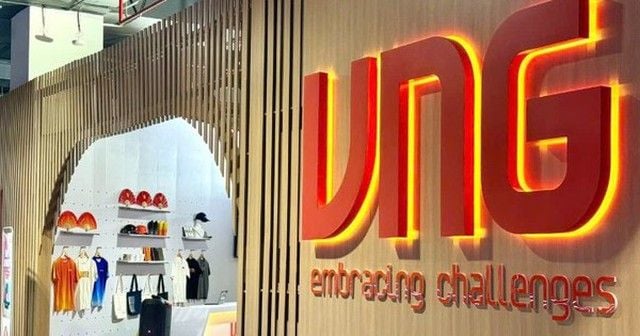
VNG has completed its employee stock ownership plan (ESOP) issuance of 349,491 shares to 608 employees at an issue price of 30,000 dong per share, according to results announced by VNG Joint Stock Company (ticker: VNZ, UPCoM) on March 6.
As of March 6, VNG completed the ESOP issuance to 608 employees. The shares are non-transferable for one year from the end of the issuance period. VNG stated the issue price of 30,000 dong per share is about one-tenth of the company’s market price.
Transfers are expected in Q2 2026. The company said the ESOP is intended to provide long-term incentives for employees, attract and retain talent, reward contributions, encourage outstanding performance, and align employees’ interests with the company’s long-term goals.
Following completion, VNG’s outstanding shares increased to 29.37 million shares. The announced list shows participation by several executives, including:
In 2025, VNG reported net revenue of 10,890 billion dong, up 17% year-on-year. The company recorded a net loss of more than 231.4 billion dong, about 80% lower than the previous year, marking the fifth consecutive year of losses.
For the full year 2025, VNG reported net revenue of nearly 10,890.7 billion dong, up 17.4% from 2024, and net loss of about 1,180.4 billion dong, which was reduced to around 231.5 billion dong as reported. The company had set a 2025 target of 10,773 billion dong in revenue and a net loss of 620 billion dong.
As a result, VNG exceeded its revenue plan by about 1.1% and controlled losses by about 62% versus the target.
As of December 31, 2025, VNG’s total assets reached 11,438.6 billion dong, up 21.2% from the start of the year. Total liabilities increased by 25.6% to 10,458.6 billion dong, with short-term debt accounting for the majority at 8,027.6 billion dong, up 35.7%.
Premium gym chains are entering a “golden era” that is ending or already in decline, as rising operating costs collide with shifting consumer preferences toward more flexible, community-based ways to exercise. Long-term memberships are shrinking, margins are pressured by higher rents and facility expenses, and competition from smaller, more personalized…