•
•
•
•
•
•
•
•
•
•
•
•
•
•
•
•
•
•
•
•
•
•
•
•
•
•
•
•
•
•
•
•
•


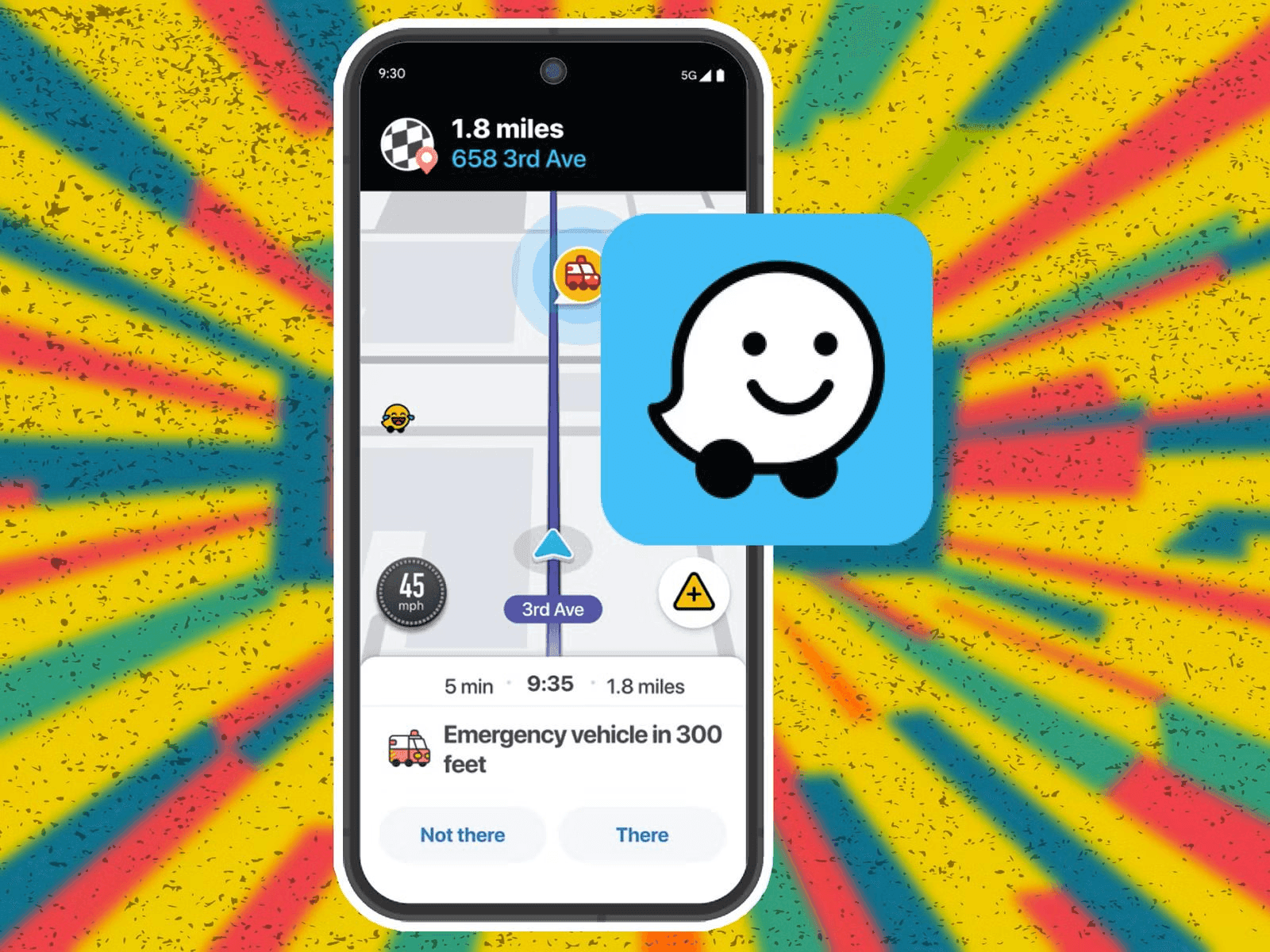
Ben Khalesi of Android Police says he initially avoided switching map apps because, as a late adopter to the Android ecosystem, he was used to apps that were already installed. That changed after he tried Waze, the navigation app Google acquired in 2013, and he concluded it is better than Google Maps for his needs.
Khalesi argues that Waze is minimalist and focused, rather than “bloated” like Google Maps. He says Waze opens directly to the map interface, asks where the user wants to go, and lets users choose a mode of transport—an approach he describes as more straightforward and navigation-first.
He also says Waze makes it easy to move from point A to point B due to its simplicity and “no-nonsense” workflow. By contrast, he notes that Google Maps requires users to press the directions button to begin navigation, and he felt the interface did not provide a clear cue for where to tap to start.
Khalesi adds that he has occasionally felt momentarily confused shortly after opening Google Maps, and that the lack of an intuitive navigation-focused interface can matter for casual map users.
Khalesi says he appreciates that Waze does not automatically assume that the “fastest is best.” He points to the app’s ability to support route choices beyond speed, including limiting turns and avoiding certain areas, even when those options may take longer.
After entering a destination, he says Waze highlights the fastest route by default while also showing multiple alternative routes, each with clearly labeled estimated arrival times. He frames this as a “true navigation-first philosophy” that gives users more control.
He also highlights Waze’s focus on driving by reducing the need to leave the navigation app. For example, he says users can tap a music icon within Waze to choose between Spotify or YouTube Music.
According to Khalesi, the music app then opens inside the Waze interface, displaying saved playlists and recently played songs, along with basic playback controls such as play, pause, and skip.
Khalesi says Waze is not as helpful when connectivity is unreliable. While he notes that essential features are available with an internet connection, he tends to avoid using Waze in areas where the network is unstable.
After getting acquainted with Waze, Khalesi says he felt he could complete navigation tasks with fewer taps than with Google Maps. He states that Waze has replaced Google Maps as his default map app and that he plans to continue using Waze unless Google Maps changes how it operates.





Premium gym chains are entering a “golden era” that is ending or already in decline, as rising operating costs collide with shifting consumer preferences toward more flexible, community-based ways to exercise. Long-term memberships are shrinking, margins are pressured by higher rents and facility expenses, and competition from smaller, more personalized…




