•
•
•
•
•
•
•
•
•
•
•
•
•
•
•
•
•
•
•
•
•
•
•
•
•
•
•
•
•
•
•
•
•


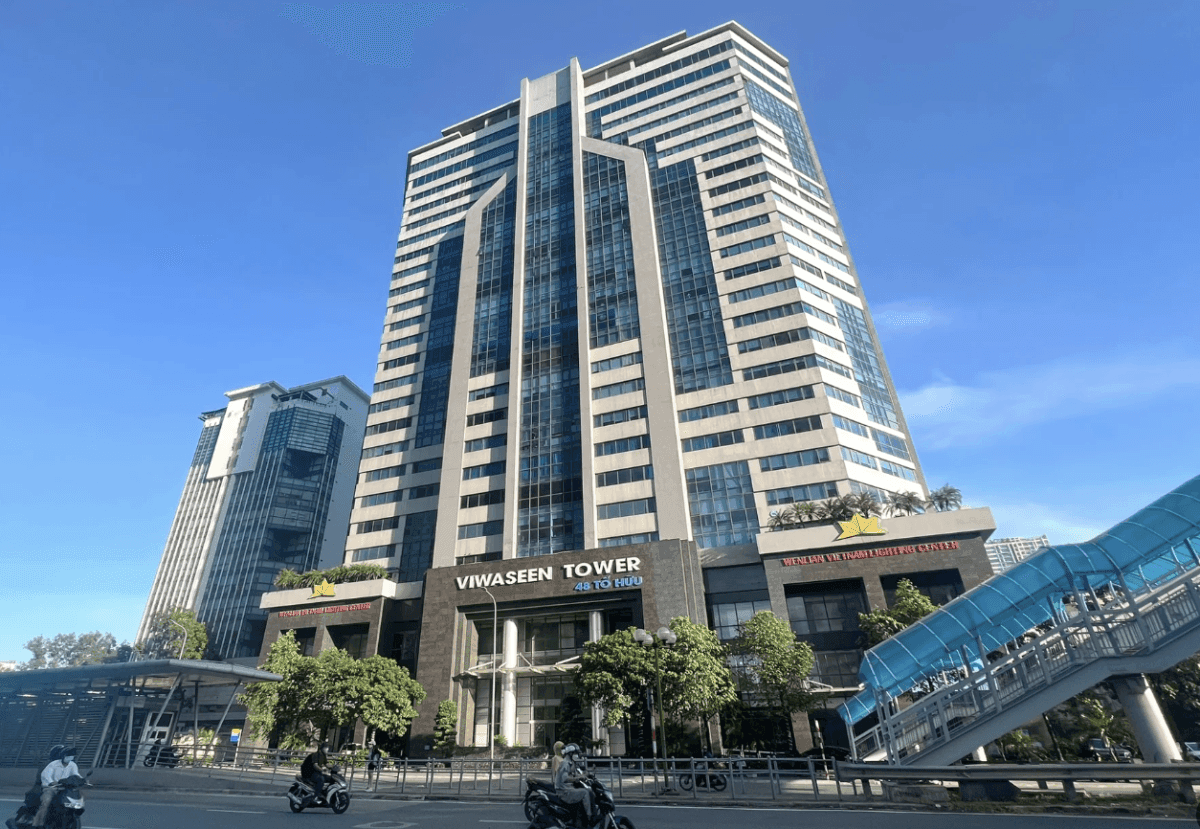
Xuan Cau Holdings has announced its intention to register to buy nearly 13.92 million Viwaseen shares (VIW), while Vinaconex is looking to sell more than 42 million shares of the company. The current chairman of Xuân Cầu Holdings and Viwaseen is Mr. To Dung. Prior to the trading registration, neither Xuân Cầu Holdings nor Mr. To Dung held any Viwaseen shares. The registered amount to be bought is 13.92 million shares. The transaction is expected to be conducted via off-market and on-exchange matching, from 23 April 2026 to 22 May 2026. If successful, Xuân Cầu Holdings would hold about 24% of Viwaseen's capital, becoming a major shareholder. Previously, at the end of 2025, the State Capital Investment Corporation (SCIC) sold all Viwaseen shares to Vinaconex, which acquired nearly 57 million shares, or 98.16% of charter capital, making VIW a subsidiary. At Viwaseen's Extraordinary General Meeting held on 5 March 2026, the five-member board for 2026-2031 was elected, with To Dung — chairman of Xuân Cầu Holdings — chosen as chairman. Following the event, VIW shares surged to ceiling in several sessions before easing, trading around 39,000 dong per share. On 21 April 2026, Vinaconex announced it had sold 380,800 Viwaseen shares out of more than 10.5 million registered due to unfavorable market conditions, reducing ownership to 97.5%. Vinaconex continues to register the sale of more than 42.06 million Viwaseen shares to restructure its investment, with transactions expected from 23 April 2026 to 22 May 2026. If completed, Vinaconex would own more than 14.5 million Viwaseen shares (about 25%). Viwaseen, founded in 1975, focuses on construction, water supply and drainage infrastructure, and real estate. In 2013, the company was corporatized and converted to a joint-stock company under Government Decision 2438/QD-TTg. The initial registered capital in 2014 was 580.18 billion dong.



Premium gym chains are entering a “golden era” that is ending or already in decline, as rising operating costs collide with shifting consumer preferences toward more flexible, community-based ways to exercise. Long-term memberships are shrinking, margins are pressured by higher rents and facility expenses, and competition from smaller, more personalized…




