•
•
•
•
•
•
•
•
•
•
•
•
•
•
•
•
•
•
•
•
•
•
•
•
•
•
•
•
•
•
•
•
•


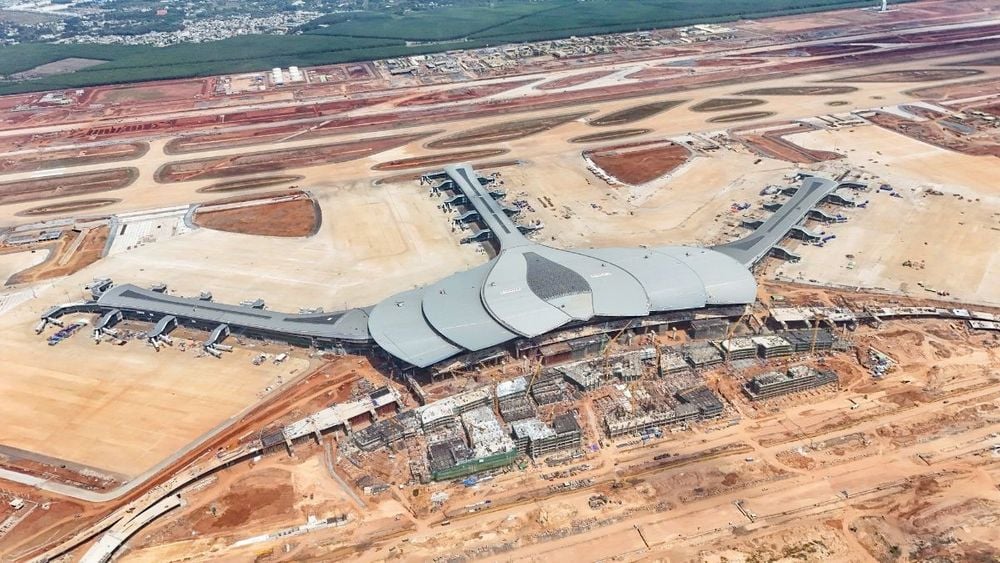
ACV outlines a two-stage plan to transfer international operations from Tan Son Nhat International Airport to Long Thanh International Airport, aiming to establish an international air transit hub in the Ho Chi Minh City region. ACV says it is finalizing the plan for transferring operations between Tan Son Nhat International Airport and Long Thanh International Airport according to a two-step schedule, and has prepared and reported to the competent authorities. Under the plan, the objective is to gradually shift the majority and ultimately all international flights to operate at Long Thanh, in line with infrastructure capacity and the development orientation of an international air transit hub. Specifically, Stage 1, from the start of commercial operations to the end of the Winter 2026 schedule (from 1 December 2026 to 27 March 2027), will transfer all long-haul international flights, including cargo, from Tan Son Nhat to Long Thanh. The projected volume accounts for about 19% of the total international passenger traffic in the Ho Chi Minh City area. Stage 2, from the Summer 2027 schedule to the end of 2030 (from 28 March 2027), will continue transferring the remaining international flights, except for routes shorter than 1,000 km operated by Vietnamese airlines. The goal is to achieve over 90% of international passenger traffic in the area as early as 2027. After 2030, all regular international flights are expected to be migrated to Long Thanh International Airport, to establish the foundation for an international air transit hub in the Ho Chi Minh City region as directed by Prime Minister's Decision 648/QD-TTg. During this period, Tan Son Nhat International Airport will mainly operate domestic flights, together with irregular international flights and charter flights. ACV said it is coordinating with related agencies to finalize the testing and transfer plan and to update volume forecasts according to actual conditions. As soon as the plan for sharing operations between the two airports is approved by competent authorities, the company will implement in a coordinated manner to ensure stable and efficient operations.






Premium gym chains are entering a “golden era” that is ending or already in decline, as rising operating costs collide with shifting consumer preferences toward more flexible, community-based ways to exercise. Long-term memberships are shrinking, margins are pressured by higher rents and facility expenses, and competition from smaller, more personalized…