•
•
•
•
•
•
•
•
•
•
•
•
•
•
•
•
•
•
•
•
•
•
•
•
•
•
•
•
•
•
•
•
•


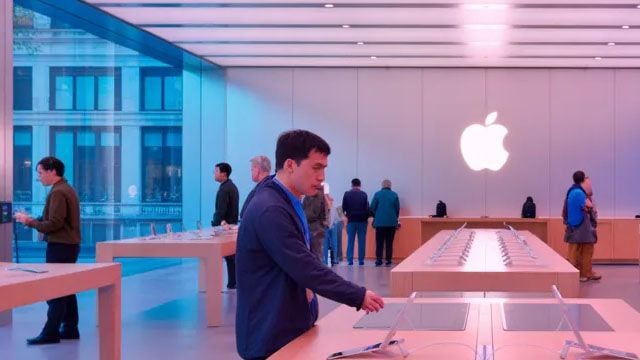
The departure of Tim Cook as chief executive is being framed by Apple as part of a long-term succession plan, but the move also highlights how the company has fallen behind in the artificial intelligence race during his final years.
Apple said Cook’s shift to executive chairman follows a succession plan approved unanimously by the board. While that explanation is consistent with corporate process, analysts point to a more pressing issue: Apple’s AI performance has lagged behind major rivals, even as the company has continued to invest in its own technology.
Technology analysts cited by TWiT.TV said WWDC 2025 was widely viewed as plagued by overpromising and underdelivering on Apple Intelligence and next-generation AI. They noted that ambitious demonstrations did not materialise as expected for users or developers.
Analysts also said the underlying problem persisted: Siri still could not reliably do what Apple said it could, according to Tech Between the Lines.
To meet near-term AI expectations, Apple has been forced into a short-term partnership with Google, analyst Ming-Chi Kuo wrote in January. At the same time, Apple continues building its own AI server chips, which are not expected to enter mass production until the second half of this year.
Dan Ives at Wedbush Securities, which maintains an Outperform rating and a $350 price target, said the timing suggests Cook believed the pieces were in place ahead of WWDC. However, Ives added that investors would likely have more questions than answers about how the leadership change affects Apple’s broader strategy.
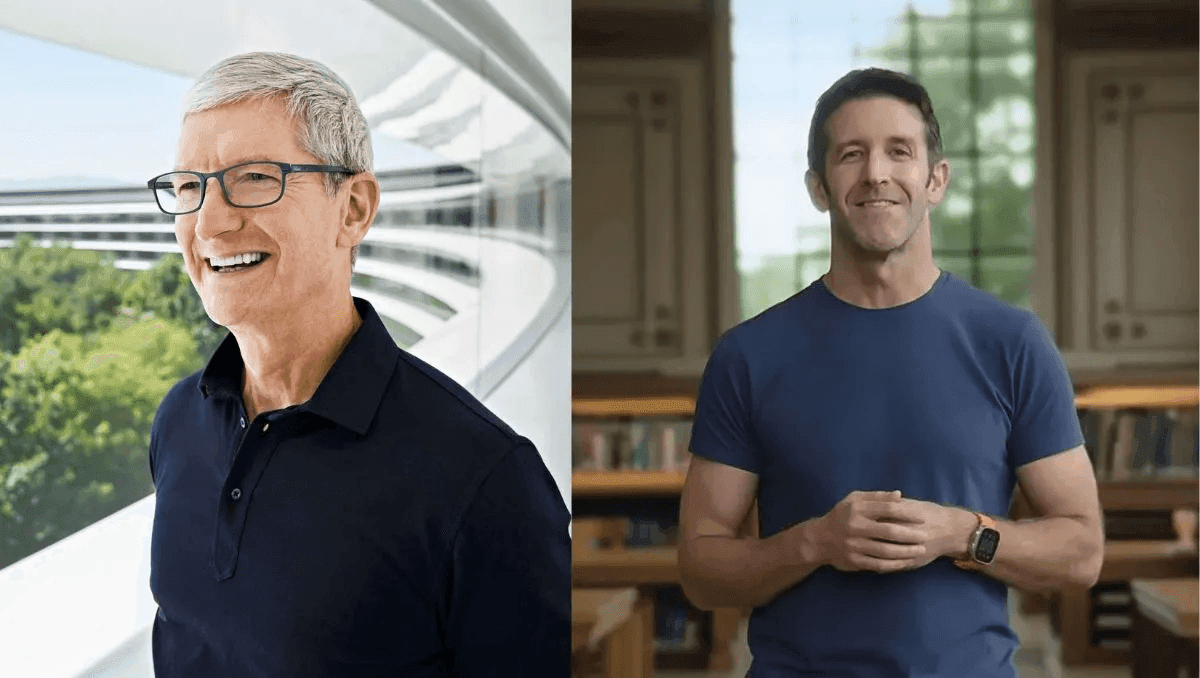
Apple’s selection of John Ternus as successor is being interpreted as a signal about the company’s priorities for the next phase. Gil Luria of D.A. Davidson told Reuters that promoting Ternus suggests Apple may focus more heavily on new hardware, including folding phones, smart glasses, and AI-powered products.
Bob O’Donnell of TECHnalysis Research said Ternus’s biggest challenge will be building a stronger AI narrative that relies more on Apple’s own capabilities and less on third parties.
Ternus is an engineer whose career has been based at Apple Park. He joined the company’s product design team in 2001, became vice president of hardware engineering in 2013, and was promoted to senior vice president in 2021 after Dan Riccio stepped aside to oversee what became the ill-fated Vision Pro.
The product roadmap Ternus inherits is described as packed. Apple is expected to launch a foldable iPhone shortly after Cook steps down in September, alongside rumoured smart glasses and AI-focused products aimed at competing with OpenAI’s planned device.
Apple said Cook will focus on engagement with global policymakers as executive chairman, reflecting the reality that he spent a significant part of his tenure managing relationships with governments in Washington and Beijing. That role, analysts said, does not disappear with the title change.
WWDC 2026, scheduled for June 8 to 12, is being described as a “reckoning” Apple cannot afford to get wrong. Tech Between the Lines reported that AI advancements were explicitly named in the official announcement for the first time.
Ternus is expected to attend WWDC 2026 as CEO-in-waiting, with Wall Street’s expectations centered on whether Apple can deliver on AI after two consecutive years of promises that analysts say have not matched results.
Cook is leaving Apple in strong financial condition. Revenue quadrupled during his tenure, rising from $108 billion in 2011 to $416 billion in 2025, and the services business he built from nothing now exceeds $100 billion annually, according to Yahoo Finance.
The central question for Ternus is whether Apple can convert that financial strength into a credible AI platform before the window for delivering on expectations closes.






Premium gym chains are entering a “golden era” that is ending or already in decline, as rising operating costs collide with shifting consumer preferences toward more flexible, community-based ways to exercise. Long-term memberships are shrinking, margins are pressured by higher rents and facility expenses, and competition from smaller, more personalized…




