•
•
•
•
•
•
•
•
•
•
•
•
•
•
•
•
•
•
•
•
•
•
•
•
•
•
•
•
•
•
•
•
•


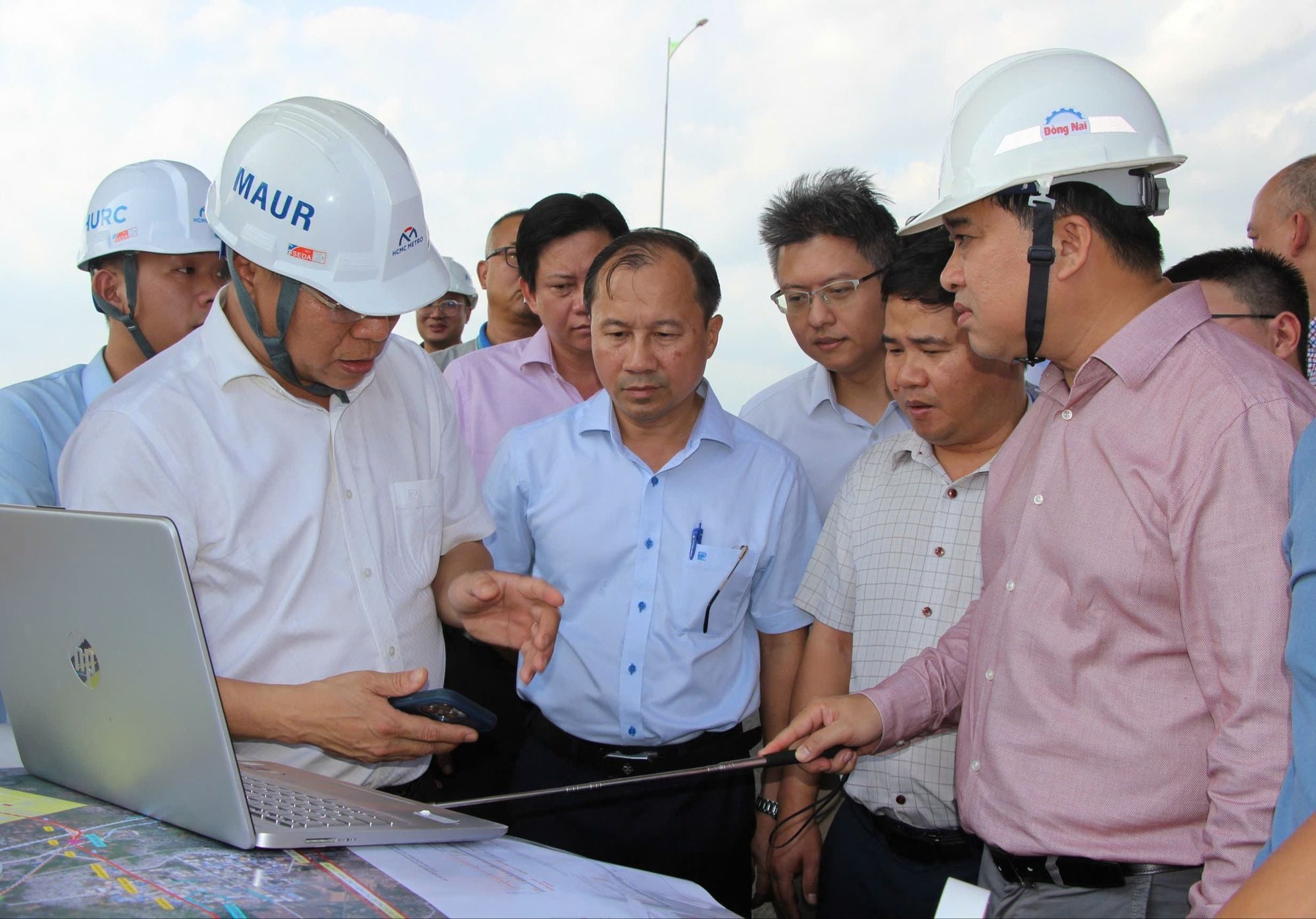
Two metro lines connecting National Highway 51 to Long Thành airport in Đồng Nai Province and Ho Chi Minh City have reached a consensus on the principle of routing into the airport area. On May 12, Deputy Chairman of the Đồng Nai People’s Committee Hồ Văn Hà and the Department of Construction visited the site and held discussions with the Ho Chi Minh City Department of Construction, the Ho Chi Minh City Urban Railway Management Board, and the Long Thành project management unit under ACV to review routing options for the metro connection to Long Thành airport.
The two lines under consideration are the Ben Thanh – Suoi Tien line (Line 1) and the Thu Thiem – Long Thanh line. Authorities agreed on allocating space so that both routes enter the airport area.
Under the proposal, the Line 1 extension from Ben Thanh – Suoi Tien to Long Thành airport would run on the left side of the T1 route as it enters the airport area. The Thu Thiem – Long Thanh line would run on the right side to connect with the passenger terminal area.
The plan calls for extending Line 1 to connect Đồng Nai’s administrative center and Long Thành airport. The route would start from station S0 in Tân Vạn, cross the Đồng Nai River, and run along National Highway 1 to connect to SC station in the new administrative center.
The MRT-type project has an initial estimated investment of about 60,261 billion VND. Compensation and resettlement costs are estimated at around 4,323 billion VND. The expected implementation period is 2025–2029.
The Đồng Nai People’s Committee said improving transport connectivity between Tân Sơn Nhất airport and Long Thành airport is essential to support the future operation of both airports in parallel. When Long Thành airport becomes operational, it is expected to share passengers and cargo with Tân Sơn Nhất.
For the North–South high-speed rail line, Vietnam Airports Corporation has agreed with the Rail Project Management Board on routing, station locations, and infrastructure connections.
Premium gym chains are entering a “golden era” that is ending or already in decline, as rising operating costs collide with shifting consumer preferences toward more flexible, community-based ways to exercise. Long-term memberships are shrinking, margins are pressured by higher rents and facility expenses, and competition from smaller, more personalized…