•
•
•
•
•
•
•
•
•
•
•
•
•
•
•
•
•
•
•
•
•
•
•
•
•
•
•
•
•
•
•
•
•


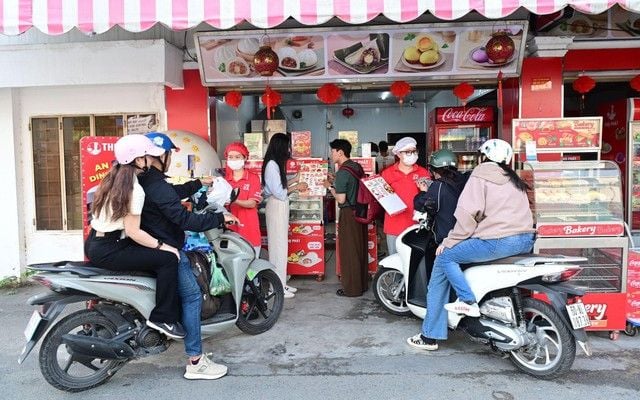
Vietnam’s ready-to-eat (RTE) market is booming. Macroeconomic data indicate the sector is projected to grow about 4.7% from 2025 to 2033, with particularly strong growth in major cities where busy lifestyles prevail. In this context, KIDO Group and the Thọ Phát brand are accelerating market share gains through automation of production processes and rapid expansion of distribution reach. Leap in productivity from automation Shifting to closed plastic tray technology helps Thọ Phát replace older equipment with modern machinery, delivering a leap in labor productivity. At the Hiệp Phước plant, automated packaging lines not only speed time to market but also help the company control product costs while upgrading quality. The move to increase the weight of the buns from 150 g to 160 g is a value-added effort for customers, illustrating cost optimization from a multi-million-dollar line and a deep understanding of consumer needs. Extensive distribution network and miniBAO ecosystem Preservation capability is a critical factor in fresh food. Thanks to a well-structured cold chain and standard plastic trays, shelf life for bánh giò has risen from 20 days to 30 days at 0°C–5°C. This is a key lever enabling Thọ Phát to broaden distribution from urban to rural areas. Currently, Thọ Phát’s products cover over 10,000 outlets nationwide, including traditional (GT), modern (MT) channels and key accounts (KA). Notably, the 300 miniBAO stores—the Thọ Phát distribution network—play a spearhead role in helping products reach consumers anytime, anywhere with the best after-sales service. Leading in the bao and steamed bun market With more than 38 years in the production of bao and steamed buns, Thọ Phat is not limited to meeting domestic demand. The application of European and US export standards is part of the preparation for pursuing international markets. By combining traditional formulas with BPA-free plastic packaging, Thọ Phát is establishing a new standard: food must be delicious, safe, and highly convenient. In a promising RTE market, the company that masters production technology and an effective cold-chain distribution network will hold the keys to sustainable growth.
Premium gym chains are entering a “golden era” that is ending or already in decline, as rising operating costs collide with shifting consumer preferences toward more flexible, community-based ways to exercise. Long-term memberships are shrinking, margins are pressured by higher rents and facility expenses, and competition from smaller, more personalized…