•
•
•
•
•
•
•
•
•
•
•
•
•
•
•
•
•
•
•
•
•
•
•
•
•
•
•
•
•
•
•
•
•


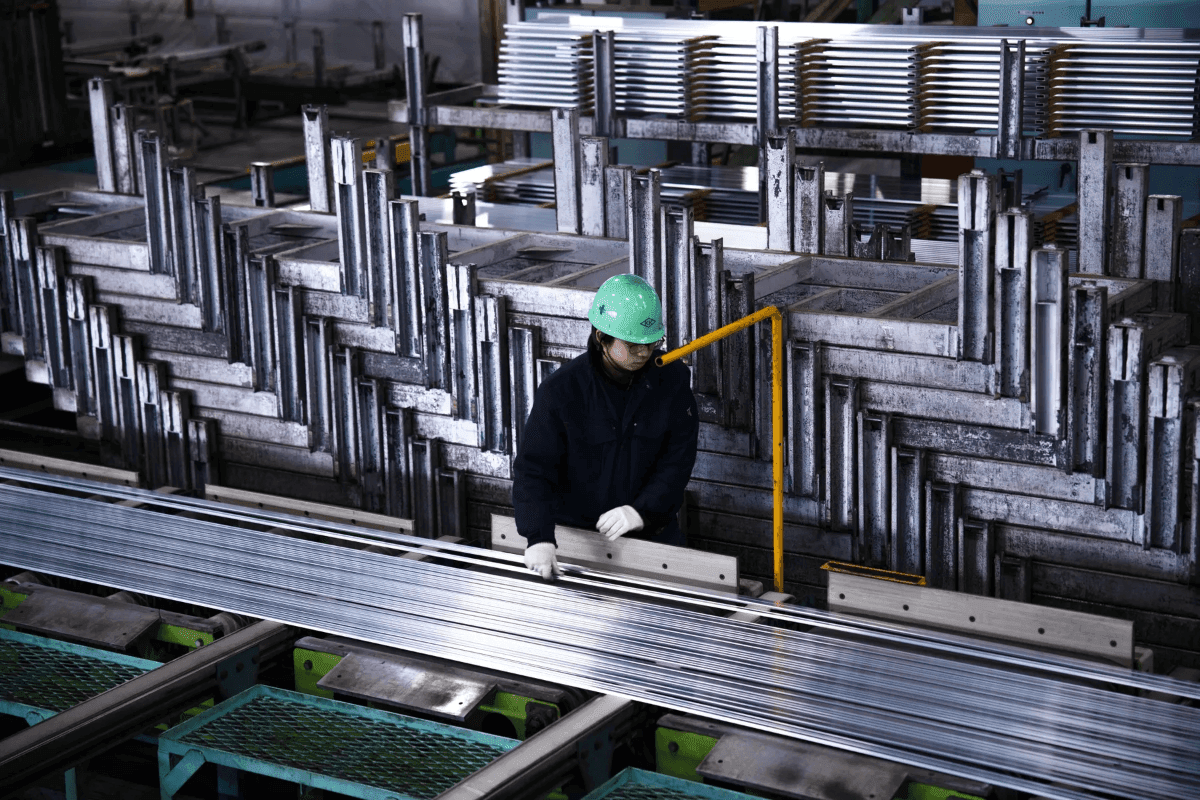
Japan’s aluminum supply reliance on the Middle East is forcing automakers and parts suppliers to scale back production and rapidly seek alternative sources after disruptions linked to the Iran conflict. The pressure has intensified since fighting in Iran began in late February, when aluminum prices rose about 13%.
Bloomberg reported that many Japanese companies are being affected as shipments from the region were severely disrupted. The Japan Automobile Manufacturers Association (JAMA) estimates that about 70% of aluminum imports for Japan’s automotive sector come from the Middle East.
JAMA said the conflict has begun to affect deliveries and supply. Koji Sato, chairman of JAMA and a former CEO of Toyota, said the disruption is already reaching downstream operations.
Major aluminum producers in the Middle East have indicated it will take at least a year to fully restore capacity. Even if the US and Iran reach a peace agreement and the Hormuz Strait reopens, JPMorgan Chase analysts warned last week that shipping activity could take several more months to return to normal.
JPMorgan’s analysts also cautioned that the global aluminum industry has fallen into a “black hole” and would recover slowly.
According to the Japan Aluminum Association (JAA), in 2025 Japan imported about 590,000 tons of aluminum from the Middle East—around 30% of domestic consumption.
Masatoshi Nishimoto, an analyst at S&P Global, said Japan is the country most vulnerable to the risk of an aluminum shortage. Nishimoto also cited Southeast Asia, China and Korea among the nations facing the greatest risk.
Beyond Hormuz Strait disruption, the conflict has damaged some aluminum production facilities in Abu Dhabi and Bahrain in the early stages of the fighting, after Iran attacked neighboring countries in retaliation for US and Israel airstrikes.
Analysts said supply tightness could persist for months after fighting ends because production facilities need time to resume operations and shipping firms must resolve congestion caused by hundreds of ships stuck in the Persian Gulf.
One early example is Kato Light Metal, based in Aichi Prefecture. The company imports about 400 tons of aluminum per month, about half from Dubai and the rest from Australia. While it said Middle East shipments have been disrupted, it reported that current stock is enough to last until the end of May. After that, the company plans to switch to aluminum from a Southeast Asian supplier.
Pressure is also mounting at Denso, Toyota’s supplier. As of late March, Denso and its affiliates had to cut about 20,000 products per month, leading to significant losses.
Most Japanese companies typically maintain only about two months of parts or raw materials. That inventory profile suggests many firms may begin to face supply disruptions from the end of this month or early May.
A Toyota spokesperson declined to comment on aluminum and the risk of supply in the near future but said the company is monitoring the situation closely. Nissan said it is implementing measures including adjusting production and shipping.
Aluminum is the second most widely used metal after steel in automobile manufacturing. It is used in engine components such as pistons, valve covers, body panels and alloy wheels, and it is also widely used in electronics, building materials, beer cans and food packaging.
Analysts said the disruption could also cause shortages of certain specialized aluminum products, forcing some plants to temporarily halt production. As the war drags on, the supply chain could become harder to restore, increasing the risk that Japanese companies face a complete production shutdown.
Japanese manufacturers have begun seeking alternative sources as inventories run down. Koji Iida, a representative of the Japan Aluminum Association, said the situation is especially difficult for small and medium enterprises.




Premium gym chains are entering a “golden era” that is ending or already in decline, as rising operating costs collide with shifting consumer preferences toward more flexible, community-based ways to exercise. Long-term memberships are shrinking, margins are pressured by higher rents and facility expenses, and competition from smaller, more personalized…