•
•
•
•
•
•
•
•
•
•
•
•
•
•
•
•
•
•
•
•
•
•
•
•
•
•
•
•
•
•
•
•
•


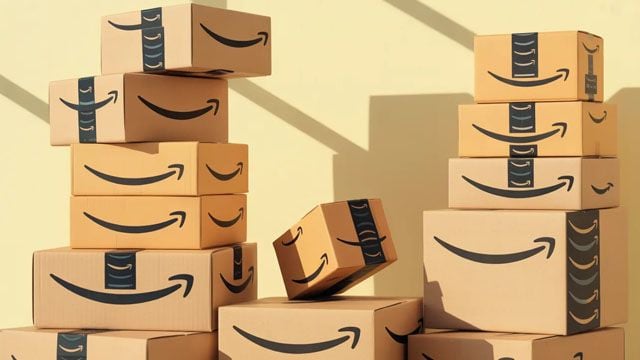
SpaceX is widely expected to deliver the biggest initial public offering in history, but it is not the only company building the space economy. Amazon, through its low Earth orbit satellite initiative Amazon Leo (formerly Project Kuiper), has been expanding its plans and is now set to acquire Globalstar, a move that could strengthen Amazon’s ability to compete with SpaceX’s Starlink.
Amazon agreed to acquire Globalstar for approximately $11.6 billion. Globalstar operates 24 satellites and has agreements to acquire more than 50 additional satellites. The company also holds key radio spectrum licenses, which are important for transmitting data.
Globalstar has an existing relationship with Apple to provide satellite connectivity services for iPhone and Apple Watch emergency services. Under the acquisition agreement, Amazon extended and expanded that deal.
Globalstar’s current satellite fleet is unlikely to move Amazon significantly closer to its goal of deploying over 3,000 satellites for its Leo constellation. Amazon is behind schedule, and its 2020 Federal Communications Commission (FCC) approval requires it to deploy half of its satellites by July 30, 2026.
As of its most recent launch, Amazon has deployed 241 satellites. The company has asked the FCC for an extension.
By comparison, SpaceX has over 10,000 satellites in orbit. For Amazon, the main constraint is launch capacity. While SpaceX launches its own rockets, Amazon is contracting with other companies, which has limited how quickly it can place satellites into orbit.
Globalstar’s spectrum licenses may be the more valuable part of the deal. Once Amazon builds out its constellation, the spectrum could enable faster speeds and direct-to-device service, positioning Amazon Leo to compete more directly with Starlink.
The acquisition could also indicate that Amazon is preparing to accelerate its deployment efforts.
For Amazon investors, the acquisition points to additional spending. Amazon has already outlined planned capital expenditures of $200 billion for the year, which could pressure free cash flow and potentially push it into negative territory for 2026. If Amazon Leo investments increase next year, they could continue to weigh on free cash flow.
Amazon management has expressed confidence in spending for its cloud computing and e-commerce businesses, citing strong returns on invested capital and the tendency for free cash flow to grow larger after heavy investment cycles. However, investment in Leo carries more uncertainty, even though Amazon has existing deals with airlines and wireless carriers for service, as CEO Andy Jassy noted in a recent letter to shareholders.
Overall, investors face increased risk from the expanded satellite spending, though the article notes that Amazon still appears to be a good opportunity at its current valuation.


Premium gym chains are entering a “golden era” that is ending or already in decline, as rising operating costs collide with shifting consumer preferences toward more flexible, community-based ways to exercise. Long-term memberships are shrinking, margins are pressured by higher rents and facility expenses, and competition from smaller, more personalized…




