•
•
•
•
•
•
•
•
•
•
•
•
•
•
•
•
•
•
•
•
•
•
•
•
•
•
•
•
•
•
•
•
•


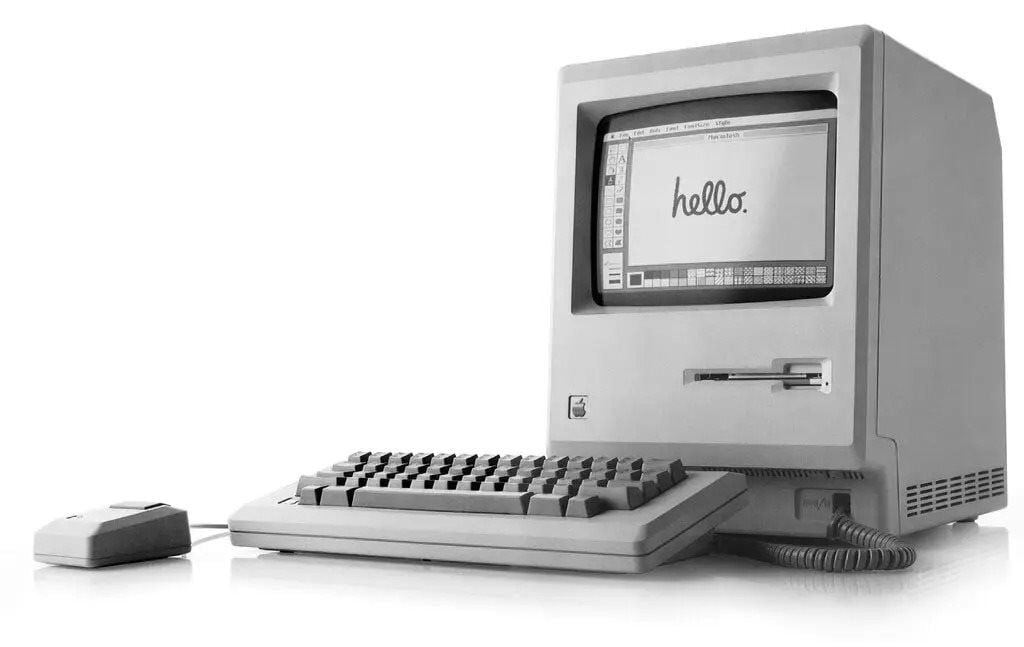
Apple has announced that Tim Cook will resign as chief executive in September, with John Ternus, head of hardware engineering, set to succeed him. The move marks another transition in a leadership role that has historically shaped how the company develops and markets technology.
Hired one year after Apple was founded by Steve Jobs and Steve Wozniak, Michael Scott was brought in as a more seasoned leader. He previously worked at Fairchild Semiconductor and National Semiconductor.
In a 2011 interview with Business Insider, Scott described his role as “handling the details,” including “getting us into production and all the rest of the business operations.”
Mike Markkula was an early angel investor and chairman of Apple’s board, described as the company’s third co-founder alongside Jobs and Wozniak. During his time as CEO, he also contributed technical work, writing early software for the Apple II.
Floyd Kvamme, an early Apple marketing director, said in a 1997 New York Times interview that Markkula “was a tremendous contributor,” but “did not like public appearances” and preferred focusing on the product.
John Sculley joined Apple from Pepsi, where he served as marketing chief and later chairman. Over a decade as CEO, Apple’s revenue rose from $800 million to $8 billion.
His relationship with Jobs deteriorated over management and direction, and Jobs left the company in 1985.
Michael Spindler, previously COO, faced criticism from customers and investors. The article says Apple forecast demand incorrectly, lost market share, and engaged in price competition that eroded profits.
In a 1996 San Francisco Chronicle interview, Spindler said, “My temperament overwhelmed the truths in that situation,” months after the board fired him.
Gil Amelio took over as Apple faced a financial crisis. The article says he cut costs, halted projects including an operating system, and laid off about a third of the workforce.
To address the operating system gap, Apple purchased NeXT—founded by Jobs after he left Apple in 1985—for $427 million.
Steve Jobs returned to Apple in 1997 after being forced out in 1985 following clashes with Sculley. After leaving, Jobs founded NeXT, a computer startup focused on higher education and professionals.
Upon his return, the article says Jobs revived Apple’s fortunes and drove major growth through products including the iMac, iPod, iPad, and iPhone.
After Jobs died in 2011 from cancer, Tim Cook became CEO. Cook joined Apple in 1998 from Compaq and became chief operating officer in 2007.
The article says Cook transformed Apple’s product inventory management and helped build a global supply chain that enabled production of hundreds of millions of devices per year. Under Cook, Apple grew into a $4 trillion company and expanded its Services business.
John Ternus, 50, joined Apple in 2001 and rose through the ranks overseeing the development of the Mac and iPad lines. He became head of Apple’s hardware division in 2021 and will begin serving as chief executive in September.
Source: The New York Times
By: Đại Nghĩa





Premium gym chains are entering a “golden era” that is ending or already in decline, as rising operating costs collide with shifting consumer preferences toward more flexible, community-based ways to exercise. Long-term memberships are shrinking, margins are pressured by higher rents and facility expenses, and competition from smaller, more personalized…