•
•
•
•
•
•
•
•
•
•
•
•
•
•
•
•
•
•
•
•
•
•
•
•
•
•
•
•
•
•
•
•
•



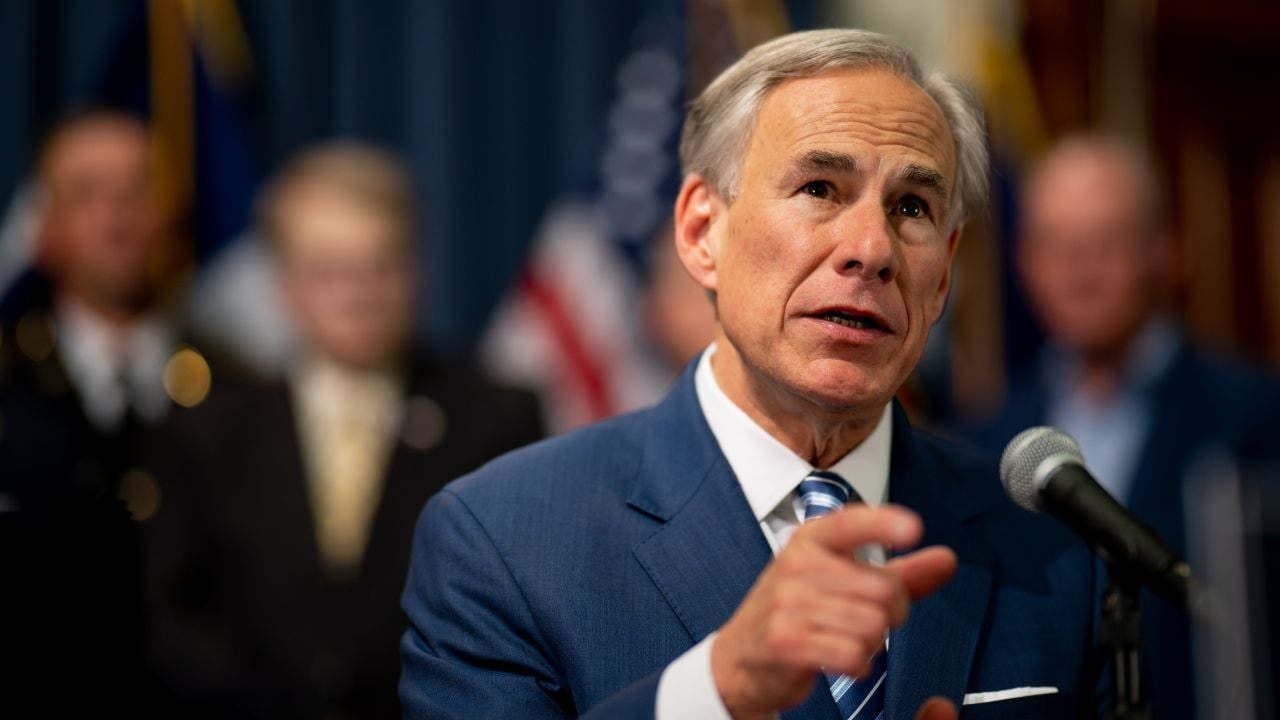
On April 24, Deputy Minister of Justice Nguyen Thanh Tu presided over the meeting of the Policy Appraisal Council evaluating the policy dossier of the draft Real Estate Business Law (amended). At the meeting, representatives from the Ministry of Construction indicated that this revision aims to complete the current regulations related to real estate business, clarify the rights and obligations of market participants, and strengthen the effectiveness of state management in the field. The draft Law centers on four main policy groups. Policy 1 aims to refine the legal framework of the Real Estate Business Law to remove practical obstacles and ensure coherence and consistency with related laws; it seeks to facilitate enterprises, people, and state agencies in applying and enforcing the regulations. Policy 2 focuses on completing the rules on business conditions and administrative procedures in the real estate sector, to build a transparent, open, safe business environment, facilitating enterprises and citizens, while improving state oversight. Policy 3 seeks to完善 the provisions of the Real Estate Business Law on decentralization in real estate business to enable both levels of government to carry out their duties effectively. Policy 4 adds new, development-oriented provisions to promote a healthy and efficient real estate market that benefits society at large. Speaking at the appraisal, the representative from the Ministry of Agriculture and Environment noted that for Policy 1, many land-related issues are already adequately regulated in the Land Law; the drafting agency should continue to review and cross-check to ensure consistency and avoid overlaps with other laws. Regarding Policy 2 on amending provisions related to housing business and existing construction, the representative suggested carefully defining the scope of regulation. Specifically, foreign individuals who do not have land use rights and are not within the Land Law’s scope, and not all foreign organizations are allowed to use land. The modifications should clarify the applicable groups to align with current regulations. Meanwhile, the representative from the Ministry of Finance proposed that the drafters specify the rights and obligations of the involved parties in project transfers or real estate transactions to ensure a legal basis for consistently handling arising situations. Delegates urged the drafters to continue reviewing and harmonizing standardized real estate contracts and transactions to safeguard consumer rights and ensure compatibility with the Civil Code and the Law on the Protection of Consumer Rights. In concluding remarks, Deputy Minister Nguyen Thanh Tu emphasized that the drafting agency should carefully review the scope of the Law and policies to ensure accuracy and sufficiency, avoiding overlaps with related laws such as the Investment Law, the Land Law, and the Enterprise Law. This would guarantee the unity of the legal system. Furthermore, focus should be on addressing practical impediments and gaps, especially regarding market supervision, post-implementation controls, and emerging issues in real estate market management. The deputy minister requested the continuation of dossier refinement, with emphasis on improving the quality of the Policy Impact Assessment Report and the formal submission, ensuring coherence and consistency across the documents in the dossier.

Premium gym chains are entering a “golden era” that is ending or already in decline, as rising operating costs collide with shifting consumer preferences toward more flexible, community-based ways to exercise. Long-term memberships are shrinking, margins are pressured by higher rents and facility expenses, and competition from smaller, more personalized…