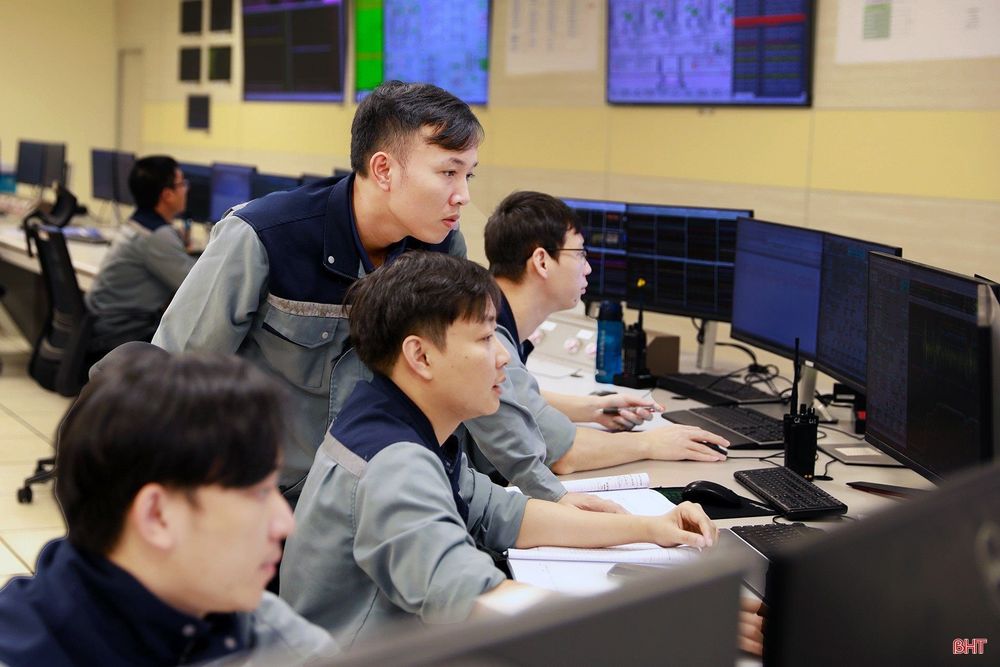
From 00:00 on April 7, 2026, Unit 2 of the Vung Ang II Thermal Power Plant officially began commercial operation. The plant is located in the Vung Ang Economic Zone in Ha Tinh Province.
Unit 2 has a design capacity of over 600 MW, with Unit 1 sharing the same capacity. Together, the two units bring the plant’s total capacity to more than 1,200 MW.
The project uses ultra-supercritical (USC) boiler technology, described as the most advanced option for coal-fired plants in Vietnam. By employing USC technology, the plant is expected to reduce fuel consumption and, in turn, lower emissions during operation.
The BOT Vung Ang II Power Plant (VAPCO), comprising two units, has a total investment of US$2.2 billion and uses imported coal. Sixty percent of VAPCO’s equity is held by Japanese firms, led by Mitsubishi Group, while the remaining 40% is owned by Korea Electric Power Corporation (KEPCO).
Construction began in 2021 under a BOT (Build-Operate-Transfer) model. After more than four years of construction, Unit 1 began commercial operation on July 22 and was inaugurated on September 18.
Vung Ang II is identified as a key FDI project in the Vung Ang Economic Zone and a national energy priority project. Once fully operational, the plant is expected to create jobs for hundreds of highly skilled workers and provide stable revenue for the local budget.
When both units are in operation, the plant is expected to supply about 7.8 billion kWh per year to the national grid and contribute an average of about VND 30 billion per month to the budget.