•
•
•
•
•
•
•
•
•
•
•
•
•
•
•
•
•
•
•
•
•
•
•
•
•
•
•
•
•
•
•
•
•
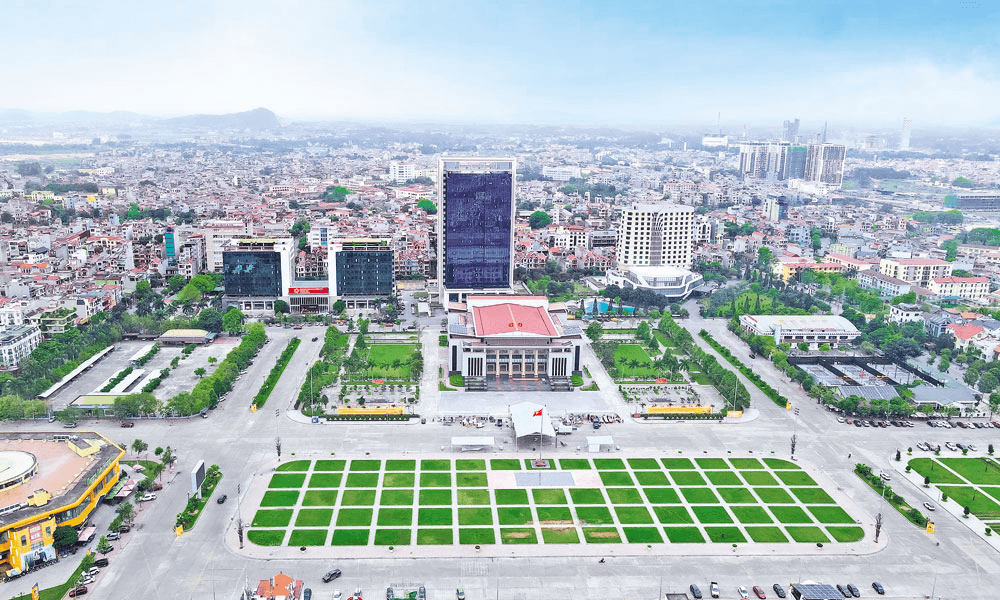
Bac Ninh is accelerating its plan to become a centrally governed city after meeting all seven required criteria. If approved, the province would become Vietnam’s eighth centrally governed city.
On the afternoon of May 4, Pham Hoang Son, Chairman of the Bac Ninh Provincial People’s Committee, chaired a meeting to review the criteria and prepare the Bac Ninh city proposal to become a centrally governed city.
A representative from the Department of Home Affairs said Bac Ninh has satisfied the conditions to become a centrally governed city. The province meets 7/7 standards, including a population of nearly 4 million, a natural area of more than 4,700 square kilometers, an urbanization rate above 55%, and the proportion of wards above 33%.
The representative added that indicators related to economic structure and the level of economic and social development broadly meet the requirements.
For the Type I urban standards group, Bac Ninh currently achieves 13/15 criteria. The remaining two items are being finalized, including:
Bac Ninh also plans to establish 13 additional wards from existing communes. This would raise the total number of commune-level administrative units to 99, comprising 46 wards and 53 communes.
Standing Vice Chairman Mai Son urged relevant departments to accelerate the completion of dossiers, consider hiring professional consultants to improve document quality, and finalize the report for submission to the central government within the next week.
The Chairman said that if the proposal is approved, Bac Ninh would be the eighth locality to become a centrally governed city. He asked agencies to clarify the province’s distinctive advantages in economy, industry, investment attraction, culture, and identity.
Vietnam currently has seven centrally governed cities: Hanoi, Ho Chi Minh City, Hai Phong, Hue, Da Nang, Can Tho, and Dong Nai.
Under its development orientation to 2030, Bac Ninh is set to become the leading electronics and semiconductor industrial center in the country, with sustainable development and a balance between the economy, society, and the environment.
By 2050, the province envisions a green, civilized urban model rich in the Kinh Bac identity, with high living standards and regional competitiveness.
Premium gym chains are entering a “golden era” that is ending or already in decline, as rising operating costs collide with shifting consumer preferences toward more flexible, community-based ways to exercise. Long-term memberships are shrinking, margins are pressured by higher rents and facility expenses, and competition from smaller, more personalized…