•
•
•
•
•
•
•
•
•
•
•
•
•
•
•
•
•
•
•
•
•
•
•
•
•
•
•
•
•
•
•
•
•


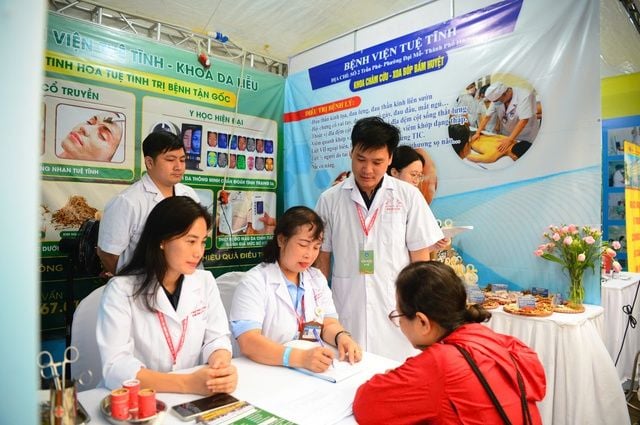
Details of free nationwide health checkups are drawing wide public interest, particularly information about periodic health checks or free screening starting in 2026. The initiative is aimed at addressing the fact that many chronic diseases can progress silently and are often detected only when complications or clear symptoms appear.
Under Directive 17/CT-TTg, the Prime Minister requires implementing periodic health checks or free screening at least once per year nationwide from 2026. By the end of 2026, the policy targets ensuring that every citizen receives periodic health checks or free screening, while also establishing an electronic health record.
The program is designed not only to help people detect early disease risk, but also to build a national health data management system to support comprehensive, lifelong health care.
According to Decision 1272/QD-BYT of the Ministry of Health, periodic health checks or free screening at least once per year will be rolled out in phases and prioritized for groups that need earlier detection, prevention, and treatment to reduce disease burden and medical costs.
Prioritized groups include:
Localities are required to develop plans, segment beneficiaries, and schedule checkups to ensure convenience for residents and avoid overload.
For students, the Ministry of Education and Training is instructed to coordinate with relevant agencies to guide localities and educational institutions to organize periodic free health checks, expected to begin at the start of the 2026-2027 school year.
For workers, agencies, organizations, enterprises and employers are responsible for planning and organizing periodic health checks or free screening annually in accordance with regulations, especially in industrial zones and export-processing zones and for high-risk occupational groups.
A key change is that the Ministry of Health issued Official Dispatch 3401/BYT-KCB dated May 12, 2026, guiding the professional content of periodic health checks. The content is organized by age groups rather than using a single checklist for everyone.
For children under 6, periodic checks follow Decision 1284/QD-BYT dated May 7, 2026, which guides the professional content for early childhood health checks. This group has specific needs related to physical development, nutrition, activity, immunization and early childhood health issues.
For those aged 6 to under 18, the content follows Form No. 02, Appendix XXIV issued with Circular 32/2023/TT-BYT. The checks include physical exams such as height, weight, pulse, and blood pressure; pediatric clinical exams; eyes; ears-nose-throat; dental; and basic ancillary tests performed on indication by doctors, voluntary payment, or depending on local support.
For those aged 18 and older, the content follows Form No. 03, Appendix XXIV of Circular 32/2023/TT-BYT. Citizens will have physical exams and clinical exams across specialties including internal medicine, surgery, dermatology, obstetrics and gynecology, eyes, ENT, and dental, along with some basic ancillary tests.
For female workers, obstetrics and gynecology sub-specialty content under periodic health checks follows Appendix XXV of Circular 32/2023/TT-BYT. It includes obstetrics, cervical cancer screening, breast cancer screening, and ultrasound of the uterus and adnexa.
Some special groups, including officials, school students, those under the Ministry of Defense and Public Security administration, professional drivers, aviation workers, railway workers and seafarers, will follow separate regulations.
Checkups will be organized by localities. People may be checked at commune health stations or accredited clinics. If a commune health station does not meet conditions, other higher-level medical facilities in the area will coordinate, provide professional support, or organize mobile checkups to facilitate access for residents.
There is currently no nationwide unified registration portal. Residents are advised to follow announcements from local authorities, commune health stations, neighborhood committees, schools, or employers.
When going for checkups, people should bring identification documents, and if available, a health insurance card and a VNeID account (if activated), along with documents proving they belong to priority groups.
Premium gym chains are entering a “golden era” that is ending or already in decline, as rising operating costs collide with shifting consumer preferences toward more flexible, community-based ways to exercise. Long-term memberships are shrinking, margins are pressured by higher rents and facility expenses, and competition from smaller, more personalized…