•
•
•
•
•
•
•
•
•
•
•
•
•
•
•
•
•
•
•
•
•
•
•
•
•
•
•
•
•
•
•
•
•


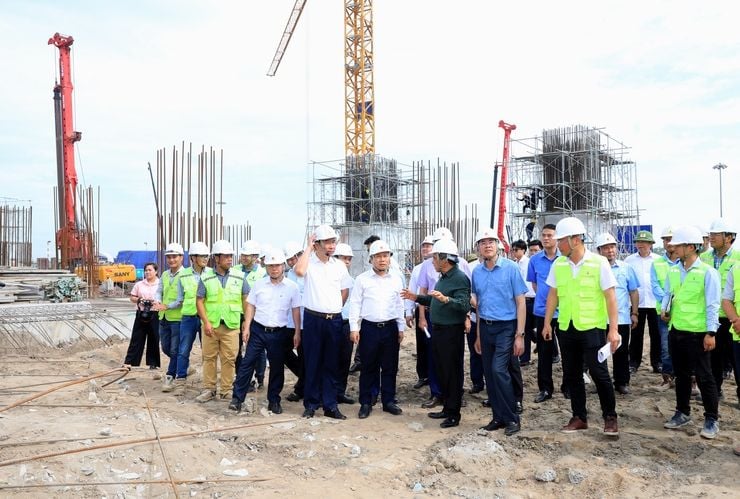
Currently, many components are under construction at the Hung Vuong Stadium complex, a 135,000-seat stadium in Phase B. Hanoi’s leadership said the goal of completing the sports complex within the Olympic Urban Area project (now renamed Hanoi International Sports City) by July 2027 is feasible.
On the morning of May 13, Chairman of the Hanoi People’s Committee Vu Dai Thang inspected the Hung Vuong Stadium site and held discussions with the investor, relevant departments, and local authorities on construction progress.
The Olympic Urban Area project was approved by the Hanoi People’s Committee under Decision 6276/QD-UBND dated December 17, 2025, approving the investor for the project.
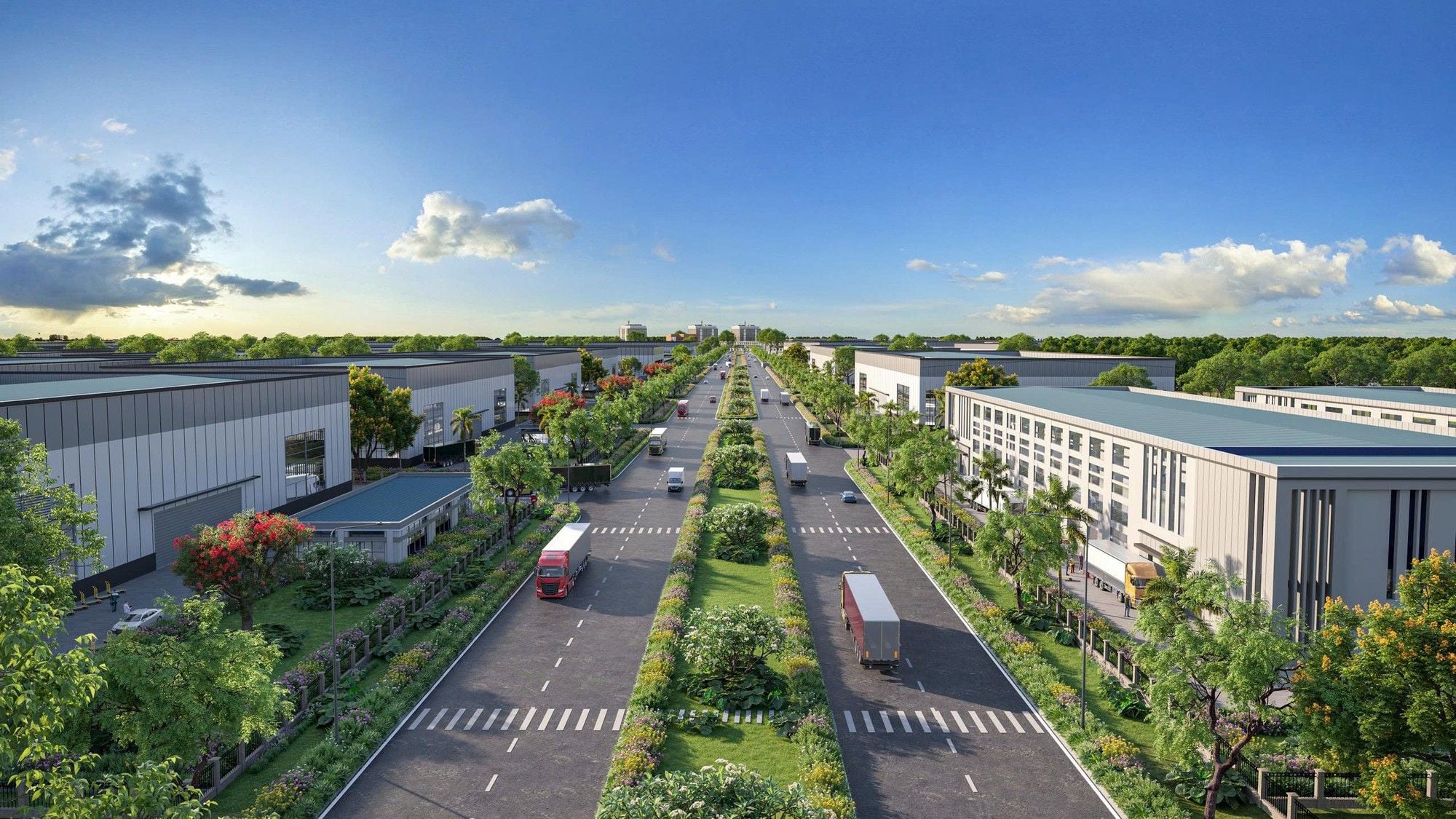
The project covers about 9,171 hectares across 11 wards/communes in Hanoi. It is divided into four functional sub-areas: a TOD urban area connected to Ngoc Hoi Station, a sports urban area, a tourism urban area, and a sports complex.
As planned, Hung Vuong Stadium will have a capacity of about 135,000 seats, with the expectation of becoming the largest stadium in the world upon completion.
Representatives of the investor said units are concentrating resources to build the 135,000-seat Hung Vuong Stadium complex in Phase B, targeting completion by July 2027. They cited progress in foundation work, beam-and-slab work, and concrete pours for columns.
Alongside the main stadium works, transport corridors and supporting infrastructure are being developed, together with landscaping, parking, and preparations for an international hotel.
After the site inspection, Chairman Vu Dai Thang said that although the project has been underway for nearly five months, on-site progress indicates the modern sports complex is taking shape. He said that with the investor’s capacity and cooperation across government levels, the July 2027 completion target is feasible.
Regarding overall project progress, the surveying and land-taking process has been completed across the entire area. Local authorities have held meetings to inform residents about resettlement policies, while land recovery and compensation plans have been approved in certain areas of Phase B.
Authorities are also coordinating work to review, clear, and relocate 500kV electrical corridors, as well as relocating and restoring technical infrastructure.
The investor representative said the project still faces multiple difficulties, including procedures to adjust the investment policy; delays in selecting a contractor to restore infrastructure; a shortage of manpower for land clearance; and encroachment by small businesses around the construction site affecting aesthetics and security.
They also noted that some sections are blocked by issues related to cemetery land, residential land, agricultural land, and irrigation works.
Given these constraints, the investor requested Hanoi to promptly approve the specific investment policy; instruct local authorities to accelerate land clearance and infrastructure restoration; establish a dedicated task force to shorten dossier processing time; and ensure land handover within 2026.
Hanoi plans to complete all land clearance by June 30.
At the meeting, leaders of the communes of Thuong Phuc, Dan Hoa, Thuong Tin, and Tam Hung reported that after the city launched the project, they established steering committees, assigned specific tasks to officers and associations, and intensified propaganda to build public support for land clearance.
They said residents’ awareness has improved due to involvement from city departments and the investor. However, commune leaders also highlighted difficulties related to service land policies, grave relocation, resettlement arrangements, and unresolved legal documents for long-standing residential land.
The communes requested continued guidance from the city, faster land clearance, and support for infrastructure investment, cultural facilities, transportation, and vocational training to ensure livelihoods after land is recovered.
Hanoi’s leadership called on localities to mobilize the entire political system to speed up land clearance, expand information campaigns to secure broad consensus from residents, and minimize forced relocation once policies are in place and appropriate.
Premium gym chains are entering a “golden era” that is ending or already in decline, as rising operating costs collide with shifting consumer preferences toward more flexible, community-based ways to exercise. Long-term memberships are shrinking, margins are pressured by higher rents and facility expenses, and competition from smaller, more personalized…