•
•
•
•
•
•
•
•
•
•
•
•
•
•
•
•
•
•
•
•
•
•
•
•
•
•
•
•
•
•
•
•
•


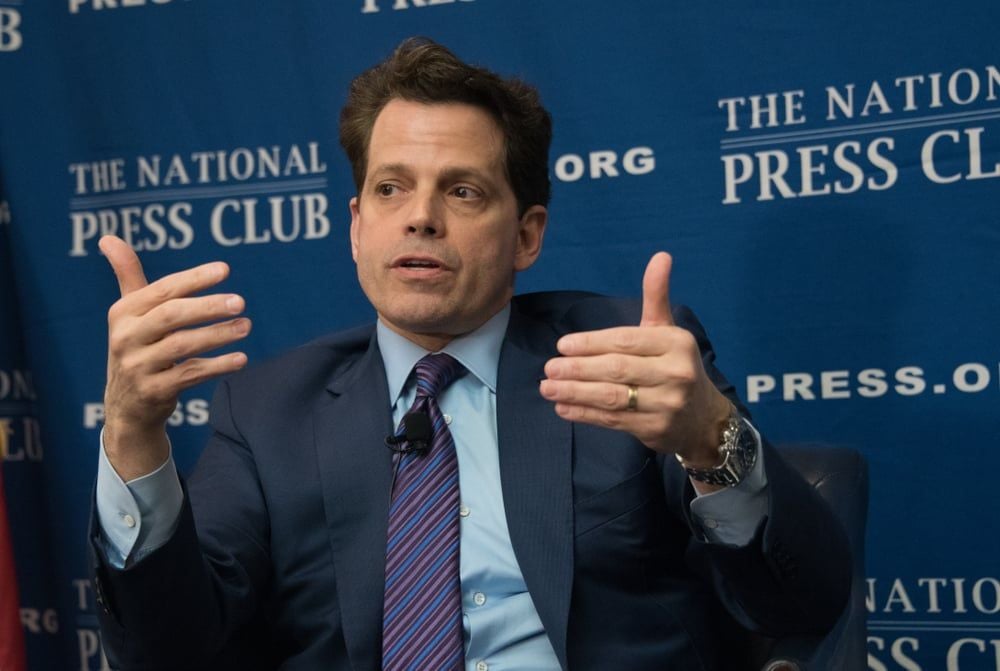
Anthony Scaramucci, founder of global investment firm SkyBridge Capital, said on Sunday that Bitcoin fulfills all the requirements of a proper money system, reinforcing his bullish outlook for the leading cryptocurrency.
In an X post, Scaramucci argued that Bitcoin’s credibility is rooted in decentralization and the absence of a central authority. He compared the acceptance of fiat currency to the trust people place in it, saying a “dollar bill is made of linen and cotton” but is accepted because people trust it.
Scaramucci said Bitcoin has developed a similar trust framework over time, describing it as “decentralized, no central authority, no single point of failure.” He added that Bitcoin is increasingly viewed as part of the model portfolio for both individuals and institutions worldwide.
Scaramucci also emphasized Bitcoin’s scarcity narrative, citing its 21 million supply cap. He further claimed that Bitcoin is “faster to move and easier to store” than gold, arguing that it meets the characteristics that have historically defined money.
“Every characteristic that has defined money throughout human history — Bitcoin checks every single box,” he said.
Not everyone agrees. Economists Tony Annett disputed Scaramucci’s assessment, arguing that Bitcoin does not function effectively as a medium of exchange, unit of account, or reliable store of value.
Bitcoin’s usage in payments has been a key point in the debate. According to data from Coingate, Bitcoin was the most used cryptocurrency for payments, accounting for 44% of all transactions between 2014 and 2025.
Separately, a February report by CoinLaw said roughly 39% of U.S. merchants accept cryptocurrency payments, with around 2,300 businesses directly accepting Bitcoin.
At the time of writing, BTC was trading at $74,499.77, down 1.62% over the last 24 hours, according to Benzinga Pro.
Premium gym chains are entering a “golden era” that is ending or already in decline, as rising operating costs collide with shifting consumer preferences toward more flexible, community-based ways to exercise. Long-term memberships are shrinking, margins are pressured by higher rents and facility expenses, and competition from smaller, more personalized…