•
•
•
•
•
•
•
•
•
•
•
•
•
•
•
•
•
•
•
•
•
•
•
•
•
•
•
•
•
•
•
•
•


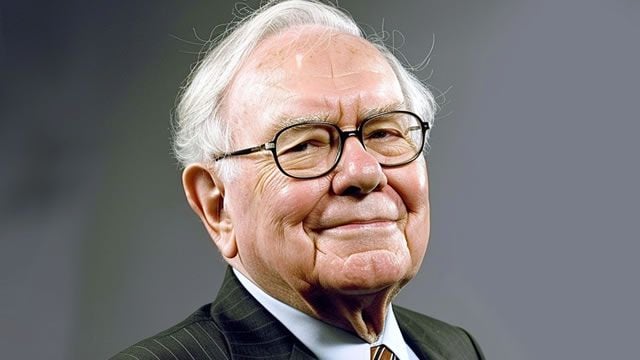
Warren Buffett said in a CNBC interview on March 31 that he still goes to Berkshire Hathaway’s headquarters every day and remains involved in investment work, while also emphasizing that new CEO Greg Abel has the final say on capital allocation.
In the interview, Buffett confirmed that he continues to attend the office daily. When asked whether he is still involved in making investments, Buffett replied: “Yeah, but I won’t make any that Greg thinks are wrong.”
Buffett’s response underscored three key points about how Berkshire operates now. First, he indicated that he is still actively engaged in investment analysis rather than simply performing an advisory or ceremonial role. Second, he reinforced Abel’s authority as the ultimate decision-maker. Third, the comments suggested a two-lead investment process in which major decisions reflect input from both Buffett and Abel.
The interview also highlighted Berkshire’s continued discipline around valuation and business understanding. Buffett indicated that Berkshire will continue to invest only when valuations are attractive and when the company’s leadership understands the underlying businesses.
Supporters of the strategy point to Berkshire’s historical performance under Buffett. The article cites a cumulative gain of 6,099,294% from 1965 to 2025, described as 132 times greater than the cumulative gain of the S&P 500 over the same period.
The article links Berkshire’s outlook to its large cash reserves. It states that at the end of 2025, Berkshire’s cash position was $373 billion. Buffett also described the cash stockpile as “not much different than before,” adding that it is “probably north of $350 billion in cash and Treasury bills.”
Overall, Buffett’s remarks were presented as a signal to shareholders that Berkshire has “the best of both worlds”: Buffett’s long-standing investing judgment alongside Abel’s operational leadership, supported by a substantial cash and Treasury bills balance.








Premium gym chains are entering a “golden era” that is ending or already in decline, as rising operating costs collide with shifting consumer preferences toward more flexible, community-based ways to exercise. Long-term memberships are shrinking, margins are pressured by higher rents and facility expenses, and competition from smaller, more personalized…




