•
•
•
•
•
•
•
•
•
•
•
•
•
•
•
•
•
•
•
•
•
•
•
•
•
•
•
•
•
•
•
•
•



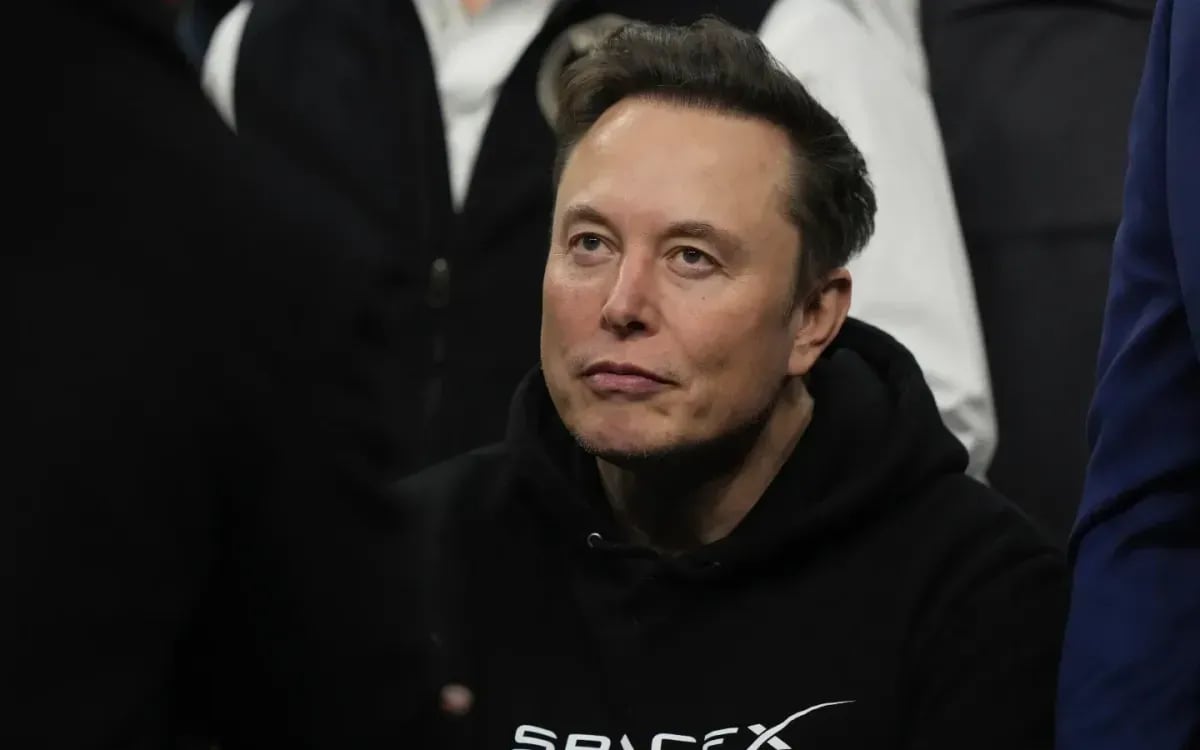
Elon Musk’s lawsuit against Sam Altman and OpenAI is set to go to trial on Monday, with a jury of nine Californians tasked with deciding whether Altman and Greg Brockman deceived Musk about OpenAI’s move toward a for-profit structure.
Musk argues that Altman and Brockman effectively turned OpenAI into a for-profit company, a change he says undermined the original nonprofit mission. OpenAI, by contrast, says Musk is motivated by jealousy and that he agreed OpenAI needed a for-profit arm to fund the computing power required for its work.
Musk’s complaint centers on the period when OpenAI was still being formed and early decisions about its corporate structure. He says his name and time—and about $40 million in contributions over the years—were crucial to making the nonprofit viable. Musk also says he helped shape OpenAI’s early direction, including coming up with the name OpenAI and helping recruit Ilya Sutskever from DeepMind, which OpenAI viewed as a for-profit rival.
According to Musk, Altman and Brockman later “circumvented” him to build a for-profit arm that partnered with Microsoft, creating what he describes as a market-paralyzing outcome that became effectively a Microsoft subsidiary based on Musk’s contributions.
OpenAI’s account differs sharply. In court filings, OpenAI says Musk’s lawsuit is an attempt to hinder OpenAI while his own company, xAI, lags behind. OpenAI says Musk agreed OpenAI needed a for-profit arm to finance the computing power required to advance its mission. It also says that when other OpenAI executives and board members refused to give Musk the control he demanded, Musk quit the board.
The jury will focus on Musk’s grievances against Altman, including whether Altman deceived Musk about plans for OpenAI’s for-profit direction.
The case has also highlighted questions about trust and governance in Big Tech—specifically whether individuals with personal flaws can be relied upon to manage companies with enormous technological power.
The litigation has produced emails, depositions, and other records that provide a detailed look at OpenAI’s origins and early internal dynamics. The records, as described in the reporting, depict efforts to create a publicly beneficial counterweight to DeepMind, which the founders feared could become too powerful if held by a private company.
The records also describe Musk’s involvement in building a relationship between OpenAI and Microsoft, including an assertion that Musk preferred Microsoft over Amazon as a partner.
They further reflect internal conflict as OpenAI grew, including references to journal entries attributed to Brockman. One September 2017 entry, obtained by Musk’s lawyers, is described as musing about ousting Musk and making $1 billion for himself. Another entry two months later is described as acknowledging that changing OpenAI’s corporate structure could be viewed as deceptive.
In addition to Musk, Altman, and Brockman, the witness list includes executives expected to testify about OpenAI’s internal decision-making and relationships with partners.
Since Musk sued Altman more than two years ago, xAI has absorbed Musk’s social media company, X, and later became a subsidiary of SpaceX, which filed for an initial public offering. Musk’s lawsuit accuses OpenAI of effectively becoming a for-profit subsidiary of Microsoft, but the relationship between the companies has evolved, including OpenAI’s later deals with Amazon and other companies to diversify funding sources.
OpenAI also completed a recapitalization in October that restructured its for-profit arm into a public benefit corporation while leaving its nonprofit in charge—an outcome Musk asked the court to stop.
Musk has asked Judge Yvonne Gonzalez Rogers to sideline OpenAI in the AI arms race and ensure it remains neutral. He wants the judge to reverse OpenAI’s corporate transformation, remove Altman and Brockman from leadership, and require disgorgement of gains from OpenAI’s for-profit operations.
Gonzalez Rogers said she would determine remedies at a later stage if the jury finds Altman, Brockman, and OpenAI liable. If the jury finds Altman not liable, it would indicate that nine ordinary people in California would have found him trustworthy, at least with respect to the allegations brought in the case.

Premium gym chains are entering a “golden era” that is ending or already in decline, as rising operating costs collide with shifting consumer preferences toward more flexible, community-based ways to exercise. Long-term memberships are shrinking, margins are pressured by higher rents and facility expenses, and competition from smaller, more personalized…