•
•
•
•
•
•
•
•
•
•
•
•
•
•
•
•
•
•
•
•
•
•
•
•
•
•
•
•
•
•
•
•
•


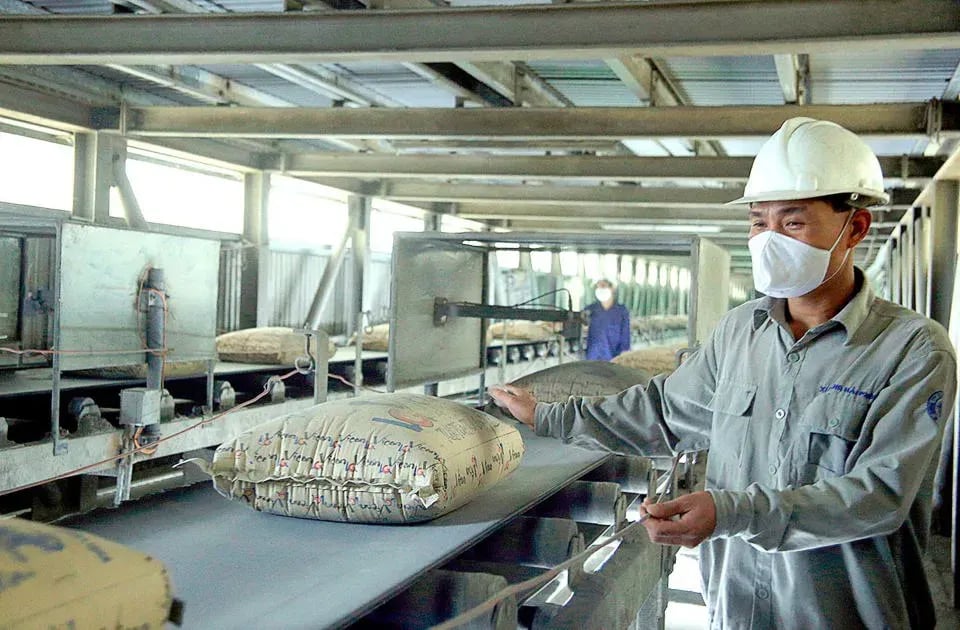
Vietnam is entering a pivotal phase to establish a transparent carbon market, supported by a strengthening legal framework and assistance from international partners. The move is expected to help enterprises optimize costs and access green finance as the country prepares to pilot carbon quotas.
At a forum in Hanoi on April 17, 2026, the Vietnam Chamber of Commerce and Industry (VCCI) discussed progress on completing policies and boosting enterprise capacity to participate in the carbon market. The event was technically supported by the Australian Department of Foreign Affairs and Trade (DFAT) and Aus4Growth.
Hoang Quang Phong, Vice Chairman of VCCI, said Vietnam’s carbon market roadmap is accelerating through an increasingly complete set of legal documents. He cited the foundation laid by Decree No. 06/2022/ND-CP and subsequent regulations, including:
Phong emphasized that the carbon market is not only a mechanism to pay for emissions. It is also intended to recognize early adopters of clean technology, where carbon credits function as an economic asset reflecting governance effectiveness and enterprise innovation.
Pham Nam Hung, representative of the Climate Change Department, Ministry of Agriculture and Environment, said Vietnam has prepared for building and operating the carbon market in alignment with greenhouse gas reduction commitments and sustainable development goals.
Hung noted that the government began laying groundwork for emission reductions as early as 2012–2013. By 2015, Vietnam made its first international commitment to reduce greenhouse gas emissions, and by 2021 it raised its commitment to net-zero emissions by 2050, reflecting a shift from adaptation to a more proactive contribution to global climate efforts.
Cecilia Brennan, Economic Attaché at the Australian Embassy and representative of the Australian Department of Trade and Foreign Affairs, said Vietnam has made significant progress on institutional foundations and is at a critical moment to move toward practical deployment.
Brennan said Australia and Vietnam share a joint commitment to net-zero by 2050, and that cooperation in climate, environment, and energy is a cornerstone of the bilateral relationship. She cited Australian support through multiple technical and financial platforms, including the Aus4Growth program, which has provided almost AUD 10 million since 2016. In 2022, Aus4Growth rolled out multi-bilateral initiatives to test new models in voluntary carbon markets, including nature-based solutions and low-emission rice production in the Mekong Delta.
Brennan also referenced the Australia Climate Finance Partnership (ACFP), which provided favorable financing for Vietnamese enterprises to deploy electric bus fleets, and supported VPBank’s loan-guarantee fund to promote sustainable infrastructure. She added that the Aus4Innovation program, with a budget of AUD 33.5 million, is driving climate-smart agriculture in Vietnam.
At the policy and institutional level, Brennan said cooperation with partners such as UNOPS to implement the Energy Transition Partnership provides support across policy, legal, technical, financial, and capacity-building areas.
She noted that nearly one-third of global emissions are covered by carbon pricing mechanisms. While carbon pricing is effective, Brennan cautioned that integrity, transparency, and project quality requirements are increasing. For Vietnam’s carbon market pilot, she said helping enterprises understand and adapt to technical standards is essential, and that the transition creates opportunities for innovation, investment, and confidence to participate in both domestic and international carbon markets.
To prepare for participation, Mr. Do Thanh Lam, representative of the Legal Affairs Department, Ministry of Finance, recommended that relevant parties proactively prepare across legal readiness, governance capacity, and technical infrastructure.
For enterprises allocated greenhouse gas emission quotas or holding carbon credits, Lam advised conducting thorough studies of relevant regulations to build a systematic quota-and-credits governance plan. He also said enterprises should enhance market participation capacity and develop a trading strategy to optimize compliance costs.
The discussion highlighted that success in Vietnam’s market-based climate actions depends on policy alignment, corporate readiness, and international cooperation. It also pointed to the role of an effectively functioning carbon credit system in mobilizing financial resources, supporting emissions reductions at reasonable costs, improving enterprise competitiveness, and contributing to sustainable development and Vietnam’s long-term climate goals.








Premium gym chains are entering a “golden era” that is ending or already in decline, as rising operating costs collide with shifting consumer preferences toward more flexible, community-based ways to exercise. Long-term memberships are shrinking, margins are pressured by higher rents and facility expenses, and competition from smaller, more personalized…


