•
•
•
•
•
•
•
•
•
•
•
•
•
•
•
•
•
•
•
•
•
•
•
•
•
•
•
•
•
•
•
•
•
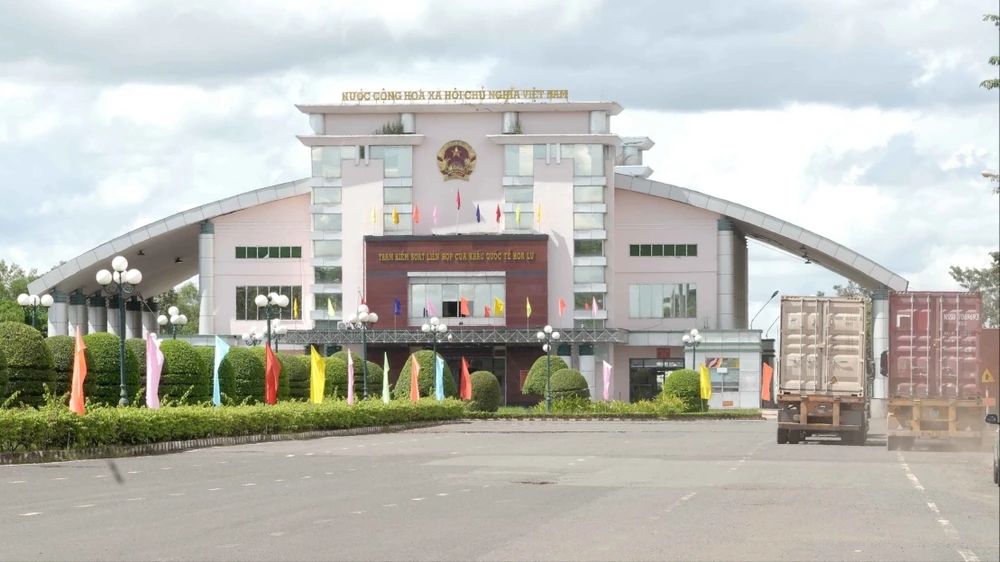
Since the beginning of May 2026, Cambodian authorities have implemented stricter controls on imported goods at border checkpoints, a change that is lengthening customs clearance times and creating operational challenges for goods exported from Vietnam.
According to the Vietnam Trade Office in Cambodia, from May 2, 2026, Cambodian border gates tightened clearance procedures for imported goods from all countries, including Vietnam.
Under the new rules, only shipments with the full set of valid documents are allowed to pass. The required paperwork includes a certificate of origin (C/O), sanitary certification, and other sector-specific documents related to the characteristics of each shipment.
The control measures are not limited to border posts. Mobile customs units have also been deployed to check vehicles that have already completed clearance procedures as they move deeper into Cambodian territory.
Beyond administrative burdens, transport and export companies are facing cost pressures. In Q1 2026, overall transport costs increased significantly, partly attributed to fuel price fluctuations and adjustments to various taxes and fees.
Cambodian authorities have also intensified penalties for oversized and overweight trucks. As a result, many Cambodian partners have suspended contracts for shipments from Vietnam, as importers struggle to adapt to new taxes, fees, and stricter procedures.
The Vietnam Chamber of Commerce and Industry (the Vietnamese representative office in Cambodia) said the tightening of border-management measures is part of the 2026 action program of the Cambodian General Department of Customs and Excise.
The chamber said the policy aims to curb tax evasion and trade fraud, encourage voluntary compliance by enterprises, improve management of imported goods and distribution, and support product quality to protect consumer rights. It also seeks to strengthen self-supervision, detect violations, and raise discipline within customs authorities.
The new policy is expected to increase volatility in the supply and prices of consumer goods in Cambodia in the near term.
For two-way genuine trade, Cambodia still allows normal clearance, but it takes longer. However, the value of exports to the Cambodian market may decline, particularly for products that previously depended on flexibility at secondary border gates to meet consumer demand.
For shipments that do not have sufficient documents, exporters face a dilemma: customs clearance is not possible, while returning to Vietnam may be costly.
In response, the Vietnam Embassy in Cambodia urged local authorities, associations, and enterprises to plan proactively, monitor border developments closely, and adjust production and business plans in a timely manner.
The embassy also called for standardizing documentation, ensuring exports have proper paperwork, and maintaining quality controls and packing standards to avoid unnecessary losses.
Over the longer term, enterprises are encouraged to shift from informal cross-border trade to formal channels, meeting increasingly stringent management requirements in the host country to support sustainable development.
Premium gym chains are entering a “golden era” that is ending or already in decline, as rising operating costs collide with shifting consumer preferences toward more flexible, community-based ways to exercise. Long-term memberships are shrinking, margins are pressured by higher rents and facility expenses, and competition from smaller, more personalized…