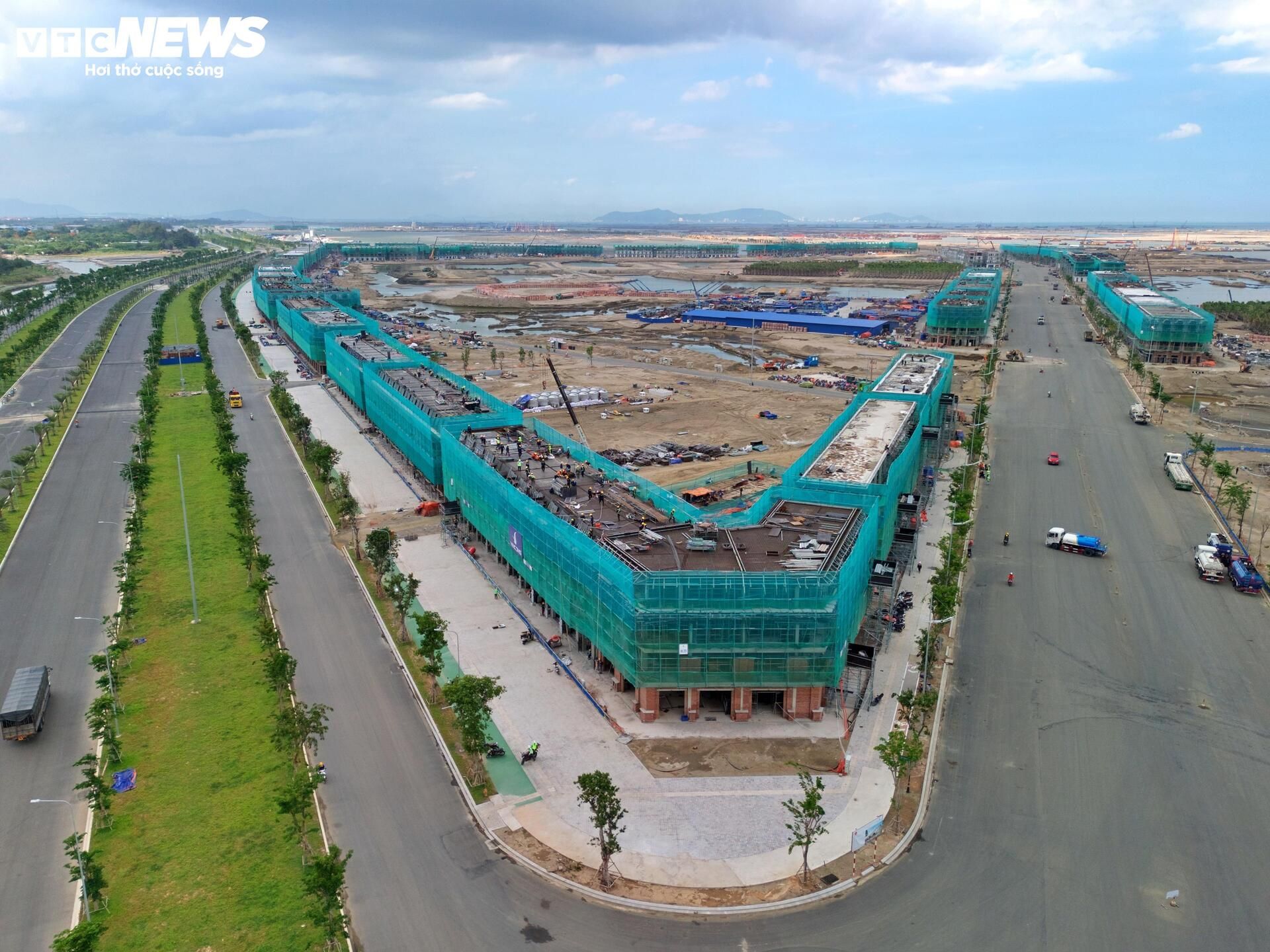
As of July 6, 2026, at 11:00, the Vinhomes Green Paradise Can Gio urban area is gradually emerging, with infrastructure, roads and the first works taking shape along the shallow coastal area.
The project began on April 19, 2025, aligning with Ho Chi Minh City’s plan to expand its development space. After more than a year of implementation, the land-reclaimed Can Gio area has transformed significantly, turning into a large construction site with multiple components being developed concurrently and forming the initial silhouette of a seaside city of substantial scale.
In the Can Thanh area toward Dong Tranh cape, the entire land-reclaimed stretch along about 12 km of coastline has undergone substantial changes since the project began. Areas that were formerly water and tidal flats have been bounded, raised, and are gradually forming an engineering infrastructure system. Many roads have been opened, or the base has been completed, creating a transport network within the project and connecting components. Compared with images from more than a year ago, the site shows clear progress with coastal spaces previously exposed to water now bustling with construction, and low-rise buildings and the first housing blocks appearing as functional sub-areas of the seaside city.
One notable component under construction is Era Avenue—the project’s main axis, about 12 km long and 120 m wide. Along both sides, thousands of trees are being planted and cared for, gradually forming the landscape for the city’s future.
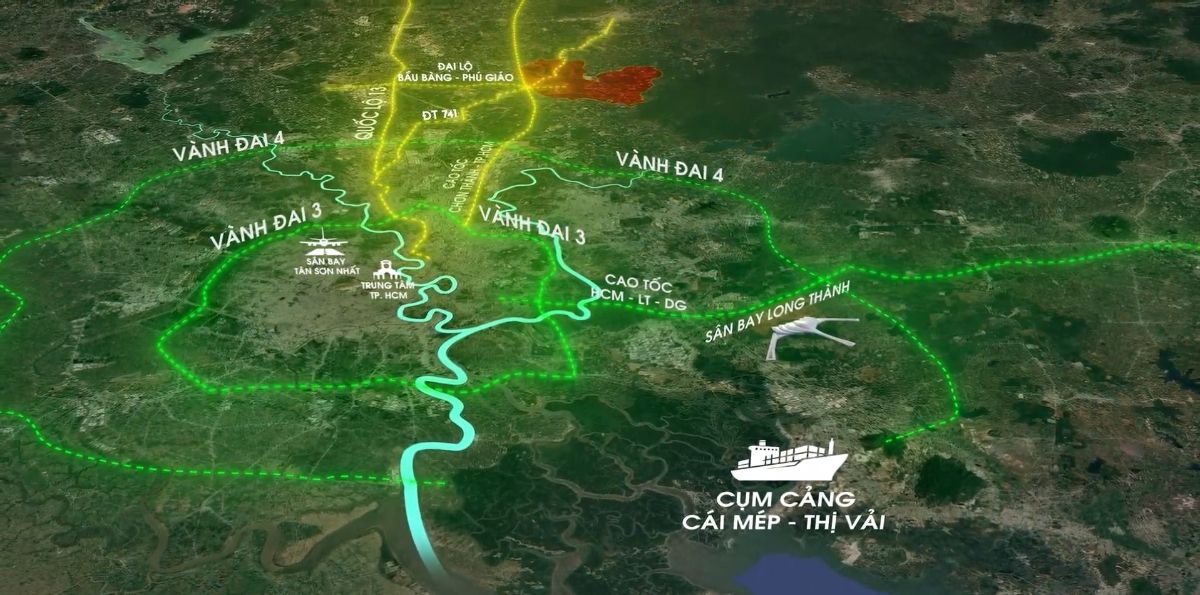
Formation of Vinhomes Green Paradise is expected to create a new growth driver for the southern area of Ho Chi Minh City and connect with a large-scale infrastructure network being invested in and planned.
When these projects are completed, connectivity between Can Gio and Ho Chi Minh City’s city center and nearby provinces will improve, creating favorable conditions for socio-economic development and forming a growth pole in the southern region.
After more than a year of development, the land-reclamation area has gradually formed a new land with increasingly complete infrastructure, signaling progress and laying the groundwork for urban development at Ho Chi Minh City’s gateway to the sea in the coming years.