•
•
•
•
•
•
•
•
•
•
•
•
•
•
•
•
•
•
•
•
•
•
•
•
•
•
•
•
•
•
•
•
•


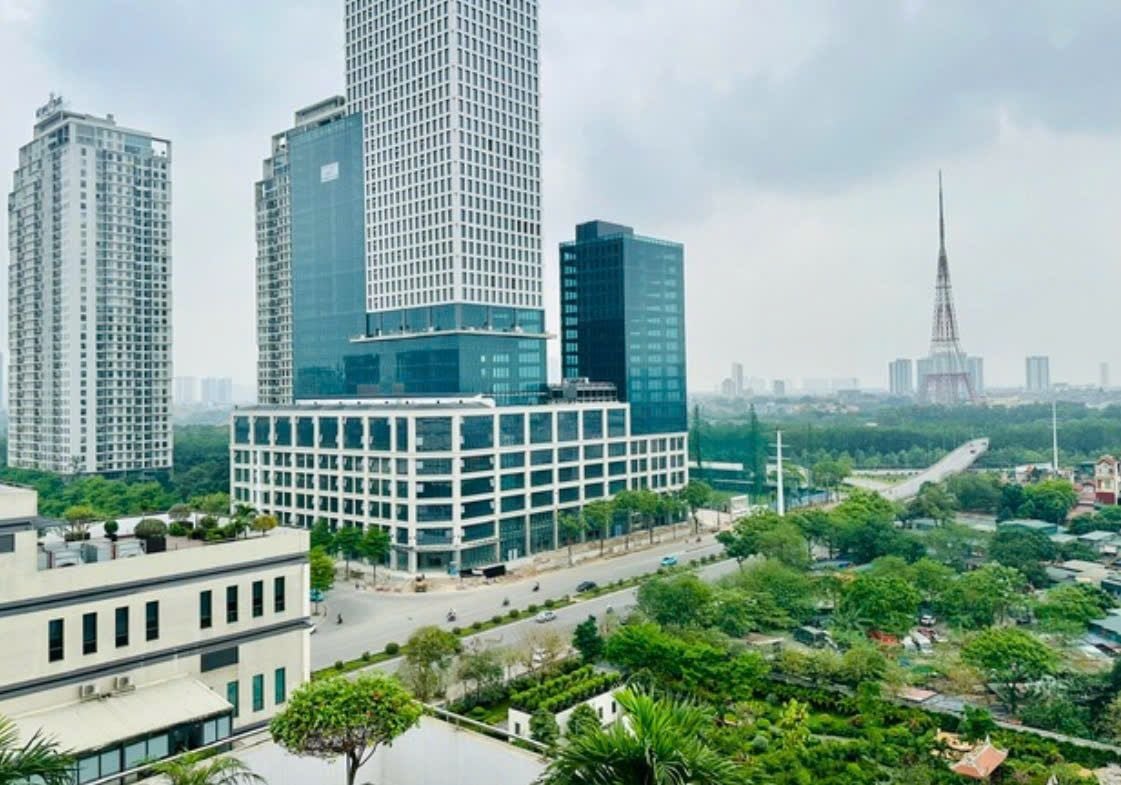
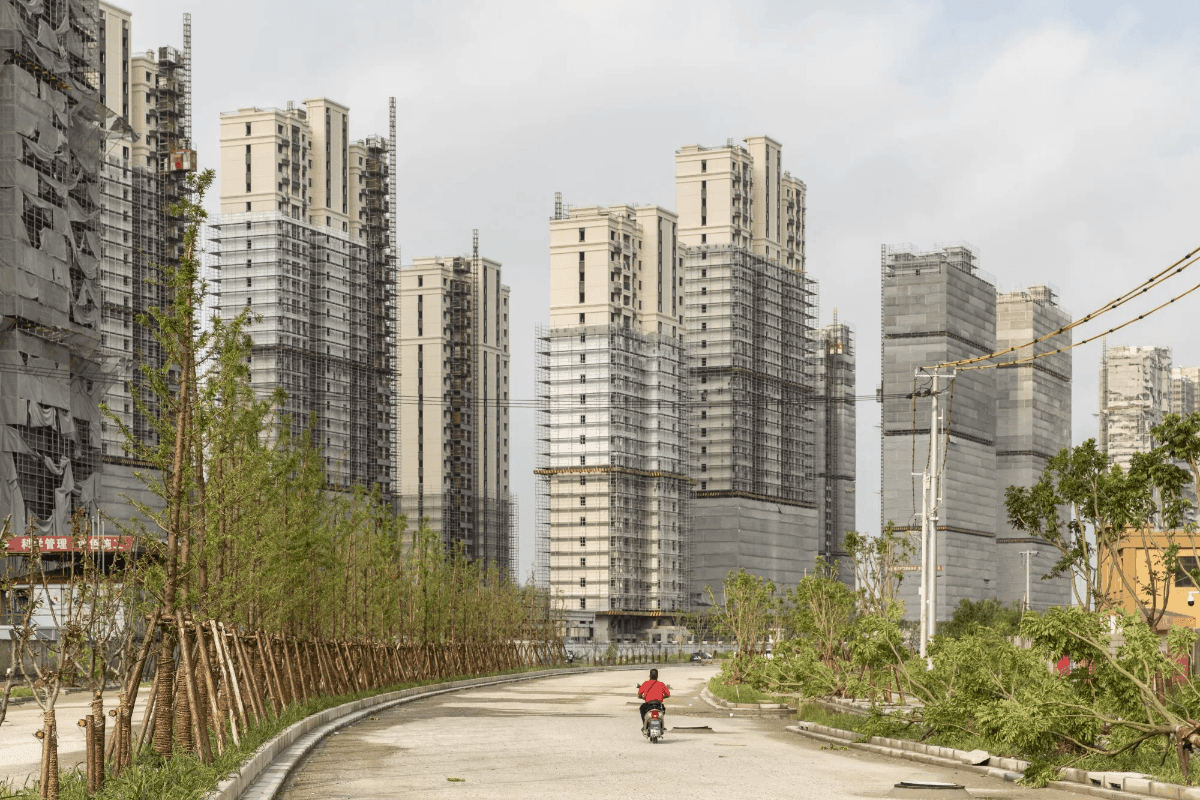
On the market, real estate capital is shifting clearly toward areas with real housing demand and price appreciation potential linked to infrastructure. In large cities and in places benefiting from connecting projects such as ring roads, metro, or rail, liquidity remains positive… Illustration image. Research data from the Vietnam Real Estate Market Assessment Institute (VARS IRE) shows the Vietnamese real estate market is undergoing a “healthy cleansing” process, with clear shifts in both investor behavior and the market’s dynamics. If previously the common sentiment was fear of missing opportunities and pouring money into short-term price increases, buyers today are more cautious, selecting more carefully. In addition to legal considerations and the developer’s capability, the ability to exploit assets, liquidity, and sustainable growth potential of real estate are increasingly emphasized. Moreover, according to VARS IRE, capital flow in the real estate market tends to move more strongly toward areas with real demand, real housing potential, and prospects for value appreciation linked to infrastructure. In major cities with high housing demand, as well as in regions newly benefiting from the connected infrastructure being formed, especially ring roads, metro, and high-speed rail projects scheduled for deployment or coming into operation, liquidity remains at positive levels. Ms. Pham Thi Miền, Vice-President of VARS IRE, says: the market is shifting from broad growth to depth growth, from price-rise expectations to focus on real value. In the new context, factors such as transparent legal framework, location tied to infrastructure, planning quality, developer credibility, operational capacity, and real-world exploitation efficiency will play decisive roles in real estate value. In other words, the current screening process is a necessary condition for the market to operate more transparently, more professionally, and more sustainably in the long term. Also, looking to the medium and long term, although the real estate market will continue to grow, it will be growth under a more stringent selective state. The primary driver for this cycle comes from the process of completing and harmonizing the legal framework on land, housing, and real estate business. This not only provides a basis to resolve difficulties for projects already under way but also opens the door for new projects, while functioning as a natural filter to gradually eliminate weak developers, those lacking financial capacity or implementation capability, or failing to meet market transparency requirements. Additionally, infrastructure remains the foundational driver reshaping the development space of the real estate market. Accelerating investment in North–South expressways, ring roads, metros, high-speed rail, airports, and logistics systems will create new growth poles and reposition real estate values in areas that directly benefit. Projects such as Long Thanh airport, Gia Binh airport, Ring Roads 3 and 4, Hanoi–Quang Ninh high-speed rail, Ben Thanh–Cần Giờ, or major logistics corridors… not only improve connectivity but also lay the groundwork for the formation of large-scale urban areas that are integrated and better planned. Notably, with the central government's medium-term public investment cap for 2026–2030 expected to reach 8.22 quadrillion dong, 2.7 times that of 2021–2025, infrastructure will become a very strong driver for both the economy and the real estate market. Along with macroeconomic variables, especially the trajectory of interest rates, these factors will continue to play a key role in shaping capital costs, risk appetite, and investors’ return expectations, thereby determining the pace and scale of capital re-entry into the market and acting as a “transmission driver” to propel the real estate cycle.

Premium gym chains are entering a “golden era” that is ending or already in decline, as rising operating costs collide with shifting consumer preferences toward more flexible, community-based ways to exercise. Long-term memberships are shrinking, margins are pressured by higher rents and facility expenses, and competition from smaller, more personalized…