•
•
•
•
•
•
•
•
•
•
•
•
•
•
•
•
•
•
•
•
•
•
•
•
•
•
•
•
•
•
•
•
•


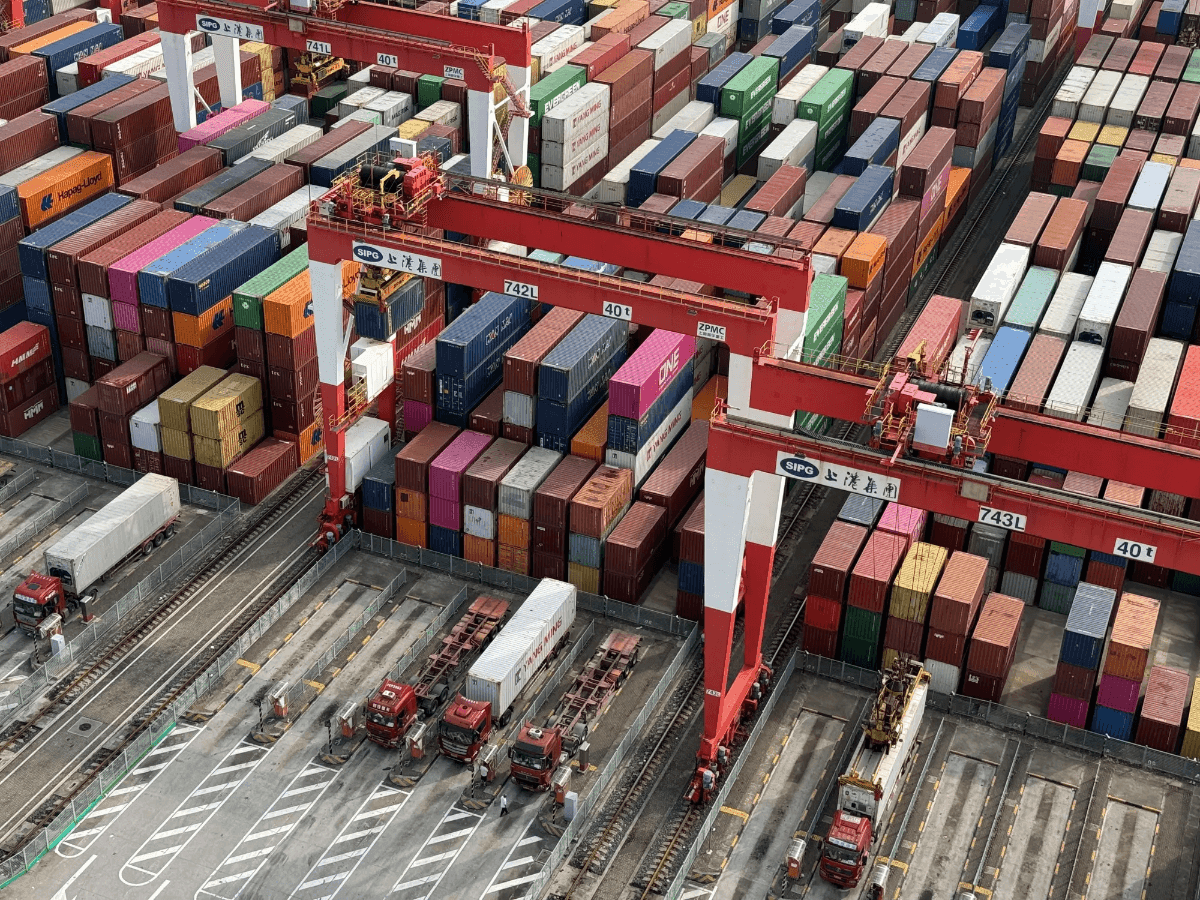
China has increasingly relied on export controls over the past five years, with the frequency of applications nearly tripling versus the previous five-year period. The shift underscores Beijing’s willingness to use leverage from the world’s second-largest economy within global supply chains, particularly as Chinese President Xi Jinping is scheduled to meet U.S. President Donald Trump in Beijing in May.
This month, Beijing published broad rules that allow authorities to sanction foreign companies for conducting in-depth assessments of Chinese suppliers. The rules also enable exit bans for individuals found to violate the framework.
Since 2020, China has increasingly used “geo-economic” controls—measures designed to pursue geopolitical objectives—according to the European Chamber of Commerce in China. These include 10 instances of using global bottlenecks in the supply chain, such as China’s rare earth exports, and 10 other instances using economic measures.
China has stepped up these tools in response to U.S. export controls on products including microchips. The peak came last year, when China imposed export controls on key minerals as pressure in the bilateral trade dispute.
Analysts note that China’s growing use of export controls also signals to other countries—including the United States—that Beijing is prepared to respond to efforts to restrict markets for Chinese goods or limit China’s access to inputs and technologies critical to industry.
China’s economic position remains closely tied to external demand. With a record trade surplus of $1.2 trillion last year, the country remains heavily dependent on net exports to support growth targets and offset weak domestic demand. This dependence persists even as China increases public investment in advanced industries to compete with the United States on technology leadership.
For years, China has worked to build a legal framework for trade countermeasures. In 2020, it issued an Export Control Law governing dual-use goods, alongside other laws covering foreign investment, trade, and countering foreign sanctions on Chinese goods.
Before these formal tools were established, China used informal measures, including cutting rare earth supplies to Japan in 2010 during a territorial dispute, and blocking imports from Australia after Canberra called for investigations into the coronavirus five years ago.
The latest tool—titled the Regulation of the State Council on Industrial and Supply Chain Security—took effect on March 31. Analysts describe it as among the strongest measures to date.
The regulation states that acts “harmful to the security of China’s industrial and supply chains” are illegal and provides for the possibility of exit bans for violators. Article 13 allows authorities to address individuals or organizations “engaged in activities related to gathering information about China’s industrial and supply chain.” Article 15 grants broad authority to investigate and impose sanctions on any foreign organization or individual that “disrupts normal transactions” with Chinese partners. Article 16 provides that for violations by individuals or organizations, authorities can “ban or restrict” exit.
These provisions are seen as giving China the ability to respond to U.S. rules, including Section 301 investigations by the U.S. Trade Representative (USTR) that aim to impose new tariffs on imports after Trump’s retaliatory tariffs were struck down by the U.S. Supreme Court.
Lawyers also point to last year’s sweeping “big, beautiful” act as including supply-chain restrictions on products from China.
Jens Eskelund, Chairman of the European Chamber of Commerce in China, said China needs some export-control tools due to “hard security” concerns and that Beijing’s worries about other countries “weaponizing trade” are understandable. However, he warned that using such measures risks a “race to the bottom.”
“We really need parties to step back, take a reasonable look at this issue, and ask whether this approach truly provides the best benefits for all,” Eskelund said. He added that China has an opportunity, given its role in the global supply chain, to show it can disagree with other countries without risking global prosperity.
Trade-compliance lawyer Dai Menghao of King & Wood Mallesons said Beijing wants a “fairly broad toolbox” to respond to a range of actions by foreign governments.






Premium gym chains are entering a “golden era” that is ending or already in decline, as rising operating costs collide with shifting consumer preferences toward more flexible, community-based ways to exercise. Long-term memberships are shrinking, margins are pressured by higher rents and facility expenses, and competition from smaller, more personalized…




