•
•
•
•
•
•
•
•
•
•
•
•
•
•
•
•
•
•
•
•
•
•
•
•
•
•
•
•
•
•
•
•
•


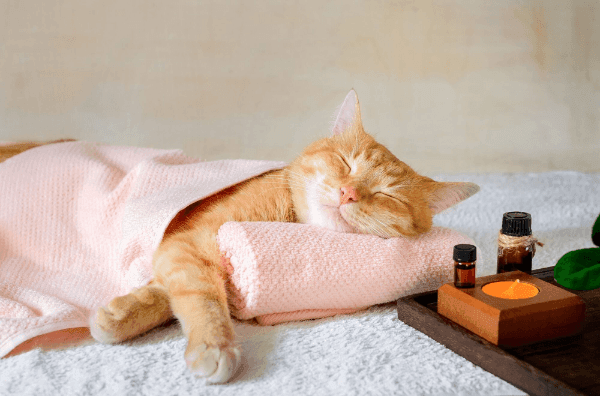
China’s pet-care market, valued at USD 40 billion, is shifting from basic care toward spending tied to emotional value and higher-end lifestyle amenities. Pets are increasingly viewed by younger generations as true family members, and more owners are seeking “wellness” services for them.
According to the 2025 China Pet Health White Paper, more than 12,000 veterinary hospitals nationwide have opened Traditional Chinese Medicine (TCM) departments, and about 36,000 pets receive acupuncture daily.
In 2024, the urban pet market for dogs and cats exceeded RMB 300.2 billion (about USD 41.1 billion), up 7.5% year-on-year, according to the 2025 White Paper on China’s Pet Industry by PetData.
Millennials (born after 1990) make up the largest share of pet-keeping consumers at 41.2%, followed by those born after 1980 (26.5%) and after 2000 (25.6%). A January 2026 survey by the Hongkou District Consumer Council in Shanghai found average monthly pet expenditures concentrated in the RMB 500–1,000 range (USD 70–140), with around 10% allocated to services.
The change is visible in new services and infrastructure. In May 2025, Shanghai launched its first pet-friendly transit line. The “dog kindergarten” model—where pets are dropped off during the day with a structured schedule while owners are at work, including grouping by personality—has also gained popularity.
In China’s pet health market, services are generally divided into two groups. The first includes licensed veterinary facilities where therapies such as massage or acupuncture are delivered as part of orthodox medical practice. The second consists of independent pet-care studios that focus on natural, non-invasive methods built on TCM foundations, offering therapies such as massage, moxibustion, and herbal care.
Jin Rishan, a TCM veterinarian in Shanghai, has been covered by Time, Bloomberg and BBC, but he notes the field remains young and that many methods are still under refinement.
Alongside the trend of “humanized” pets, there are counterpoints. Evy Guo, founder of SuYu—described as the first natural pet health care center in Shenzhen—told Jing Daily that many behavioral issues in pets do not originate from the animals themselves, but from owners misreading their needs. She said there are cases where owners’ emotional needs replace pets’ real needs.
Overall, the shift reflects a wider social consensus: pets are increasingly seen not only as animals, but as family, a mirror, and a conduit connecting people to their inner lives.





Premium gym chains are entering a “golden era” that is ending or already in decline, as rising operating costs collide with shifting consumer preferences toward more flexible, community-based ways to exercise. Long-term memberships are shrinking, margins are pressured by higher rents and facility expenses, and competition from smaller, more personalized…