•
•
•
•
•
•
•
•
•
•
•
•
•
•
•
•
•
•
•
•
•
•
•
•
•
•
•
•
•
•
•
•
•


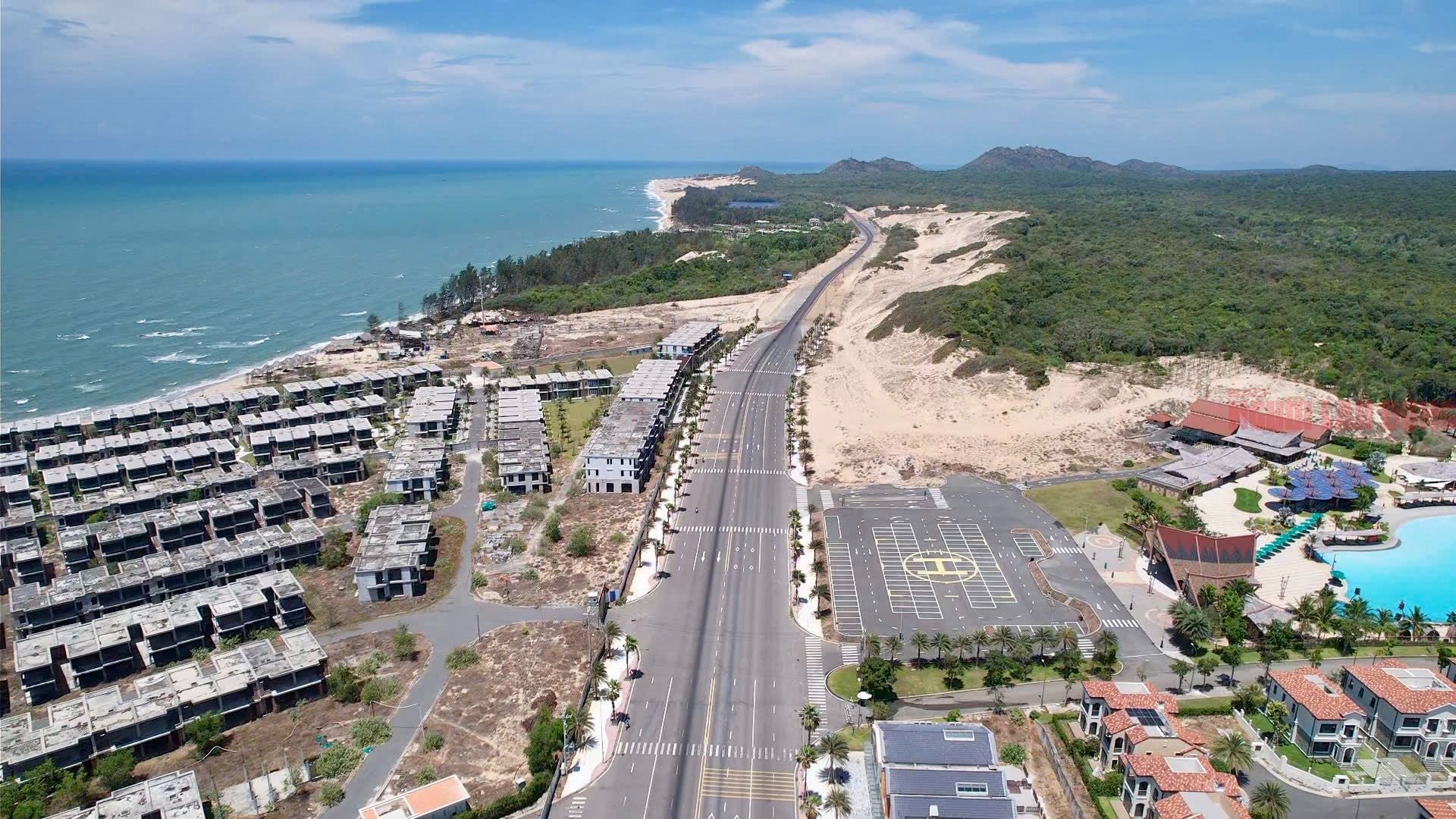
After nearly three years of construction, the coastal road expansion project, stretching nearly 77 km and linking Ho Chi Minh City with Lam Dong province, passing through several tourism hubs, is gradually taking shape. Under the scorching sun in early May, along the coastal road DT994 from Phước Thắng ward toward Bình Châu commune (Ho Chi Minh City), construction activity remains intense. This is the corridor connecting Ho Chi Minh City with Lam Dong (the area formerly Bình Thuận), passing through tourism hubs such as Long Hải, Phước Hải, Hồ Tràm, Bình Châu. After nearly three years of upgrading, the coastal road, nearly 77 km long, is changing its appearance day by day, opening a strategic transport axis connecting tourism and coastal economy in the southern region. The coastal road was built about 20 years ago. Facing increasing traffic and the demand for coastal tourism development, in mid-2023 the upgrade project for the entire route began with a scale of 6-8 lanes, with an investment of over 6.5 trillion dong. The standout highlight on the route is the viaduct over the Nước Ngọt pass, connecting Long Hải with Phước Hải. The structure is more than 500 meters long, winding along the mountainside, running parallel to the old road. To date, the deck has been paved. Not far away, Cầu Cửa Lấp 2 has been put into operation. The project length is over 700 meters, built parallel to the existing bridge to increase capacity at the eastern gateway of Ho Chi Minh City. Through Long Hải, the widened road creates a much more open traffic space than before. From the bridge, one side is green mountain slopes, the other side is the coastline with natural rocky beaches. Many residents and visitors have stopped to enjoy the view and take photos. According to the design, the viaduct was built to limit cutting into the mountains to widen the road, helping preserve the natural coastal landscape. Along Minh Đạm foothill, the new road opens up more space through Phước Hải. Many sections are designed to avoid dense residential areas and existing tourist areas to reduce traffic conflicts, while creating more land for coastal service development. Not far away, the Cửa Lấp 2 bridge has been put into operation. The bridge is over 700 meters long and is built parallel to the existing bridge to increase traffic capacity at the eastern gateway of Ho Chi Minh City. Moving toward Xuyên Mộc, the road passes through the Bình Châu - Phước Bửu forest area. This is considered an important connection as in the future it will connect to the Long Thành - Hồ Tràm expressway, creating a new connectivity axis between Ho Chi Minh City, Đồng Nai Province, and the southern central coast. From one old coastal road, DT994 is becoming a new driving force for the entire region. When completed, the road will not only shorten travel times but also expand the space for developing tourism, logistics, ports, and coastal industrial parks in the southern region.
Premium gym chains are entering a “golden era” that is ending or already in decline, as rising operating costs collide with shifting consumer preferences toward more flexible, community-based ways to exercise. Long-term memberships are shrinking, margins are pressured by higher rents and facility expenses, and competition from smaller, more personalized…