•
•
•
•
•
•
•
•
•
•
•
•
•
•
•
•
•
•
•
•
•
•
•
•
•
•
•
•
•
•
•
•
•
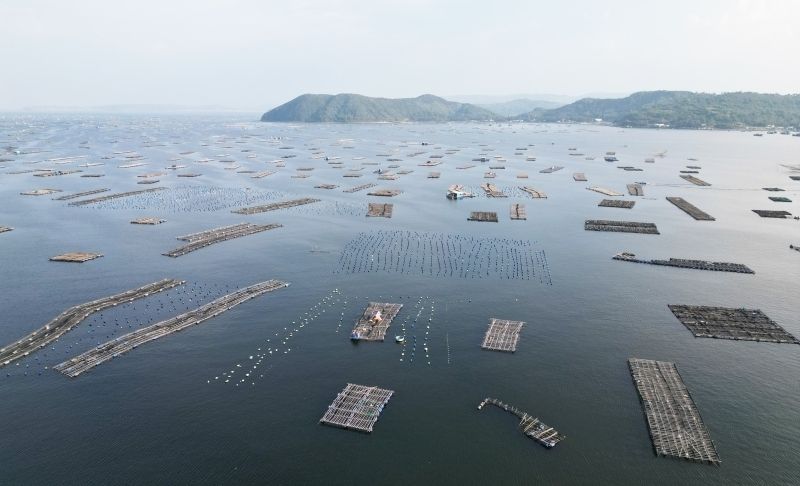
On 6 May 2025, the Ministry of Agriculture and Rural Development (MARD), led by Minister Trịnh Việt Hùng, chaired a meeting on the draft Law on Resources, Sea and Islands (amended). The meeting focused on accelerating the drafting process while ensuring quality.
The drafting unit reported that many sections of the draft law have been completed. The law has been included in the National Assembly’s 2026 legislative program. Under the proposed schedule, the draft will be submitted to the Standing Committee of the National Assembly at the August 2026 session, and then presented to the National Assembly for comments at the second session in October 2026.
To finalize the four major policy groups and address practical barriers, the draft law will be refined up to the time of National Assembly review. Input will be sought from National Assembly delegations, ministries, agencies, and affected stakeholders.
The bill will undergo review by the Government, be forwarded to National Assembly committees for appraisal, be posted on the National Legal Portal, and be updated in line with opinions from the Standing Committee of the National Assembly.
Minister Trịnh Việt Hùng said the drafting agency’s progress is broadly adequate, while stressing the need to complete the four major policy groups. He also emphasized that the law must clearly define the right of people to access the sea.
He proposed a generalized and inclusive approach to determining beneficiaries of sea access rights, drawing an analogy to the approach used in the Land Law, with the aim of ensuring clarity and ease of application.
The Minister highlighted the need to harmonize the draft law with other related statutes so that decrees and circulars can be prepared for immediate implementation. This is intended to ensure coherence across the legal system.
He also called for stronger coordination with ministries and sectors directly involved in marine resource exploitation, including industry and trade, oil and gas, electricity, logistics, and shipping. Feedback from business associations and ocean-related investors is to be solicited to support alignment with sector-specific laws.

Premium gym chains are entering a “golden era” that is ending or already in decline, as rising operating costs collide with shifting consumer preferences toward more flexible, community-based ways to exercise. Long-term memberships are shrinking, margins are pressured by higher rents and facility expenses, and competition from smaller, more personalized…