•
•
•
•
•
•
•
•
•
•
•
•
•
•
•
•
•
•
•
•
•
•
•
•
•
•
•
•
•
•
•
•
•


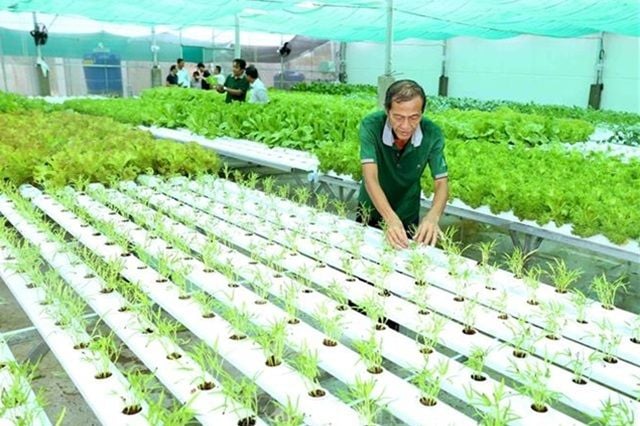
The European Union’s accelerated rollout of the European Green Deal is tightening requirements for imported agricultural products, including those shipped from Vietnam. The EU is moving to sharply lower pesticide residue limits and to harmonize standards between domestic and imported goods, driven by environmental standards and food-safety concerns.
Under the From Farm to Fork strategy, launched on May 20, 2020, the EU aims to build a sustainable food system that reduces negative environmental and climate impacts while preserving biodiversity. The strategy also targets reducing food waste, maintaining stable supply at affordable prices for consumers, and helping farmers secure fair prices, with the broader goal of strengthening the competitiveness of Europe’s agri-food system globally.
By 2030, the EU has set five main targets: a 50% reduction in the use and risk of chemical pesticides; a 50% reduction in nutrient losses while ensuring soil fertility; a 20% reduction in fertilizer use; a 50% reduction in sales of antibiotics to animals and in aquaculture; and 25% of agricultural land converted to organic farming.
Vietnam’s SPS Office notes that the EU continually updates its maximum residue limits (MRL) for pesticides. Many active substances have been lowered to extremely low thresholds, including levels as low as 0.001 mg/kg for certain substances such as oxamyl. The EU also prohibits substances banned in the EU from being reintroduced through imports.
Vietnam’s Ministry of Agriculture and Environment reports that the overall direction is to narrow residue thresholds and harmonize standards between domestic and imported products. This creates direct pressure on Vietnam’s key export sectors, including fruits, vegetables, coffee, tea, and pepper.
In addition to residue limits, EU rules require strict traceability across the production chain, plant health certificates, and compliance with sustainability and environmental standards.
Separately, the EU’s anti-deforestation regulation (EUDR) requires certain products—such as coffee, cocoa, and rubber—to demonstrate they are not linked to deforestation after 2020.
Experts cited in the article say the new rules are forcing exporters to shift from a production-focused model toward processing if they want to maintain market share in the EU.
At the same time, adaptation efforts have shown early results. EU food-safety violation alerts for Vietnamese agricultural products reportedly fell sharply from 64 cases in 2024 to 17 cases in 2025, suggesting that meeting EU requirements is feasible.
However, the article also highlights ongoing challenges: production costs are rising due to process changes; many farmers are not yet familiar with international standards; and supply chains are not fully synchronized, complicating quality control.
The article recommends that Vietnamese agriculture enterprises respond proactively rather than reactively to the increasingly dense “green fence.” It outlines five restructuring directions:
The article concludes that the EU’s “green fence” is not only a barrier but also a catalyst for restructuring Vietnam’s agriculture toward sustainability. In the long term, it argues that adapting to green standards can improve product quality and brand value, support expansion into high-end export markets, reduce risks of warnings or returns, and contribute to more sustainable agriculture.




Premium gym chains are entering a “golden era” that is ending or already in decline, as rising operating costs collide with shifting consumer preferences toward more flexible, community-based ways to exercise. Long-term memberships are shrinking, margins are pressured by higher rents and facility expenses, and competition from smaller, more personalized…