•
•
•
•
•
•
•
•
•
•
•
•
•
•
•
•
•
•
•
•
•
•
•
•
•
•
•
•
•
•
•
•
•


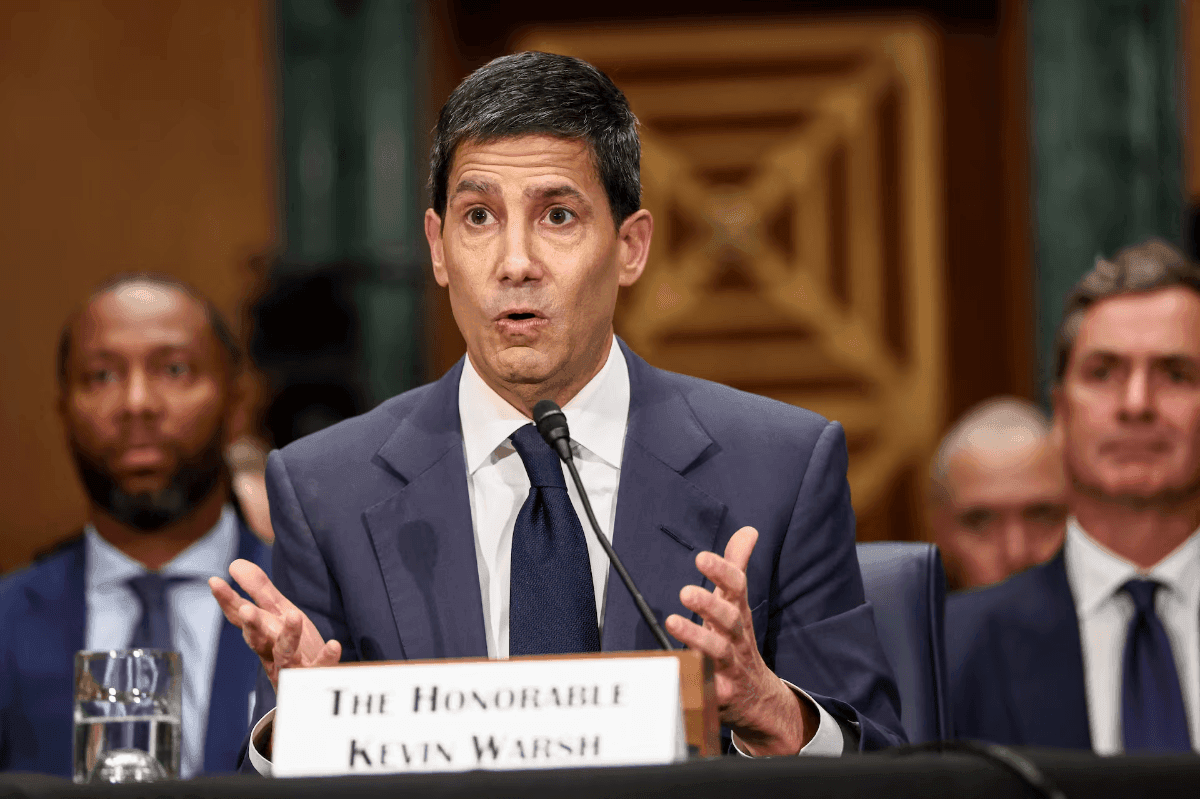
On April 21, Kevin Warsh, the U.S. Federal Reserve chair candidate, testified before the Senate Banking Committee as part of the confirmation process. During the hearing, he said he wants to preserve the Fed’s independence from White House pressure and outlined plans for broad reforms, according to Reuters.
Warsh, 56, said he has no commitment to cut interest rates with President Donald Trump. In conversations about the Fed job, he told lawmakers: “The President has never asked me to commit to cutting rates, and I have no intention to commit to such.”
Trump, who nominated Warsh, has repeatedly suggested that rates would be lower if Warsh is confirmed. Jerome Powell’s term as Fed chair ends in May 2026.
In a CNBC interview shortly before the hearing, Trump said he would be disappointed if rates do not fall after Warsh takes the role. Reuters reported that Warsh is likely to be confirmed, though the timing is unclear. Senator Thom Tillis said he would delay confirmation until the Trump administration completes a criminal inquiry into Powell related to the Fed’s headquarters renovation.
Warsh declined to comment on administration pressure on the Fed, including the Powell investigation and efforts to dismiss Fed Governor Lisa Cook, which are awaiting a U.S. Supreme Court ruling. He also declined to comment on Trump’s call to cut rates to 1%, a level typically associated with recession response, while the economy is growing and unemployment remains relatively low.
Much of the hearing focused on Warsh’s view of the Fed’s independence. Warsh, a former Fed governor from 2006 to 2011, said he does not believe monetary policy independence would be threatened when officials elected by the president, the Senate, or the House express their views.
He emphasized that monetary policy independence is essential, saying: “Congress has given the Fed the mandate to ensure price stability without any reason or justification... The Fed must be accountable for that. Low inflation is the Fed’s ‘armor.’”
Warsh avoided saying whether he would want to cut rates immediately, arguing that such a statement would be a signaling move he preferred to avoid. He said lower rates than the current level could be warranted due to technological changes from AI that raise productivity, a view shared by some current Fed officials, though not necessarily appropriate for a near-term cut.
The Fed has not reached its 2% inflation target for more than five years, initially due to the pandemic shock, supply-chain disruptions, and fiscal spending. More recently, U.S. inflation has remained persistent in part due to tariffs under the Trump administration and higher oil prices tied to the conflict in the Middle East.
Warsh said he does not think tariffs are driving inflation higher, a position not shared by most Fed policymakers.
Warsh also laid out his argument for “strong reform” at the Fed. He said that under Powell, the Fed made mistakes that contributed to the inflation surge after the Covid-19 pandemic, and that high prices continue to burden American households.
If confirmed, Warsh said he would move quickly to assess the impact of AI on employment and prices, and whether new data tools could provide a deeper view of inflation. He also said he would limit how much policymakers discuss the outlook for rates in public.
He argued the Fed needs to reform both its policy framework and its communication approach, saying policymakers should debate more in meetings and make fewer public comments before meetings. He criticized what he described as excessive public commentary by Fed officials about where rates should be, which he said could put him at odds with the presidents of the 12 regional Fed banks, who view frequent public commentary as part of their role.
Warsh indicated that if confirmed as Fed chair, he would carry out a plan to sell more than $100 million of assets under an agreement with the ethics watchdog. He did not provide details on the assets or who would buy them, saying only that the proceeds would be invested in “simple” assets.





Premium gym chains are entering a “golden era” that is ending or already in decline, as rising operating costs collide with shifting consumer preferences toward more flexible, community-based ways to exercise. Long-term memberships are shrinking, margins are pressured by higher rents and facility expenses, and competition from smaller, more personalized…