•
•
•
•
•
•
•
•
•
•
•
•
•
•
•
•
•
•
•
•
•
•
•
•
•
•
•
•
•
•
•
•
•


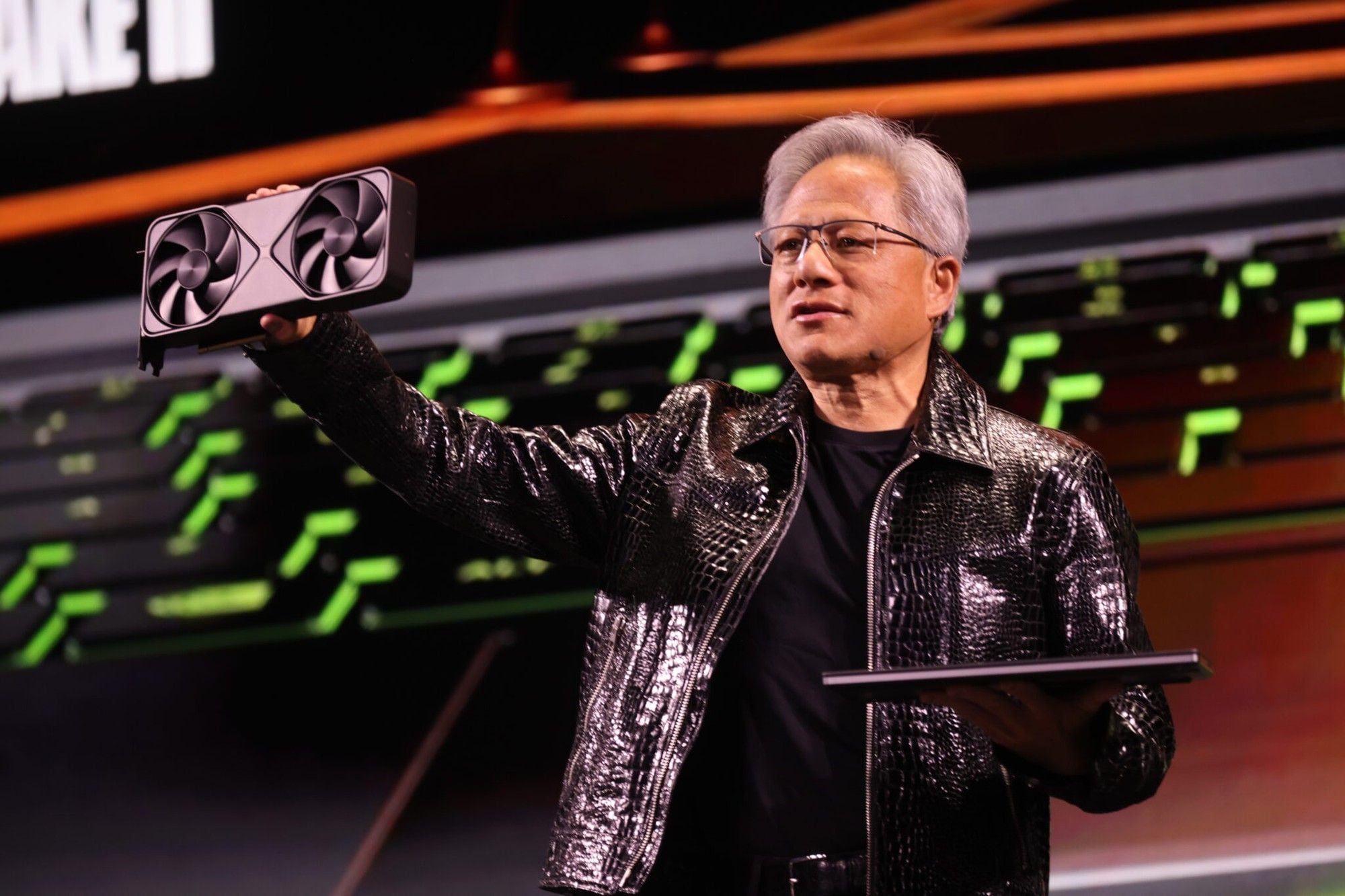
Jensen Huang, the co-founder, Chairman and CEO of Nvidia, has argued that one core field of study cannot be replaced by AI in the near future: engineering. Huang, born in 1963, has led Nvidia since 1993, helping the company grow into an AI chip and graphics technology business with a multitrillion-dollar value.
Huang’s path began with an early attraction to difficult math problems. He later studied electrical engineering at Oregon State University, where he became involved with IEEE, the professional organization for engineering, and met his life partner in the same lab.
In 1993, Huang co-founded Nvidia. At the time, he said he did not imagine the small company would reshape the technology industry and become central to an AI-driven industrial revolution.
Huang was recently awarded the IEEE Medal of Honor, described as the IEEE’s highest honor for breakthroughs in GPU development and for advancing AI.
Under Huang’s leadership, Nvidia has grown beyond a chip maker to become critical infrastructure for the global AI wave. The company’s technology is used across data centers, autonomous vehicles and generative AI models, reflecting its broad footprint in advanced technologies.
The article notes that Nvidia reached a multi-trillion-dollar valuation and became one of the world’s most valuable companies, positioning it as a symbol of the current technology era.
Amid rapid changes in jobs and workflows driven by AI, Huang maintains that engineering is a discipline that remains essential. He argues that engineers drive technological progress by translating ideas into reality and solving complex problems using logic and perseverance.
“This is the noblest profession in the truest sense. They are the bricks that form the foundation of modern society,” Huang said in a recent interview.
Huang frames engineering not only as a field, but as a process of thinking. He describes it as applying scientific and mathematical principles to analyze problems, breaking large challenges into solvable parts, and iterating toward solutions.
In his view, this is why engineering roles evolve rather than disappear, even as AI automates many tasks. The human role remains decisive in defining problems and choosing the right direction.
Huang’s message for a changing job market is that fields tied to fundamental thinking—especially engineering—will stay central. In the AI era, he says, the need for people who can solve problems continues, and engineering remains, in his view, unmatched in doing so.
Source: Fast Company









Premium gym chains are entering a “golden era” that is ending or already in decline, as rising operating costs collide with shifting consumer preferences toward more flexible, community-based ways to exercise. Long-term memberships are shrinking, margins are pressured by higher rents and facility expenses, and competition from smaller, more personalized…


