•
•
•
•
•
•
•
•
•
•
•
•
•
•
•
•
•
•
•
•
•
•
•
•
•
•
•
•
•
•
•
•
•


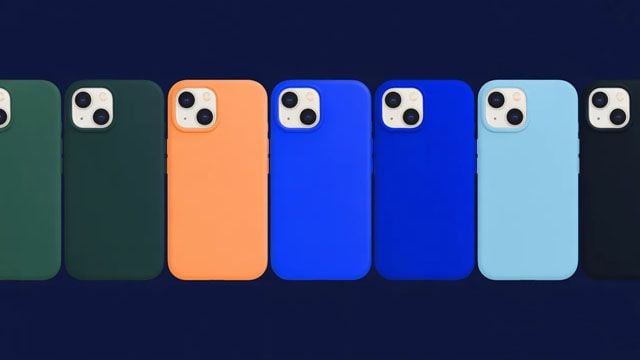
John Ternus will take over as Apple’s CEO on Sept. 1, inheriting a set of major challenges spanning artificial intelligence strategy, regulatory pressure, manufacturing shifts, and the need to keep evolving its product lineup.
Tim Cook named Ternus as his successor on Monday. Ternus currently serves as Apple’s senior vice president of hardware engineering until Sept. 1, when Cook will transition to executive chairman of Apple’s board of directors.
Cook’s tenure as CEO began in 2011 and included the launch of products such as the Apple Watch, AirPods and AirTag. Under Cook, Apple expanded its services business, including Apple TV, Apple Music and Apple Fitness Plus, as consumers kept devices longer. Apple became a trillion-dollar company in 2018 and reached 4 trillion in October.
Ternus began working at Apple in 2001 on the product design team. He became vice president of hardware engineering in 2013 and was promoted to senior vice president in 2021.
Unlike Cook’s earlier focus on logistics and supply chain management, Ternus has spent much of his career in product and hardware engineering. The article cites his work on products including the iPhone, iPad, Apple Watch, AirPods and the MacBook. Before Apple, he worked as a mechanical engineer at Virtual Research Systems and holds a bachelor’s degree in mechanical engineering from the University of Pennsylvania.
Cook described Ternus as “the mind of an engineer, the soul of an innovator and the heart to lead with integrity and with honor,” adding that his contributions over 25 years were “too numerous to count.”
Apple also said Ternus led materials and hardware design innovations, including a recycled aluminum compound and 3D-printed titanium in the Apple Watch Ultra 3. Bloomberg is cited in the article for Ternus leading development of the AirPods and Apple’s first 5G phones, as well as helping transition the Mac from Intel processors to Apple silicon. The article also says he led hardware engineering for the first iPad and spearheaded efforts to add new models to Apple’s lineup.
One of Apple’s biggest near-term challenges is navigating its early AI efforts. Apple Intelligence on iPhone, iPad and Mac can handle tasks such as AI-powered text and photo editing, visual search and notification summaries, as well as generating images and emoji.
The article contrasts Apple’s approach with AI tools from companies including Google, OpenAI and Microsoft, which it says can analyze large volumes of documents, generate extensive text and complete tasks through chat interfaces. It also notes that the updated Siri Apple promised in 2024 has yet to appear due to delays.
IDC Vice President of Client Devices Francisco Jeronimo said in a statement that Ternus is the right successor, but that the key question is whether the transition brings the decisiveness the AI era requires. Jeronimo added that Apple’s next decade will depend less on hardware perfection and more on whether the company can build a strong AI platform and ecosystem strategy before competitors consolidate their positions.
Apple also faces regulatory scrutiny, with the US Department of Justice and the European Union pursuing the company’s “walled garden” business model and accusing it of violating antitrust laws. Apple has refuted those claims.
The article says Apple’s ecosystem is central to both the company’s business and user loyalty, and that Ternus will need to lead efforts to protect that ecosystem while navigating external legal and regulatory pressures.
Manufacturing is another area in transition. Apple has been shifting production from China to India and Vietnam, particularly as the Trump administration imposes high tariffs on Chinese goods. The article states that all iPhone 17 models were reportedly made in India.
While Apple has said it plans to boost production in the US, the article characterizes relocating and diversifying manufacturing as a long-term effort that will now fall under Ternus’s control.
High-stakes pressure also comes from the need to build on Apple’s legacy and evolve its product lineup as the company celebrates its 50th anniversary. The article notes that despite Cook’s services push, Apple remains primarily a tangible-products company, and it cites critics who say the company has shown signs of stagnation in recent years.
It points to the Vision Pro as an example of an ambitious project that has not reached mainstream adoption, largely due to its $3,500 price tag and unclear use cases for many consumers. The article says the device was expected to pave the way for cheaper models, but those have yet to appear.
On the other hand, the article highlights expectations for a rumored foldable iPhone, which it says could strengthen Apple’s design reputation. It also references the ultra-slim iPhone Air as a recent example of Apple’s design focus, and notes that if a foldable iPhone launches this fall, it would be a major start to Ternus’s tenure.
Ternus has months before the full scope of responsibilities takes effect, and Cook’s move to executive chairman means he will remain available to prepare and guide the transition. On Sept. 1, Apple begins its next chapter under Ternus.





Premium gym chains are entering a “golden era” that is ending or already in decline, as rising operating costs collide with shifting consumer preferences toward more flexible, community-based ways to exercise. Long-term memberships are shrinking, margins are pressured by higher rents and facility expenses, and competition from smaller, more personalized…