•
•
•
•
•
•
•
•
•
•
•
•
•
•
•
•
•
•
•
•
•
•
•
•
•
•
•
•
•
•
•
•
•


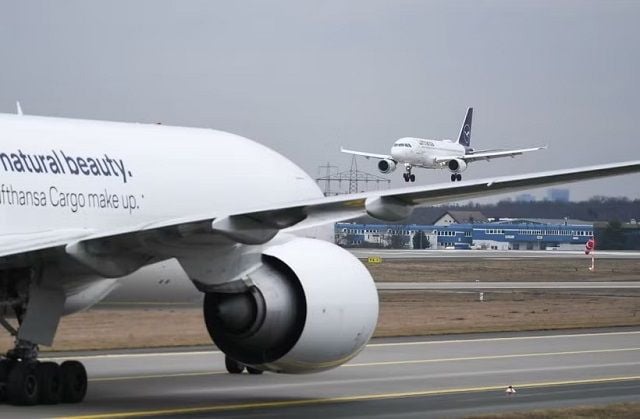
The Middle East conflict is rapidly spreading to the aviation sector as fuel prices surge, forcing airlines to contend with rising costs, the risk of flight reductions, and mounting losses. British low-cost carrier EasyJet said its pretax loss for the first half of its financial year is expected to widen sharply to about 540-560 million pounds ($730-760 million), up from 394 million pounds ($534 million) a year earlier. In March alone, the airline's fuel costs rose by about 25 million pounds ($34 million) due to escalating tensions in the Middle East. The airline also warned that the conflict has created short-term uncertainty for both fuel costs and passenger demand. In Asia, Korean airlines said they would apply the highest fuel surcharges in May as global oil prices jumped. The surcharges for one-way international trips could reach 75,000-564,000 won ($50-$564) depending on the leg, an increase of up to 86% on long-haul routes versus the previous month. This marks the first time the maximum surcharge has been applied since the mechanism was introduced in 2016. The Middle East conflict is a major shock to the global aviation industry. The outlook for the aviation industry darkens further as Fatih Birol, head of the International Energy Agency, warns Europe may have only about six weeks of aircraft fuel reserves left. If the Hormuz Strait—a global energy chokepoint—continues to be disrupted, airlines may soon be forced to cancel flights due to fuel shortages. Birol said this could be the largest energy crisis ever faced, with consequences including higher prices for gasoline, natural gas, and electricity globally. Asian economies dependent on Middle Eastern energy, such as Japan, South Korea, India, and China, would be the first to feel the effects, before the impact spreads to Europe and the Americas. Not only aviation, the conflict is also adding pressure to other sectors. British retailer Tesco warned that profits could be hurt by higher food costs, at a time when energy and fertilizer prices are rising. Although net profit for the latest financial year rose nearly 10% to 1.79 billion pounds ($2.42 billion), the company says the near-term outlook will depend heavily on how the conflict unfolds and its duration. In the energy sector, TotalEnergies of France said it maintained steady output in Q1 2026, despite about 15% of production being disrupted by the hostilities. The company offset this by increasing output in Brazil and Libya and by lifting LNG production by 10% versus the prior quarter. Brent crude rose from below $70 per barrel to above $100 in March, a development expected to support cash flow and profits for the group. Market volatility has also sparked controversy, with reports that TotalEnergies earned more than $1 billion from buying oil that did not transit via the Hormuz Strait. The company did not confirm the figure but said ensuring supply for customers remains a priority. Conversely, some sectors have continued to grow on long-term trends. Taiwan Semiconductor Manufacturing Co. (TSMC) reported Q1 net income rising 58% to a record $18.1 billion, driven by strong demand from the AI sector. The company also warns that supply-chain costs could rise and that the risk of disruption to rare gases such as helium used in chip production exists due to the conflict. The IMF also warned that if the conflict persists and oil remains high, the global economy could face multiple challenges, particularly inflation spreading to food prices due to higher fertilizer costs. Overall, the Middle East conflict is creating a global ripple effect across aviation, energy, retail, and technology, increasing uncertainty over growth and inflation in the coming period.







Premium gym chains are entering a “golden era” that is ending or already in decline, as rising operating costs collide with shifting consumer preferences toward more flexible, community-based ways to exercise. Long-term memberships are shrinking, margins are pressured by higher rents and facility expenses, and competition from smaller, more personalized…




