•
•
•
•
•
•
•
•
•
•
•
•
•
•
•
•
•
•
•
•
•
•
•
•
•
•
•
•
•
•
•
•
•


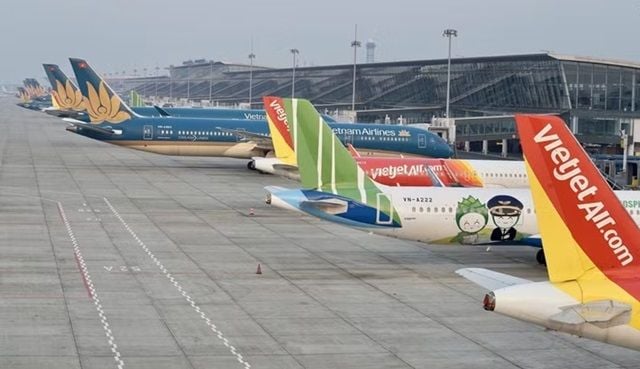
Fuel shortages are expected to push up airfares this summer as global aviation fuel supply tightens. According to data from the U.S. Travel Association, airfares in March rose 14.9% year over year, with the main driver being disruptions in the Hormuz Strait.
Air travel costs are expected to become more expensive this summer as global shortages of jet fuel push ticket prices higher and force airlines to cut thousands of flights. Since the Iran conflict escalated, aviation fuel prices have surged by more than 100%.
Data from investment bank JPMorgan indicates that blocking the strategic maritime chokepoint has pulled more than 13 million barrels of crude oil from the market. The shortfall in crude oil directly pressures refiners that process crude into refined products such as gasoline, diesel, and aviation fuel.
Patrick De Haan, a GasBuddy analyst, said that as refinery runs tighten globally, aviation fuel is usually the first product to feel the impact. Among the three main refined products, aviation fuel accounts for the smallest share, behind gasoline and diesel.
As a result, refineries often prioritize gasoline and diesel due to the essential roles these fuels play in key economic sectors such as freight transport and agriculture.







Premium gym chains are entering a “golden era” that is ending or already in decline, as rising operating costs collide with shifting consumer preferences toward more flexible, community-based ways to exercise. Long-term memberships are shrinking, margins are pressured by higher rents and facility expenses, and competition from smaller, more personalized…



